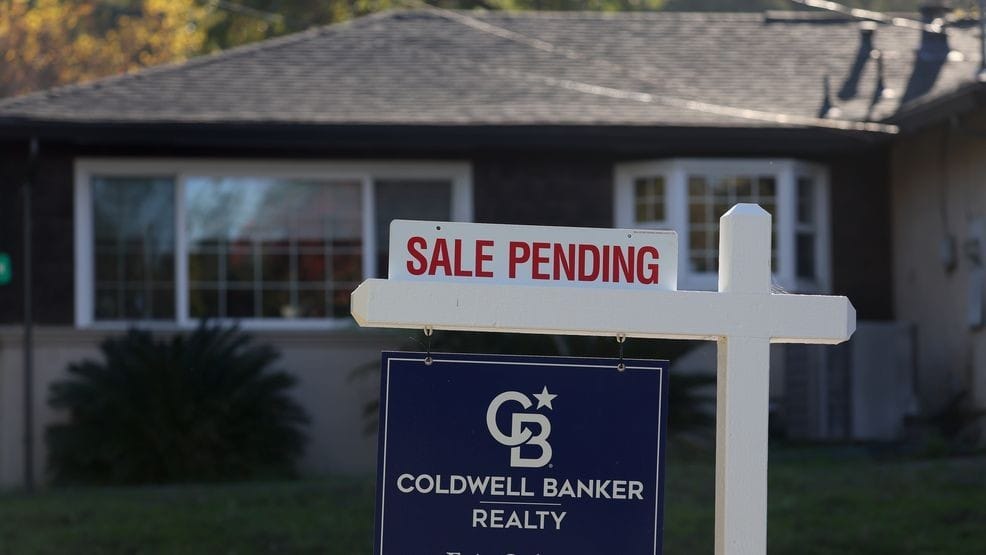
In a world where the real estate industry is often seen as an accessible career path, the question arises: Is it too easy to become a real estate agent? According to a recent article by Atlanta Agent Magazine, the barriers to entry in this field are surprisingly low, allowing individuals from diverse backgrounds to step into the profession with minimal training.
Many states require little more than a course and a licensing exam to start selling houses. This ease of entry makes real estate a uniquely egalitarian industry, where a high school dropout might find as much success as an Ivy League graduate. However, this accessibility also means that many new agents may lack the necessary training and mentorship, potentially leading to inadequacies that could harm clients.
Challenges and Opportunities
The article highlights that while the process of becoming a real estate agent is relatively inexpensive and quick, it often results in a steady influx of newcomers who may not be fully prepared. Kevin Fruh, owner and broker at Fruh Realty, notes that this is both the greatest strength and weakness of the real estate industry.
Sonia Gilbukh, assistant professor of real estate at the City University of New York, points out that the cost and time commitment to become a licensed agent is significantly less than other professions, such as hairstyling, which requires more extensive training. This discrepancy raises concerns about the preparedness of agents handling substantial financial transactions.
Improving Preparedness
To address these concerns, some industry professionals suggest implementing mandatory mentorship and ongoing training. Aliyah Gary, broker at iCare Realty, has developed a program called APEX, which aims to better prepare new agents for the realities of the business through role-playing and transaction simulations.
In a survey conducted by Atlanta Agent, 72% of respondents felt that the licensing process did not adequately prepare them for a career in real estate. Many advocated for an apprenticeship model similar to that of home inspectors, emphasizing the importance of guidance and support in handling large financial transactions.
The Impact on Industry and Consumers
The lack of preparation among new agents can negatively affect the reputation of the industry and lead to subpar consumer experiences. Experienced agents, like Mary Gillach, express concerns that underqualified agents may not provide the best service, leading to failed deals and dissatisfied clients.
In a fast-paced market, consumers often rely on experienced agents to navigate competitive situations. However, sellers may underestimate the importance of agent expertise, opting for personal connections over professional qualifications. Sonia Gilbukh notes that inexperienced agents often deliver worse outcomes for sellers, particularly in challenging markets.
The Role of Mentorship
Mentorship plays a crucial role in developing competent real estate agents. Kevin Fruh credits his success to the guidance of a mentor who taught him the intricacies of the business. He now seeks to pass on this knowledge to new agents in his brokerage, emphasizing a relationship-based approach to real estate.
As the industry continues to evolve, the importance of mentorship and ongoing education cannot be overstated. In the words of Thompson, “Inexperienced people focus on the transaction; experienced people focus on the relationship.” This focus on building lasting relationships is key to long-term success in real estate.
More Articles
Getting licensed or staying ahead in your career can be a journey—but it doesn’t have to be overwhelming. Grab your favorite coffee or tea, take a moment to relax, and browse through our articles. Whether you’re just starting out or renewing your expertise, we’ve got tips, insights, and advice to keep you moving forward. Here’s to your success—one sip and one step at a time!
Many Floridians are discovering after major hurricanes that what they assumed was covered by their insurance simply isn’t. With more than 100,000 claims denied or closed without payment and widespread confusion over gaps like flood versus hurricane coverage, experts warn that the fine print can hit harder than the storm itself. As premiums rise and policies grow more complex, understanding what’s actually protected has become essential for homeowners and real estate professionals alike.
A new report from Zillow shows the U.S. just experienced its strongest October housing market since 2021, with inventory rising, affordability improving, and both new listings and pending sales up 5% year-over-year. Nineteen major markets now favor buyers—nine more than last year—as mortgage rates ease, inventory rebounds, and home values level off. For real estate professionals, especially in Florida, these shifts signal a market gaining momentum heading into 2025 and beyond.
Commercial real estate is heading into 2026 with major shifts in policy, technology, investment flows, and market fundamentals. From tightening capital sources and AI-driven decision-making to nationwide housing shortages and a looming wave of maturing debt, professionals across real estate, finance, insurance, and development must adapt quickly. These trends will shape opportunities, risks, and required skills in the year ahead—making strategic education and licensing upgrades more important than ever.
A major cyberattack on real‑estate data giant SitusAMC has triggered emergency responses across Wall Street, exposing sensitive loan records and legal documents tied to major banks like JPMorgan and Citigroup. While operations have been restored, the breach highlights critical weaknesses in third‑party vendors that support the nation’s real‑estate and mortgage infrastructure. Federal investigators and financial institutions are now racing to assess the fallout as experts warn of long‑term risks to the digital systems underpinning multi‑trillion‑dollar lending markets.
Australia’s commercial real estate sector is undergoing a major long‑term shift driven by hybrid work, booming logistics demand, sustainability priorities and evolving global capital flows. With the market projected to grow from USD 11.96 billion in 2024 to USD 21.03 billion by 2033, the biggest opportunities are emerging in industrial assets, ESG‑certified buildings, flexible workspaces and adaptive reuse projects. These trends echo changes developing in the U.S.—including Florida—making Australia a valuable case study for professionals watching the future of commercial real estate.
A new wave of chat‑driven AI tools is transforming how agents market properties by letting them edit listing photos simply by describing what they want changed. From removing clutter to adjusting lighting or staging entire rooms, professionals can now showcase a unit’s full potential long before it’s camera‑ready. This technology boosts efficiency for property managers, enhances buyer engagement through interactive visuals, and underscores the importance of transparency as AI becomes a core part of real estate marketing.