In a world where the real estate industry is often seen as an accessible career path, the question arises: Is it too easy to become a real estate agent? According to a recent article by Atlanta Agent Magazine, the barriers to entry in this field are surprisingly low, allowing individuals from diverse backgrounds to step into the profession with minimal training.
Many states require little more than a course and a licensing exam to start selling houses. This ease of entry makes real estate a uniquely egalitarian industry, where a high school dropout might find as much success as an Ivy League graduate. However, this accessibility also means that many new agents may lack the necessary training and mentorship, potentially leading to inadequacies that could harm clients.
Challenges and Opportunities
The article highlights that while the process of becoming a real estate agent is relatively inexpensive and quick, it often results in a steady influx of newcomers who may not be fully prepared. Kevin Fruh, owner and broker at Fruh Realty, notes that this is both the greatest strength and weakness of the real estate industry.
Sonia Gilbukh, assistant professor of real estate at the City University of New York, points out that the cost and time commitment to become a licensed agent is significantly less than other professions, such as hairstyling, which requires more extensive training. This discrepancy raises concerns about the preparedness of agents handling substantial financial transactions.
Improving Preparedness
To address these concerns, some industry professionals suggest implementing mandatory mentorship and ongoing training. Aliyah Gary, broker at iCare Realty, has developed a program called APEX, which aims to better prepare new agents for the realities of the business through role-playing and transaction simulations.
In a survey conducted by Atlanta Agent, 72% of respondents felt that the licensing process did not adequately prepare them for a career in real estate. Many advocated for an apprenticeship model similar to that of home inspectors, emphasizing the importance of guidance and support in handling large financial transactions.
The Impact on Industry and Consumers
The lack of preparation among new agents can negatively affect the reputation of the industry and lead to subpar consumer experiences. Experienced agents, like Mary Gillach, express concerns that underqualified agents may not provide the best service, leading to failed deals and dissatisfied clients.
In a fast-paced market, consumers often rely on experienced agents to navigate competitive situations. However, sellers may underestimate the importance of agent expertise, opting for personal connections over professional qualifications. Sonia Gilbukh notes that inexperienced agents often deliver worse outcomes for sellers, particularly in challenging markets.
The Role of Mentorship
Mentorship plays a crucial role in developing competent real estate agents. Kevin Fruh credits his success to the guidance of a mentor who taught him the intricacies of the business. He now seeks to pass on this knowledge to new agents in his brokerage, emphasizing a relationship-based approach to real estate.
As the industry continues to evolve, the importance of mentorship and ongoing education cannot be overstated. In the words of Thompson, “Inexperienced people focus on the transaction; experienced people focus on the relationship.” This focus on building lasting relationships is key to long-term success in real estate.
More Articles
Getting licensed or staying ahead in your career can be a journey—but it doesn’t have to be overwhelming. Grab your favorite coffee or tea, take a moment to relax, and browse through our articles. Whether you’re just starting out or renewing your expertise, we’ve got tips, insights, and advice to keep you moving forward. Here’s to your success—one sip and one step at a time!
A federal judge has denied class‑certification in the high‑stakes Batton commission lawsuit, delivering a temporary win for NAR and major brokerages while leaving the door open for plaintiffs to try again. With as much as $3.6 billion in potential damages on the line and nearly 80% of the proposed class now disqualified due to conflicts with earlier settlements, the case stands at a pivotal moment. Real estate professionals nationwide — especially in Florida — should watch closely, as the ruling could shape the future of buyer‑agent compensation.
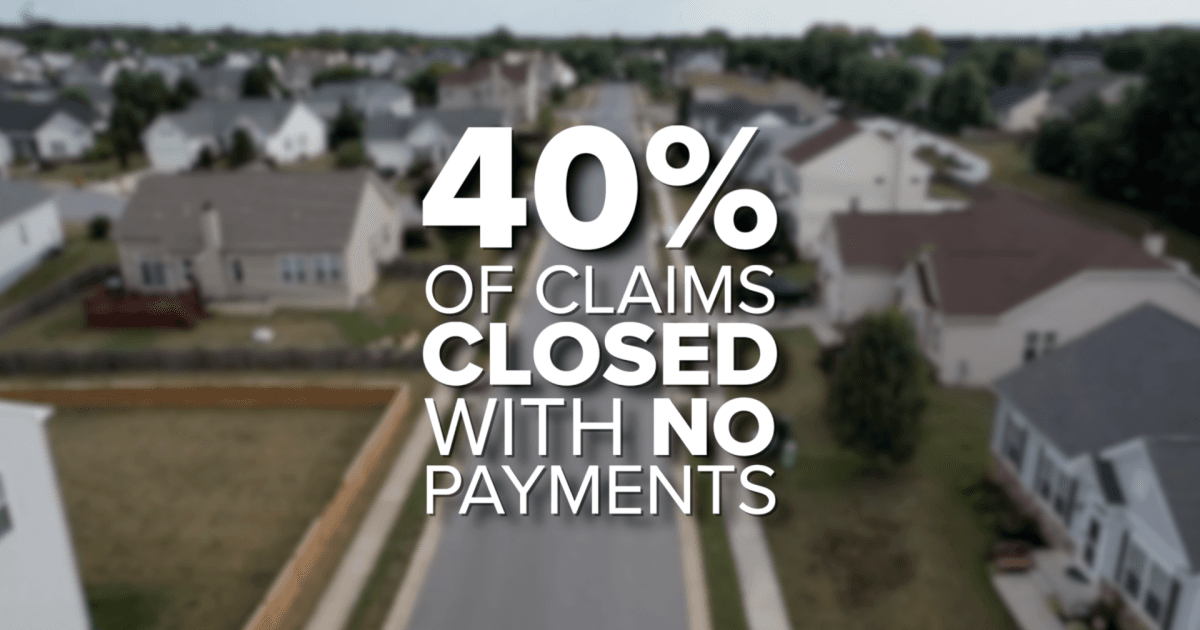
Florida homeowners are paying nearly double the national average for insurance, with premiums now reaching $5,838 a year and denied claims topping 40 percent. Residents report tripled rates, underpaid claims, and mounting financial strain, pushing lawmakers in Tallahassee to propose caps on rate hikes, tax breaks for storm‑proof upgrades, and tighter oversight of insurers. These developments are reshaping real estate and insurance conversations across the state as professionals brace for major industry shifts.
Berkshire County closed Q3 2025 with strong momentum as sales, dollar volume, and buyer competition all climbed year‑over‑year. Inventory showed slight improvement but remains far below demand, keeping the market tilted toward sellers. Single‑family homes and condos led the surge, while multifamily, land, and commercial sectors showed mixed performance. The region continues to stand out as one of New England’s most resilient real estate markets heading into 2026.
Florida homeowners now face the highest insurance burdens in the nation, with average premiums topping $5,800 per year—roughly $3,000 above the national average. As rates triple for some residents, more Floridians are skipping coverage altogether, while denied claims and slow payouts add to the frustration. With over 40 percent of claims closing with no payment and lawmakers battling over reform in Tallahassee, the crisis is reshaping budgets, homebuying decisions, and the real estate industry statewide.
Global capital is surging back into real estate—and this time, investors want more control. Colliers’ 2026 Global Investor Outlook reveals a major shift toward direct investments, joint ventures, and hands‑on strategies as money moves across North America, Europe, and the booming Asia‑Pacific markets. Data centers are now the top‑funded asset class, offices are staging a comeback, and adaptive reuse is reshaping cities worldwide. For real estate and finance professionals, the message is clear: opportunity is accelerating, and those with the right education and licensing will be at the center of the action.
The Fed’s recent rate cuts should have offered relief to commercial real estate—but long-term borrowing costs haven’t budged. While short‑term rates are falling, stubborn long‑term yields, broken deal math, and a trillion‑dollar refinancing wave are keeping the market frozen. For investors and professionals across Florida and the nation, understanding this disconnect is key to navigating the opportunities and risks emerging in today’s shifting CRE landscape.