Is Now a Good Time to Buy a House? A Deep Dive Into Today’s Surprising Housing Market

Victorian brick home with front porch and yard

Mortgage rates are easing, inventory is rising, and buyers finally have leverage — but record-high prices and an uneasy economy keep many on the sidelines.

If you’ve been waiting for the housing market to finally make sense again, you’re definitely not alone. After a sluggish spring and summer, the same cooled‑off trends are stretching into fall. Mortgage rates have dipped from their highest peaks, yet elevated home values and a shaky economic outlook continue to keep many buyers cautious.

This week, Redfin dropped one of their most eye‑opening analyses yet. According to their featured report, the answer to whether it’s a good time to buy ultimately depends on you — your finances, stability, future plans, and willingness to navigate an unpredictable economy.

What Economists Are Saying

Redfin’s Chief Economist, Daryl Fairweather, didn’t hold back in her latest commentary:

“Nationally, now is a good time to buy — if you can afford it. Prices keep climbing, but with lower mortgage rates and more inventory, buyers have the upper hand.”

Her point is clear: opportunity exists, but the experience varies dramatically from city to city.

Home Prices Are High — and Still Rising

The median U.S. sale price is now $440,000, up 1.2% from last year and a staggering 32% higher than just five years ago. Many sellers are realizing that the era of ultra‑premium pricing is fading — and some are even pulling listings after failing to get their dream numbers.

Mortgage Rates: Lower, Yet Volatile

As of November 13th, the average 30‑year fixed mortgage rate is sitting at 6.34%. Not amazing — but far from the brutal spikes we saw earlier.

Redfin’s Head of Economic Research, Chen Zhao, adds an important caution:

“Rates are still relatively low, but economic uncertainty means buyers should expect them to remain unsteady for the foreseeable future.”

The consensus? Expect a 6%–7% range, which can dramatically change monthly affordability.

Welcome to a Buyer’s Market

For the first time in years, buyers have leverage again. Inventory is rising — particularly in Southern states like Florida and Texas — with over two million homes now on the market. More options, more negotiation power, and fewer bidding wars.

But Demand Is Near Record Lows

Even with increased inventory, demand is sluggish due to high prices and economic uncertainty. Younger buyers and first‑timers are especially stretched — entering the market older, leaning on family support, and navigating intense financial pressure.

Still, affordable Midwest markets like Detroit and Dayton remain fiercely competitive.

Inflation’s Upswing Could Change Everything

Economists warn that rising inflation could push mortgage rates higher again — and fast. That means buyers who wait too long may miss favorable conditions.

How to Buy Smart in an Uncertain Economy

Experts suggest focusing on:

  • Your true financial comfort zone
  • Negotiating — concessions, fees, rates, everything
  • Comparing lenders and asking about “float‑down” options
  • Selling before buying when possible

Are You Personally Ready to Buy?

Market timing matters, but personal readiness matters more. Consider:

  • Your emergency fund strength
  • Job and income stability
  • Future location plans
  • Your comfort with maintenance, insurance, and property taxes

So… Is Now a Good Time to Buy?

If your finances are stable and you plan to stay in a home for several years, yes — now might be the ideal time.

Inventory is high, competition low, and mortgage rates (while imperfect) are friendlier than the highs of recent years. Waiting for rates to fall may create a stampede of competition — which often pushes prices even higher.

Redfin’s advice? Get prepared now, get preapproved, and be ready to move when the right opportunity appears.

How Cameron Academy Fits In

For Florida professionals — or aspiring ones — this shifting market is a powerful opportunity. Whether you’re analyzing trends for clients or considering a career pivot, understanding how markets move can completely reshape your earning potential.

At Cameron Academy, we offer flexible, affordable licensing and continuing education courses for real estate professionals, mortgage specialists, insurance agents, and more. Thousands of students across Florida trust us to elevate their careers and stay ahead of industry changes.

Explore courses, expand your expertise, and advance your professional journey with Cameron Academy today.


More Articles

Getting licensed or staying ahead in your career can be a journey—but it doesn’t have to be overwhelming. Grab your favorite coffee or tea, take a moment to relax, and browse through our articles. Whether you’re just starting out or renewing your expertise, we’ve got tips, insights, and advice to keep you moving forward. Here’s to your success—one sip and one step at a time!

Why Today’s High Mortgage Rates Matter More Than Ever for the Housing Market

A growing share of American homeowners now carry mortgage rates above 5%—a dramatic shift that’s reshaping refinancing, inventory, and buyer behavior nationwide. With more than 30% of borrowers locked into rates over 5% and 20% above 6%, the market is split between owners holding on to low pandemic‑era loans and new buyers taking on higher‑rate mortgages. Federal efforts to push rates down could unlock millions of refinancing opportunities, while buyers see only modest monthly savings. For real estate professionals, understanding these rate dynamics is crucial as they increasingly drive inventory levels, affordability, and market activity.

CRE Deal Volume Dips in December, but Office Sector Stages an Unexpected Comeback

New Moody’s data shows commercial real estate deal volume slipped 20% in December, marking a second monthly decline. Yet the full year tells a different story: 2025 ended with a 17% gain, signaling a quiet but resilient recovery. The biggest surprise came from the office sector, which posted a 21% jump in activity as return‑to‑office trends and AI‑driven job growth boosted demand. Multifamily, retail, and alternative assets like data centers also saw strong momentum, giving real estate professionals a market full of fresh opportunities heading into 2026.

Florida Kicks Off 2026 With Major Auto Insurance Rate Cuts and Market Stability

Florida drivers and industry professionals are heading into 2026 with good news: auto insurance rates are dropping across the state as the market shows strong signs of stabilization. USAA leads the latest wave with a 7% average rate decrease expected in May 2026, saving members more than $125 million annually. They join several major insurers — including State Farm, Progressive, AAA, Allstate, and Florida Farm Bureau — all approving significant reductions. Officials credit recent legislative reforms, especially tort reform, for the improved loss ratios and renewed insurer confidence. With both auto and home insurance markets strengthening, Florida’s real estate, mortgage, and insurance professionals can expect more consumer confidence, smoother transactions, and expanding career opportunities.

The 2024 Housing Shortage: Why America Is Still 1.2 Million Homes Behind

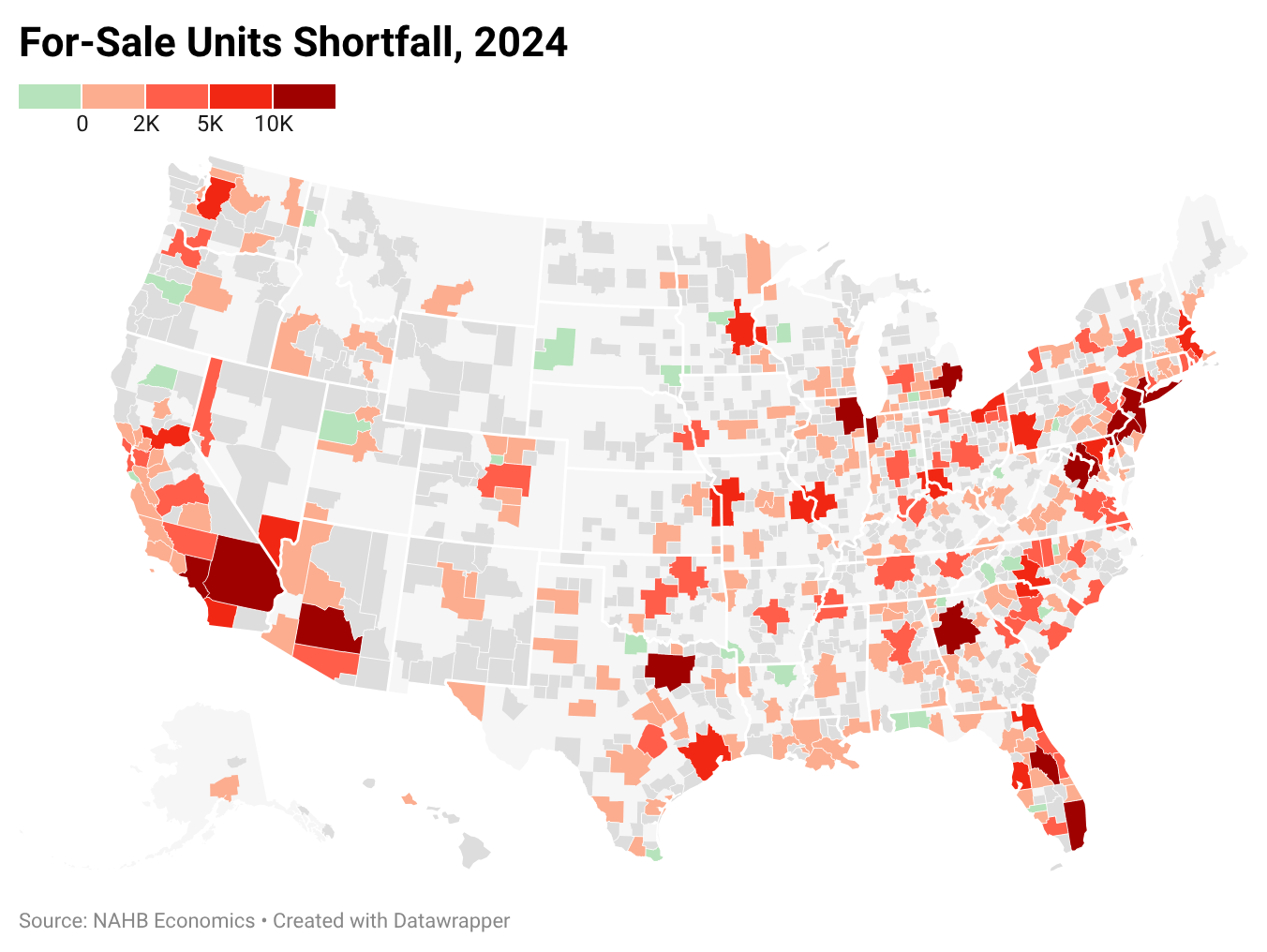
New data from Eye On Housing and the NAHB shows the U.S. remains short more than 1.2 million housing units, keeping pressure on both rents and home prices. Record‑low vacancy rates, slow single‑family construction, and restrictive zoning continue to fuel intense competition in 2024. Major metros like Chicago, New York, and Atlanta face some of the deepest deficits, and the true nationwide shortfall may be even higher when accounting for overcrowding and aging homes. For real estate professionals, the ongoing shortage means sustained demand, tighter inventory, and major opportunities for those who understand the evolving market.

AI Isn’t the Shiny Object Anymore — It’s the New System Driving Real Estate Success

Top real estate coach Jason Pantana says the divide between agents today isn’t about who has “tried” AI — it’s about who is immersed in it. In a new HousingWire interview, he explains why AI isn’t a gimmick but a full business system that amplifies output, improves authenticity, and reshapes how clients search for agents. From prompt mastery to AI‑driven visibility on Google, Pantana reveals how agents who commit even 15 minutes a day to learning AI are already outperforming those who hesitate.

DFW Commercial Real Estate 2025: Industrial Surges, Retail Shines, Office Struggles

Dallas–Fort Worth’s commercial real estate market closed 2025 with a split personality. Industrial dominated with massive new deliveries and soaring leasing demand, retail held steady with some of the market’s strongest fundamentals in years, and office continued to falter under remote‑work pressures. High vacancies, weak absorption, and rising demand for top‑tier space show the sector’s ongoing reset. Meanwhile, industrial and retail strength position the Metroplex for another powerhouse year heading into 2026.