Is Now a Good Time to Buy a House? A Deep Dive Into Today’s Surprising Housing Market

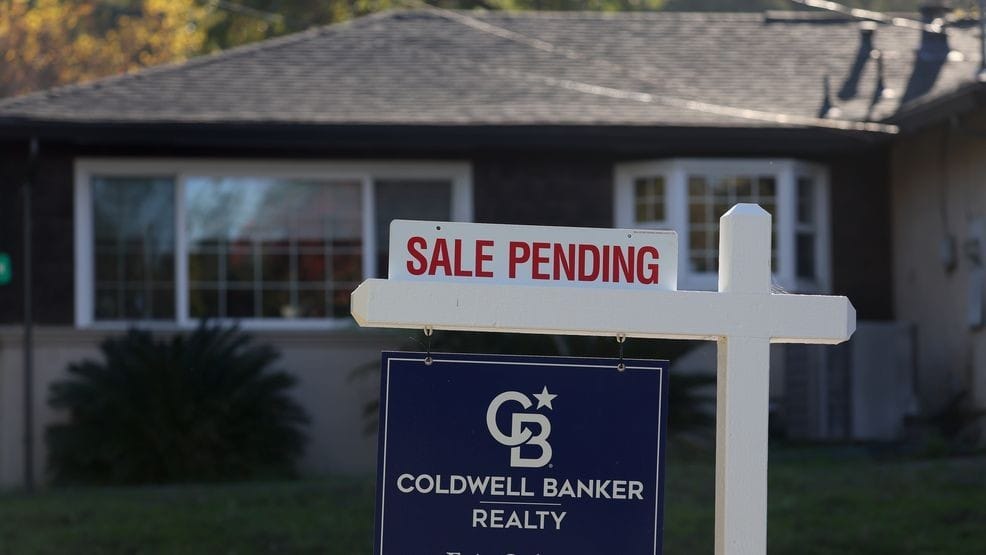
Mortgage rates are easing, inventory is rising, and buyers finally have leverage — but record-high prices and an uneasy economy keep many on the sidelines.
If you’ve been waiting for the housing market to finally make sense again, you’re definitely not alone. After a sluggish spring and summer, the same cooled‑off trends are stretching into fall. Mortgage rates have dipped from their highest peaks, yet elevated home values and a shaky economic outlook continue to keep many buyers cautious.
This week, Redfin dropped one of their most eye‑opening analyses yet. According to their featured report, the answer to whether it’s a good time to buy ultimately depends on you — your finances, stability, future plans, and willingness to navigate an unpredictable economy.
What Economists Are Saying
Redfin’s Chief Economist, Daryl Fairweather, didn’t hold back in her latest commentary:
“Nationally, now is a good time to buy — if you can afford it. Prices keep climbing, but with lower mortgage rates and more inventory, buyers have the upper hand.”
Her point is clear: opportunity exists, but the experience varies dramatically from city to city.
Home Prices Are High — and Still Rising
The median U.S. sale price is now $440,000, up 1.2% from last year and a staggering 32% higher than just five years ago. Many sellers are realizing that the era of ultra‑premium pricing is fading — and some are even pulling listings after failing to get their dream numbers.
Mortgage Rates: Lower, Yet Volatile
As of November 13th, the average 30‑year fixed mortgage rate is sitting at 6.34%. Not amazing — but far from the brutal spikes we saw earlier.
Redfin’s Head of Economic Research, Chen Zhao, adds an important caution:
“Rates are still relatively low, but economic uncertainty means buyers should expect them to remain unsteady for the foreseeable future.”
The consensus? Expect a 6%–7% range, which can dramatically change monthly affordability.
Welcome to a Buyer’s Market
For the first time in years, buyers have leverage again. Inventory is rising — particularly in Southern states like Florida and Texas — with over two million homes now on the market. More options, more negotiation power, and fewer bidding wars.
But Demand Is Near Record Lows
Even with increased inventory, demand is sluggish due to high prices and economic uncertainty. Younger buyers and first‑timers are especially stretched — entering the market older, leaning on family support, and navigating intense financial pressure.
Still, affordable Midwest markets like Detroit and Dayton remain fiercely competitive.
Inflation’s Upswing Could Change Everything
Economists warn that rising inflation could push mortgage rates higher again — and fast. That means buyers who wait too long may miss favorable conditions.
How to Buy Smart in an Uncertain Economy
Experts suggest focusing on:
- Your true financial comfort zone
- Negotiating — concessions, fees, rates, everything
- Comparing lenders and asking about “float‑down” options
- Selling before buying when possible
Are You Personally Ready to Buy?
Market timing matters, but personal readiness matters more. Consider:
- Your emergency fund strength
- Job and income stability
- Future location plans
- Your comfort with maintenance, insurance, and property taxes
So… Is Now a Good Time to Buy?
If your finances are stable and you plan to stay in a home for several years, yes — now might be the ideal time.
Inventory is high, competition low, and mortgage rates (while imperfect) are friendlier than the highs of recent years. Waiting for rates to fall may create a stampede of competition — which often pushes prices even higher.
Redfin’s advice? Get prepared now, get preapproved, and be ready to move when the right opportunity appears.
How Cameron Academy Fits In
For Florida professionals — or aspiring ones — this shifting market is a powerful opportunity. Whether you’re analyzing trends for clients or considering a career pivot, understanding how markets move can completely reshape your earning potential.
At Cameron Academy, we offer flexible, affordable licensing and continuing education courses for real estate professionals, mortgage specialists, insurance agents, and more. Thousands of students across Florida trust us to elevate their careers and stay ahead of industry changes.
Explore courses, expand your expertise, and advance your professional journey with Cameron Academy today.