Is Now a Good Time to Buy a House?
Mortgage rates are dipping, inventory is climbing, and—believe it or not—homebuyers finally have some leverage. Yes, home prices are at all‑time highs and the economy feels like a roller coaster, but for those who can afford it, this market may actually be opening its doors.
Let’s break down what’s really going on and whether now is the right moment to make your move.
Key Takeaways
- If you’re financially ready, this may be a strong moment to buy.
- Mortgage rates are still below earlier peaks but could swing as economic data shifts.
- Inventory is high, giving buyers more negotiating power.
- Despite buyer advantages, high prices and shaky economic sentiment keep overall demand low.
The Market: Slow, Weird, and Buyer‑Friendly
After a sluggish spring and summer, the housing market isn’t showing signs of heating up. Listings remain limited, sales are crawling, and prices continue to post record highs.
Yet thanks to rising inventory and cooling rates, buyers now have something they haven’t had in years: leverage.
“Nationally, now is a good time to buy, if you can afford it… buyers have an upper hand in negotiations.” – Daryl Fairweather, Redfin Chief Economist
Prices Are High — And May Climb Higher
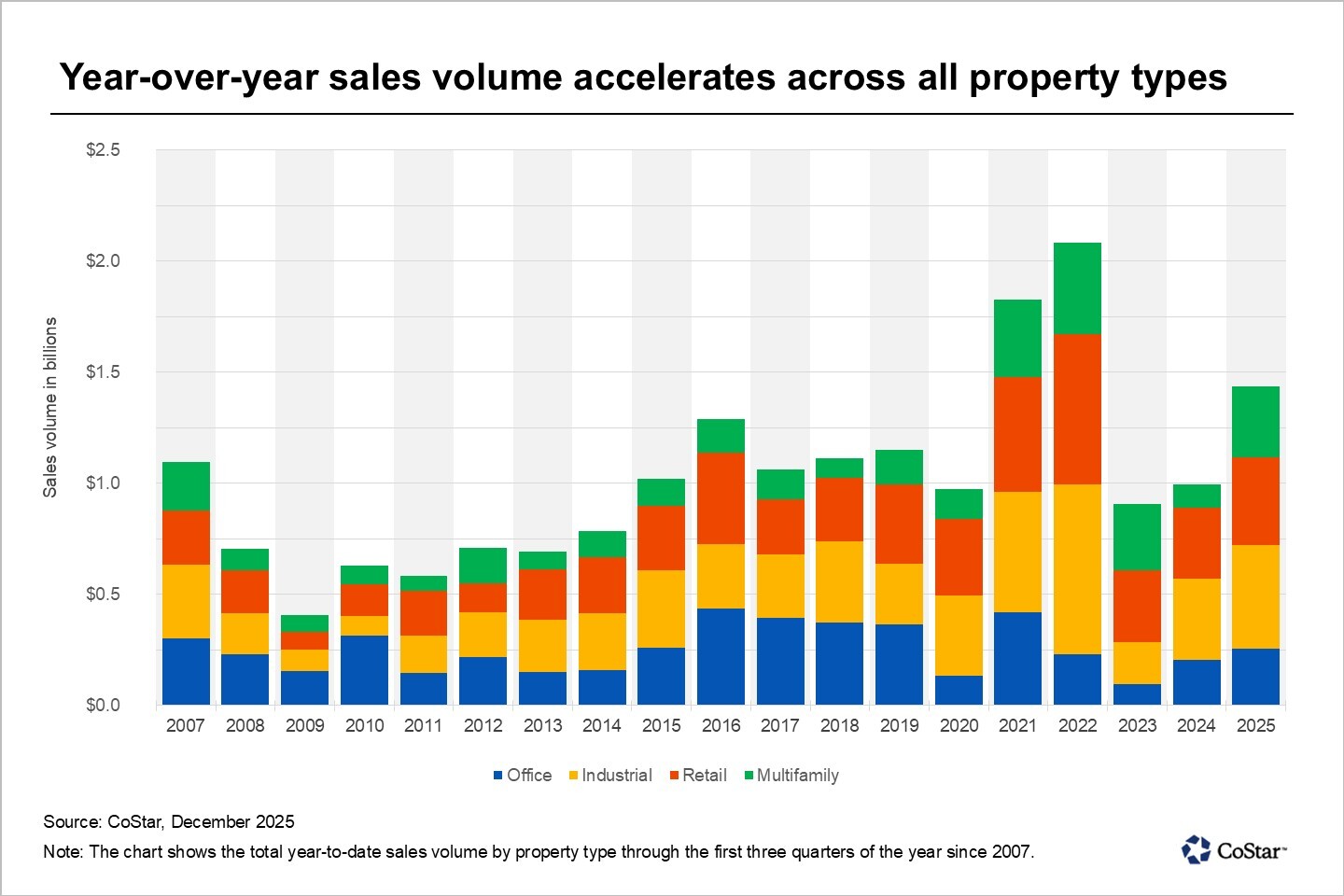
The median U.S. sale price is now $440,000, up 1.2% from last year and 32% higher than five years ago. Many prospective buyers are stepping back, causing inventory to swell—especially in Florida and Texas.
Sellers are noticing. More of them are pulling listings after realizing they won’t fetch peak pricing.
Mortgage Rates: Lower, But Unsteady
The daily average 30‑year fixed rate sits at 6.34%. Elevated, yes—but still far below early‑year spikes. Economic uncertainty and Federal Reserve messaging are pushing rates up and down like a heartbeat monitor.
Rates are expected to hover between 6–7% through the year.
Quick Tip: Even small changes in mortgage rates can shift your monthly payment by hundreds of dollars. Lock in early if you’re serious.
Inventory Is Up, Demand Is Down
Over 2 million homes are currently on the market—one of the highest levels since the pandemic. That means more options and more negotiating room for buyers.
Demand, however, is near historic lows. High prices and an uncertain economy are pushing would‑be buyers to wait, giving serious shoppers even more control.
Some markets buck the trend—Midwestern cities like Dayton and Detroit still favor sellers due to high affordability and strong local demand.
Inflation Could Complicate Things
With tariffs and shifting federal policy, economists warn that inflation could tick upward again. Higher inflation typically means higher mortgage rates and higher home prices.
For buyers, this makes today’s rates potentially more attractive than tomorrow’s.
How to Buy Smart in an Uncertain Economy
- Stick to a firm budget and keep a strong cash cushion.
- Negotiate hard—this is the most buyer‑friendly market in years.
- Compare lenders and ask about “float‑down” rate options.
- If you’re also selling a home, consider selling first to avoid double payments.
Are You Personally Ready to Buy?
Market conditions matter, but your personal situation matters more:
- How strong are your savings and credit?
- Can you comfortably handle a mortgage, insurance, and maintenance?
- Are you stable in your job or income?
- Do you expect to stay in the same area long term?
- Is the property in a climate‑risk or insurance‑volatile area?
So… Should You Buy a House Right Now?
In many ways, yes—if you’re financially ready. Buyers today have more power, less competition, and lower rates than they had earlier in the year. Waiting for “the perfect moment” could mean missing your window entirely.
Get preapproved, connect with a local agent, and be prepared to act quickly when the right home appears.
The longer you wait, the more competition may return.


 The Mortgage Industry’s AI Transformation: Automation Reshapes Lending From Application to Approval Gallery