Historic victorian home

Is Now a Good Time to Buy a House?

Mortgage rates are dipping, inventory is climbing, and—believe it or not—homebuyers finally have some leverage. Yes, home prices are at all‑time highs and the economy feels like a roller coaster, but for those who can afford it, this market may actually be opening its doors.

Let’s break down what’s really going on and whether now is the right moment to make your move.

Key Takeaways

  • If you’re financially ready, this may be a strong moment to buy.
  • Mortgage rates are still below earlier peaks but could swing as economic data shifts.
  • Inventory is high, giving buyers more negotiating power.
  • Despite buyer advantages, high prices and shaky economic sentiment keep overall demand low.

The Market: Slow, Weird, and Buyer‑Friendly

After a sluggish spring and summer, the housing market isn’t showing signs of heating up. Listings remain limited, sales are crawling, and prices continue to post record highs.

Yet thanks to rising inventory and cooling rates, buyers now have something they haven’t had in years: leverage.

“Nationally, now is a good time to buy, if you can afford it… buyers have an upper hand in negotiations.” – Daryl Fairweather, Redfin Chief Economist

Prices Are High — And May Climb Higher

The median U.S. sale price is now $440,000, up 1.2% from last year and 32% higher than five years ago. Many prospective buyers are stepping back, causing inventory to swell—especially in Florida and Texas.

Sellers are noticing. More of them are pulling listings after realizing they won’t fetch peak pricing.

Mortgage Rates: Lower, But Unsteady

The daily average 30‑year fixed rate sits at 6.34%. Elevated, yes—but still far below early‑year spikes. Economic uncertainty and Federal Reserve messaging are pushing rates up and down like a heartbeat monitor.

Rates are expected to hover between 6–7% through the year.

Quick Tip: Even small changes in mortgage rates can shift your monthly payment by hundreds of dollars. Lock in early if you’re serious.

Inventory Is Up, Demand Is Down

Over 2 million homes are currently on the market—one of the highest levels since the pandemic. That means more options and more negotiating room for buyers.

Demand, however, is near historic lows. High prices and an uncertain economy are pushing would‑be buyers to wait, giving serious shoppers even more control.

Some markets buck the trend—Midwestern cities like Dayton and Detroit still favor sellers due to high affordability and strong local demand.

Inflation Could Complicate Things

With tariffs and shifting federal policy, economists warn that inflation could tick upward again. Higher inflation typically means higher mortgage rates and higher home prices.

For buyers, this makes today’s rates potentially more attractive than tomorrow’s.

How to Buy Smart in an Uncertain Economy

  • Stick to a firm budget and keep a strong cash cushion.
  • Negotiate hard—this is the most buyer‑friendly market in years.
  • Compare lenders and ask about “float‑down” rate options.
  • If you’re also selling a home, consider selling first to avoid double payments.

Are You Personally Ready to Buy?

Market conditions matter, but your personal situation matters more:

  • How strong are your savings and credit?
  • Can you comfortably handle a mortgage, insurance, and maintenance?
  • Are you stable in your job or income?
  • Do you expect to stay in the same area long term?
  • Is the property in a climate‑risk or insurance‑volatile area?

So… Should You Buy a House Right Now?

In many ways, yes—if you’re financially ready. Buyers today have more power, less competition, and lower rates than they had earlier in the year. Waiting for “the perfect moment” could mean missing your window entirely.

Get preapproved, connect with a local agent, and be prepared to act quickly when the right home appears.

The longer you wait, the more competition may return.

More Articles

Getting licensed or staying ahead in your career can be a journey—but it doesn’t have to be overwhelming. Grab your favorite coffee or tea, take a moment to relax, and browse through our articles. Whether you’re just starting out or renewing your expertise, we’ve got tips, insights, and advice to keep you moving forward. Here’s to your success—one sip and one step at a time!

The Surprising Way to Profit From the AI Boom: It’s Not Tech—It’s Real Estate

While most people chase AI stocks or compete for high‑pressure tech jobs, the real opportunity may be unfolding in AI boomtown real estate. As companies like OpenAI, Anthropic, Microsoft, and NVIDIA mint new waves of wealthy workers, demand for housing in key cities is exploding. From San Francisco to Austin, AI‑driven markets are seeing rising rents, limited inventory, and buyers preparing for massive IPO windfalls. For real estate professionals—or anyone entering the field—this surge represents one of the strongest long‑term opportunities in the industry.

Florida Ends Insurance Surcharge Early, Saving Homeowners $650 Million

Florida is ending its 1 percent emergency insurance surcharge two years ahead of schedule, saving homeowners an estimated 650 million dollars through 2028. Thanks to a calm hurricane season, fewer insurer failures, and reduced lawsuits, officials say the state’s property insurance market is now in its strongest financial position in a decade. The change offers relief for homeowners and new momentum for Florida’s real estate industry, where lower insurance costs can boost buyer confidence and support smoother transactions.

The Hidden Risk: Why Banning Big Investors Could Shrink Housing Options for Millions

A growing political push to block institutional investors from buying single-family homes may sound like a pro-homeowner policy, but the data shows it could do the opposite. Younger and racially diverse renters rely heavily on single-family rentals as an affordable, stable alternative to buying—yet restricting investor participation would shrink this supply, pushing many families into overcrowded housing, motels, or homelessness. The real issue isn’t who buys the homes, but that America doesn’t have enough of them.

Agents Embrace AI and Simplicity: Zillow’s 2026 Survey Shows What Real Estate Pros Really Want

Zillow’s 2026 Agent Trends Survey reveals a major shift in what agents value most: technology that reduces mental drain. Nearly half of agents now use AI tools daily, yet most still juggle multiple platforms that sap their focus. Zillow’s upcoming unified platform, Zillow Pro, aims to streamline workflows and cut cognitive load. The survey also highlights key industry trends, including buyer financial literacy gaps, the importance of relationships for lead generation and the growing need for tech fluency among both new and seasoned real estate professionals.

Florida Cities With the Fastest Growing Home Prices in 2026

Florida’s housing market is still surging, with luxury enclaves like Lake Buena Vista, Jupiter Island, and Golden Beach seeing massive six‑figure price jumps in just one year. Smaller towns such as Old Town, Cross City, and Hosford also posted steady gains, proving demand is rising statewide. For real estate professionals, these trends highlight where buyers are moving, where inventory is tight, and where future opportunities lie—making market literacy an essential advantage for anyone pursuing or expanding a career in Florida real estate.

Rhode Island Unveils Bold Housing Package to Tackle Affordability Crisis

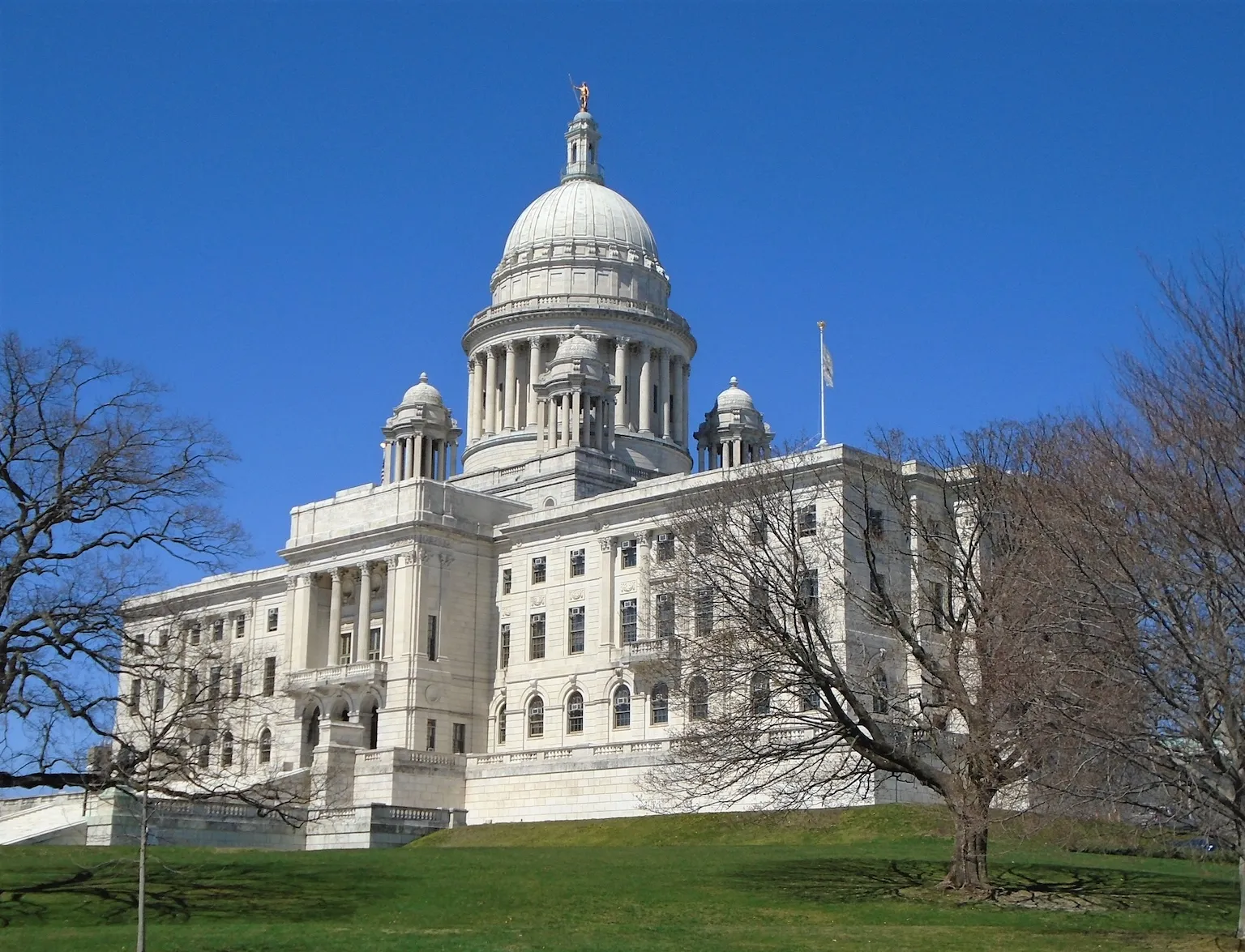
Rhode Island is launching its sixth major housing reform package, aiming to boost affordability through zoning updates, lot splits, code changes, and the revival of single room occupancy and co‑living housing. With the state still recovering from years of underbuilding and soaring home prices, lawmakers hope these reforms will unlock new supply, ease pressure on renters and buyers, and create fresh opportunities for real estate professionals.