Is There Really a Housing Crisis? A Fresh Look at the Market

Housing market analysis

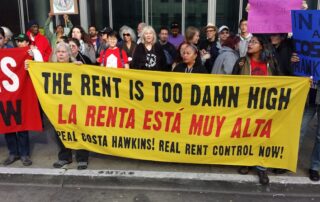
The phrase “housing crisis” has been echoed across newsrooms, coffee shops, and social media feeds for years. But a recent conversation in Beaufort, South Carolina sparked a different kind of discussion — one suggesting that the crisis may not be as universal or as simple as many believe.

While headlines often highlight soaring prices and shrinking inventory, some local economists and market observers argue that the term “crisis” oversimplifies a far more nuanced reality. In many regions, the issue isn’t an absolute lack of housing, but rather a mismatch between what’s available and what today’s buyers actually want or can afford.

The Market Is Changing — Not Collapsing

Across the country, demographic shifts, remote work, and migration patterns are reshaping demand. Some cities are booming. Others are cooling. And in places like coastal South Carolina, new construction continues to rise, challenging the idea that the market is universally strained.

Professionals in real estate, mortgage lending, insurance, and finance have a front‑row seat to these shifts. What appears as a crisis to one buyer may feel like an opportunity to a seasoned investor — or a sign of healthy correction to an analyst.

What This Means for You as a Professional

Understanding the difference between a perceived crisis and a real structural issue is essential. Clients depend on professionals who can decode market signals, separate hype from reality, and guide them with confidence.

If you’re looking to advance your real estate or related professional career, training and education are key. At Cameron Academy, we equip learners nationwide with practical knowledge and licensing options that help them thrive in shifting markets — not fear them.

A Final Thought

The housing market is changing. Fast. But change doesn’t always equal crisis. Sometimes it simply means opportunity — especially for those prepared with the right credentials, insights, and expertise.

For more perspectives like the one that inspired this discussion, explore regional reporting at outlets like The Island News, a publication that often highlights the local angles behind national conversations.


More Articles

Getting licensed or staying ahead in your career can be a journey—but it doesn’t have to be overwhelming. Grab your favorite coffee or tea, take a moment to relax, and browse through our articles. Whether you’re just starting out or renewing your expertise, we’ve got tips, insights, and advice to keep you moving forward. Here’s to your success—one sip and one step at a time!

Fed Survey Shows Only Two More Rate Cuts Expected, Even if Trump Appoints a New Fed Chair

A new CNBC Fed Survey reveals that economists expect just two additional interest rate cuts in 2026 and none in 2027, even if President Donald Trump appoints a more dovish Federal Reserve chair. Strong economic growth, stable inflation, and reduced recession fears are keeping rate‑cut expectations limited, signaling a more stable long‑term environment for real estate, mortgage, and financial professionals.

15 States on the Brink: America’s Insurance Crisis Is Spreading Faster Than Anyone Expected

A nationwide insurance crisis is accelerating as climate‑driven disasters push premiums higher, force insurers out of multiple states, and reshape real estate and mortgage markets. Once limited to Florida and California, the instability now threatens 15 states where losses, extreme weather, and insurer withdrawals are creating mounting risks for homeowners and industry professionals alike.

Commercial Real Estate in 2026: Rightsizing, Cool Offices, and a Market Waiting for Clarity

Commercial real estate is entering 2026 with a cautious but strategic shift. Companies are ditching oversized offices in favor of smaller, higher‑quality spaces packed with amenities that attract today’s workforce. Downtown markets like Portland remain steady, while suburban vacancies rise and landlords get creative with incentives. Industrial real estate is cooling after years of explosive growth, and developers are hesitating—though multifamily and hotel projects continue to push forward. Overall, the theme of the year is patience, as businesses wait for clearer signals on interest rates, construction costs, and long‑term workplace trends.

The Real Reason Housing Isn’t Affordable—And Why Deregulation Won’t Save Us

A new study from leading urban scholars reveals that zoning laws and construction slowdowns aren’t the true cause of America’s housing crisis. Even with massive building booms, rents would barely drop for decades. The real culprit? Soaring economic inequality. Until the widening wealth gap is addressed, policies like upzoning and deregulation won’t make housing affordable for working Americans—and may even push prices higher.

Cambio Raises $18M To Transform Commercial Real Estate Workflows With AI

Cambio, a fast‑growing AI proptech company, has secured an $18 million Series A at a $100 million valuation, aiming to overhaul how commercial real estate firms process documents and make investment decisions. By converting messy PDFs, spreadsheets, and audit files into investor‑ready insights in minutes, the platform is rapidly expanding—now active in 35 countries and managing data for over 2 billion square feet of assets.

Florida’s Insurance Market Enters 2026 With Rare Good News — Stability Returns for Homeowners and Real Estate Professionals

Florida’s insurance market is finally showing signs of real recovery heading into 2026. Industry leaders say recent legal reforms have sharply reduced lawsuits, allowing insurers to stabilize rates — and even introduce reductions for the first time in years. With new companies entering the state and solvency at its strongest level in more than a decade, real estate and mortgage professionals may benefit from improved buyer confidence and smoother closings as insurance becomes more predictable again.