January Home Sales Plunge 8.4% as Realtors Warn of a “New Housing Crisis”
The U.S. housing market kicked off the year with turbulence, as January home sales fell a steep 8.4% from December—far more than analysts expected. According to the National Association of Realtors (NAR), the annualized pace of existing home sales slid to just 3.91 million, marking the slowest pace since December 2023 and the sharpest monthly drop since early 2022.
Lawrence Yun, Chief Economist for NAR, didn’t mince words. He called today’s market conditions “a new housing crisis.” His reasoning? “The movement is not happening. Americans are stuck,” Yun explained, noting that renters in particular are unable to participate in long‑term housing wealth.
What’s Behind the Sudden Drop?
Mortgage rates barely budged during late 2025, hovering around 6.1% for a 30‑year fixed mortgage. Although that number has come down slightly and affordability has technically improved—wage growth has outpaced home price gains—inventory remains the major roadblock.
Supply continues to falter. January inventory dipped from December levels but still sits 3.4% higher than last year. With just a 3.7‑month supply of homes available, the market is nowhere near the balanced 6‑month mark that favors both buyers and sellers.
Prices Still Climb—And Homes Take Longer to Sell
Despite the slowdown in sales, prices continue their steady rise. January’s median home price hit a new record of $396,800—almost 1% higher than the same period last year. Homes are now spending an average of 46 days on the market, up from 41 days a year ago.
First‑time buyers made up 31% of sales in January, an increase from 28% last year. Yet affordability remains a significant hurdle, especially for entry‑level homes. Sales dropped most sharply in the sub‑$250,000 segment, while the $1‑million‑plus range was the only tier to show year‑over‑year growth.
A Market in Motion—Just Not Enough Motion
Regionally, January sales were down across all major areas, with the steepest declines in the South and West. For active and aspiring real estate professionals—especially in fast‑moving states like Florida—this market calls for adaptability, continuous learning, and sharp market awareness. At Cameron Academy, more students than ever are using market volatility as a catalyst to strengthen their credentials and stay competitive in the evolving real estate landscape.
Stay Ahead of the Market
For real‑time housing insights, CNBC remains one of the most reliable sources in the industry. You can explore their full report and even subscribe to their weekly investor newsletter, Property Play, using the links below.
As the 2026 market unfolds, staying informed—and prepared—will be the key to success, whether you’re an investor, a homeowner, or a professional shaping your future through education at Cameron Academy.
More Articles
Getting licensed or staying ahead in your career can be a journey—but it doesn’t have to be overwhelming. Grab your favorite coffee or tea, take a moment to relax, and browse through our articles. Whether you’re just starting out or renewing your expertise, we’ve got tips, insights, and advice to keep you moving forward. Here’s to your success—one sip and one step at a time!
The financial landscape in South Korea is poised for a seismic shift as KBank, a major digital bank, grapples with a legislative curveball. The bank, which is heavily reliant on deposits from Upbit, Korea’s dominant cryptocurrency exchange, is facing a potential profit squeeze. The new Virtual Asset User Protection Act, set to take effect on July 19, 2024, mandates that banks must pay interest on crypto exchange deposits, a move that could severely impact KBank's bottom line.
AI's ability to analyze vast amounts of data is paving the way for a profound change in medical diagnostics. Khosla predicted that AI could take over up to 80% of standard medical tasks, reducing errors and biases in human diagnosis. This is particularly evident in fields like radiology and pathology, where AI's proficiency in analyzing medical imaging allows for the early detection of diseases such as cancer, significantly improving treatment outcomes.
The COVID-19 pandemic has dramatically reshaped the housing market landscape, resulting in an unprecedented surge in home prices throughout the United States.
In a world where technology is rapidly evolving, artificial intelligence (AI) is proving to be a game-changer in the healthcare sector. AI-powered tools are improving patient outcomes, enhancing operational efficiency, and reducing costs, reshaping the very fabric of healthcare delivery.
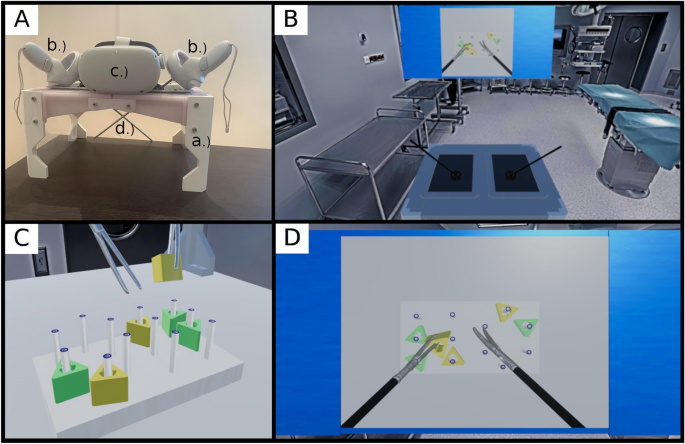
In a groundbreaking study published by Nature, researchers have unveiled a novel approach to surgical training using a low-fidelity virtual reality (VR) simulator enhanced with artificial intelligence (AI) for objective assessment. This pioneering method is poised to transform how medical students acquire laparoscopic skills, offering a cost-effective and efficient alternative to traditional training models.
AI in healthcare is projected to grow into a $188 billion industry worldwide by 2030, promising to revolutionize the field. From drug development to improved diagnostics, AI is already making significant strides, transforming medical practices and enhancing patient care efficiency.