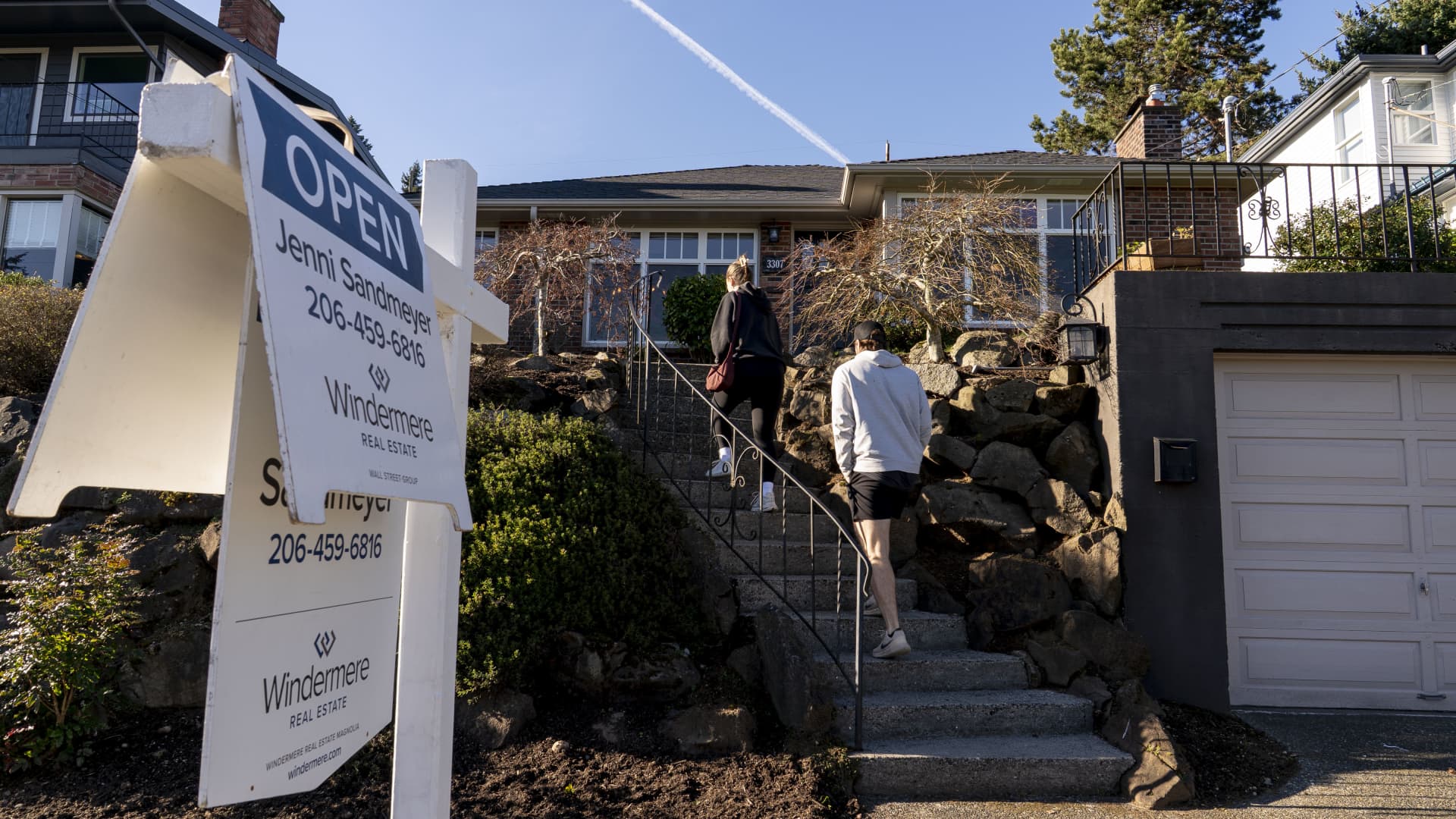
January Home Sales Plunge 8.4% as Realtors Warn of a “New Housing Crisis”
The U.S. housing market kicked off the year with turbulence, as January home sales fell a steep 8.4% from December—far more than analysts expected. According to the National Association of Realtors (NAR), the annualized pace of existing home sales slid to just 3.91 million, marking the slowest pace since December 2023 and the sharpest monthly drop since early 2022.
Lawrence Yun, Chief Economist for NAR, didn’t mince words. He called today’s market conditions “a new housing crisis.” His reasoning? “The movement is not happening. Americans are stuck,” Yun explained, noting that renters in particular are unable to participate in long‑term housing wealth.
What’s Behind the Sudden Drop?
Mortgage rates barely budged during late 2025, hovering around 6.1% for a 30‑year fixed mortgage. Although that number has come down slightly and affordability has technically improved—wage growth has outpaced home price gains—inventory remains the major roadblock.
Supply continues to falter. January inventory dipped from December levels but still sits 3.4% higher than last year. With just a 3.7‑month supply of homes available, the market is nowhere near the balanced 6‑month mark that favors both buyers and sellers.
Prices Still Climb—And Homes Take Longer to Sell
Despite the slowdown in sales, prices continue their steady rise. January’s median home price hit a new record of $396,800—almost 1% higher than the same period last year. Homes are now spending an average of 46 days on the market, up from 41 days a year ago.
First‑time buyers made up 31% of sales in January, an increase from 28% last year. Yet affordability remains a significant hurdle, especially for entry‑level homes. Sales dropped most sharply in the sub‑$250,000 segment, while the $1‑million‑plus range was the only tier to show year‑over‑year growth.
A Market in Motion—Just Not Enough Motion
Regionally, January sales were down across all major areas, with the steepest declines in the South and West. For active and aspiring real estate professionals—especially in fast‑moving states like Florida—this market calls for adaptability, continuous learning, and sharp market awareness. At Cameron Academy, more students than ever are using market volatility as a catalyst to strengthen their credentials and stay competitive in the evolving real estate landscape.
Stay Ahead of the Market
For real‑time housing insights, CNBC remains one of the most reliable sources in the industry. You can explore their full report and even subscribe to their weekly investor newsletter, Property Play, using the links below.
As the 2026 market unfolds, staying informed—and prepared—will be the key to success, whether you’re an investor, a homeowner, or a professional shaping your future through education at Cameron Academy.
More Articles
Getting licensed or staying ahead in your career can be a journey—but it doesn’t have to be overwhelming. Grab your favorite coffee or tea, take a moment to relax, and browse through our articles. Whether you’re just starting out or renewing your expertise, we’ve got tips, insights, and advice to keep you moving forward. Here’s to your success—one sip and one step at a time!
In a landmark decision, the court has preliminarily approved settlement agreements in the commission lawsuits involving real estate companies RE/MAX and Anywhere Real Estate. The agreements require RE/MAX to pay $55 million and Anywhere Real Estate to pay $83.5 million. As part of the settlements, both companies will implement significant policy and practice changes, including the elimination of the requirement for agents to be members of the National Association of Realtors. This change will provide agents with more flexibility and independence in their business practices. The settlements have far-reaching implications for the real estate industry, fostering a more dynamic and customer-centric real estate market.
The housing market saw a remarkable increase in housing starts and permits in October, pointing to a positive industry trend. This surge suggests a growing demand among Americans for homeownership, prompting builders to respond by ramping up their construction efforts. However, builder confidence has been somewhat dampened by elevated mortgage rates. The housing market's performance varied across different regions in the United States, highlighting the diverse nature of the housing market and the various factors influencing construction trends.
CUSO Home Lending has implemented Dark Matter Technologies' advanced Empower loan origination system, revolutionizing the credit union lending process. The Empower system streamlines loan applications, automates document collection and verification, and facilitates seamless communication between borrowers, loan officers, and underwriters. With robust security measures and full compliance with industry regulations, the system ensures the protection of sensitive information. This move highlights the importance of embracing digital transformation in the lending industry.
United Wholesale Mortgage (UWM), a leading wholesale lender in the mortgage industry, has launched a new initiative offering no-cost appraisals on 1-0 temporary rate buydowns. This strategic move aims to attract more brokers by covering up to $600 of the appraisal cost on all conventional and government-backed home loans. Temporary rate buydowns allow borrowers to pay a lower mortgage rate during the initial period of their loans, making homeownership more affordable. This limited-time opportunity until March 31 provides brokers with a unique value proposition for their clients. Ready to explore the benefits of UWM's temporary rate buydowns and no-cost appraisals? Connect with UWM today.
Mark Willis has made a significant leadership change by returning as the CEO of Keller Williams, a leading player in the real estate industry. This news marks a triumphant comeback for Willis, who previously served as the CEO of Keller Williams from 2005 to 2014. Armed with extensive experience and a proven track record, Willis aims to steer Keller Williams towards continued success and navigate the challenges facing the real estate industry. This article will delve into Willis' career history, the growth of Keller Williams under his leadership, and the current landscape of the real estate market.
A recent lawsuit in Texas has sent shockwaves through the real estate industry, shedding light on alleged collusion among individual brokers, real estate teams, and large corporate brokerages. The lawsuit, filed by the QJ Team and other plaintiffs, accuses these entities of artificially inflating real estate agent commissions. The real estate industry has been rocked by a series of commission lawsuits in recent years, but the QJ Team lawsuit stands out due to its comprehensive list of defendants. The QJ Team lawsuit alleges that the defendants engaged in collusion to artificially inflate real estate agent commissions, thereby restricting competition and harming consumers. The plaintiffs claim that these entities conspired to set and maintain high commission rates, limiting the ability of homebuyers and sellers to negotiate fair prices. If proven true, these allegations could have far-reaching consequences for the real estate industry in Texas.