January Home Sales Plunge 8.4% as Realtors Warn of a “New Housing Crisis”
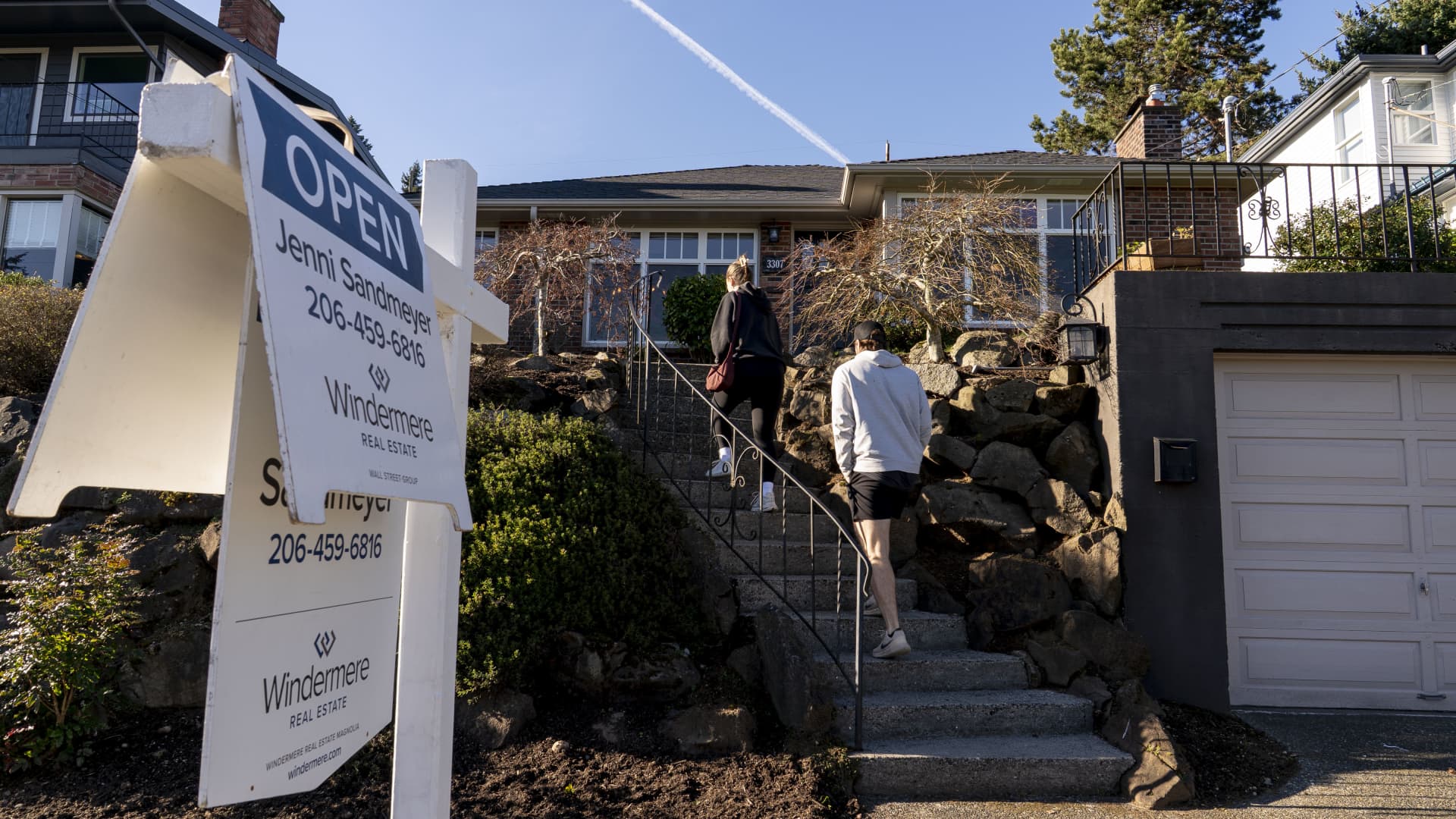
The U.S. housing market kicked off the year with turbulence, as January home sales fell a steep 8.4% from December—far more than analysts expected. According to the National Association of Realtors (NAR), the annualized pace of existing home sales slid to just 3.91 million, marking the slowest pace since December 2023 and the sharpest monthly drop since early 2022.
Lawrence Yun, Chief Economist for NAR, didn’t mince words. He called today’s market conditions “a new housing crisis.” His reasoning? “The movement is not happening. Americans are stuck,” Yun explained, noting that renters in particular are unable to participate in long‑term housing wealth.
What’s Behind the Sudden Drop?
Mortgage rates barely budged during late 2025, hovering around 6.1% for a 30‑year fixed mortgage. Although that number has come down slightly and affordability has technically improved—wage growth has outpaced home price gains—inventory remains the major roadblock.
Supply continues to falter. January inventory dipped from December levels but still sits 3.4% higher than last year. With just a 3.7‑month supply of homes available, the market is nowhere near the balanced 6‑month mark that favors both buyers and sellers.
Prices Still Climb—And Homes Take Longer to Sell
Despite the slowdown in sales, prices continue their steady rise. January’s median home price hit a new record of $396,800—almost 1% higher than the same period last year. Homes are now spending an average of 46 days on the market, up from 41 days a year ago.
First‑time buyers made up 31% of sales in January, an increase from 28% last year. Yet affordability remains a significant hurdle, especially for entry‑level homes. Sales dropped most sharply in the sub‑$250,000 segment, while the $1‑million‑plus range was the only tier to show year‑over‑year growth.
A Market in Motion—Just Not Enough Motion
Regionally, January sales were down across all major areas, with the steepest declines in the South and West. For active and aspiring real estate professionals—especially in fast‑moving states like Florida—this market calls for adaptability, continuous learning, and sharp market awareness. At Cameron Academy, more students than ever are using market volatility as a catalyst to strengthen their credentials and stay competitive in the evolving real estate landscape.
Stay Ahead of the Market
For real‑time housing insights, CNBC remains one of the most reliable sources in the industry. You can explore their full report and even subscribe to their weekly investor newsletter, Property Play, using the links below.
As the 2026 market unfolds, staying informed—and prepared—will be the key to success, whether you’re an investor, a homeowner, or a professional shaping your future through education at Cameron Academy.
More Articles
Getting licensed or staying ahead in your career can be a journey—but it doesn’t have to be overwhelming. Grab your favorite coffee or tea, take a moment to relax, and browse through our articles. Whether you’re just starting out or renewing your expertise, we’ve got tips, insights, and advice to keep you moving forward. Here’s to your success—one sip and one step at a time!
Florida’s home insurance market is experiencing a wave of optimism as recent litigation reforms lead to fewer lawsuits, stronger insurer stability, and even rate reductions. With companies like Florida Peninsula lowering premiums and 17 new insurers entering the state, real estate, mortgage, and insurance professionals can expect smoother transactions, increased buyer confidence, and a more competitive market environment in the year ahead.
Mortgage rates have dipped to levels not seen since 2022, with the 30‑year fixed averaging just 6.361% and Freddie Mac reporting an even lower 6.06%. The drop is reshaping buyer affordability, sparking renewed market activity, and creating fresh opportunities for real estate professionals—especially in fast‑moving markets like Florida.
The 2026 housing market is shaping up to be one of the most pivotal in years, with mortgage rates showing slight relief, affordability shifting toward the Midwest and South, and buyers turning to options like ARMs and new‑construction homes. Early signals point to new opportunities for buyers, investors, and real‑estate professionals—especially those ready to navigate a market defined by moderate rate drops, regional affordability gaps, and builder‑driven incentives.
Ares Commercial Real Estate CEO Bryan Donohoe sold US$107k in shares this week, trimming his stake by 13% and adding to a pattern of insider selling with no insider purchases in the past 12 months. With insider ownership sitting at a modest 1.6%, the activity signals a cautious tone inside the company—something real estate, mortgage, and finance professionals may want to watch as they assess broader market confidence.
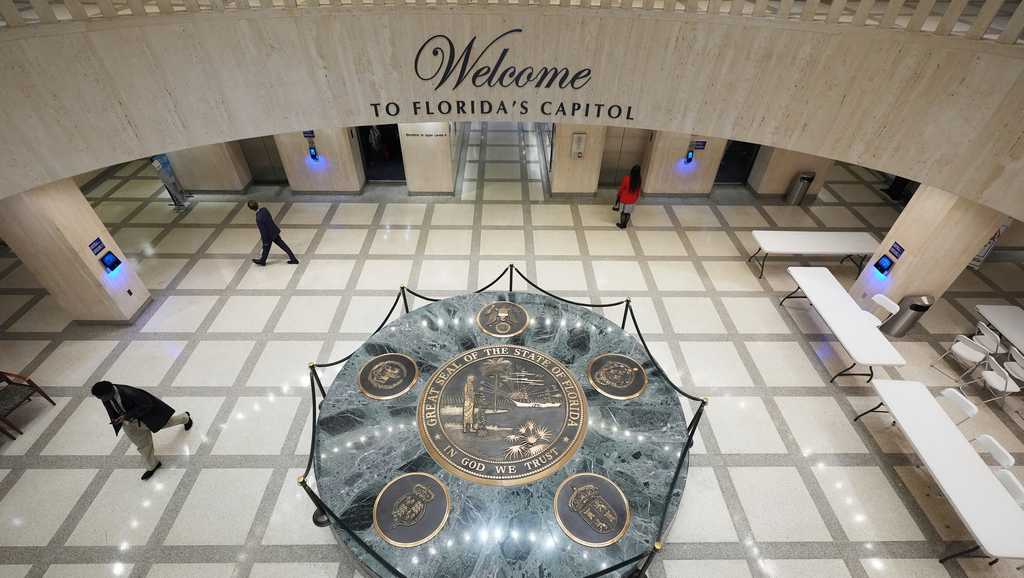
Florida’s 2026 legislative session is officially underway, launching a wave of high‑impact bills targeting property insurance reform, a proposal to eliminate property taxes, new education attendance requirements, and even an AI Bill of Rights. With over a hundred bills already filed, real estate agents, investors, insurers, educators, and other licensed professionals can expect significant regulatory shifts that may reshape Florida’s housing market, insurance costs, and professional compliance standards.
Warren Buffett’s timeless investing wisdom is more relevant than ever in 2026. Despite decades of market change, his core lesson remains the same: long‑term conviction outperforms short‑term prediction. From embracing occasional underperformance to avoiding emotional decisions, Buffett’s philosophy highlights why deep understanding and steady confidence are more valuable than trying to forecast market swings. This mindset isn’t just for investors—it’s a guiding principle for professionals looking to grow their careers with clarity and purpose.