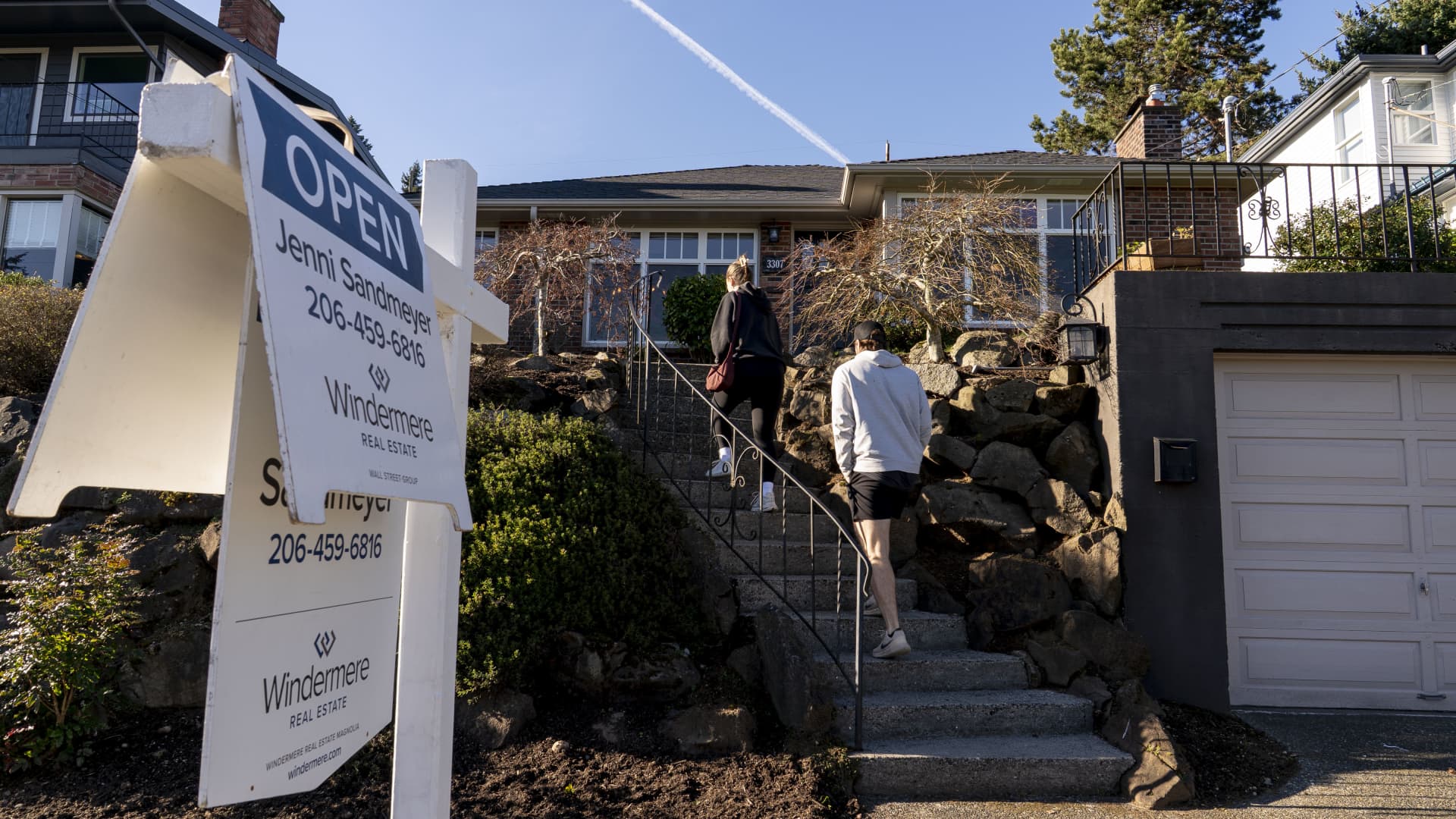
January Home Sales Plunge 8.4% as Realtors Warn of a “New Housing Crisis”
The U.S. housing market kicked off the year with turbulence, as January home sales fell a steep 8.4% from December—far more than analysts expected. According to the National Association of Realtors (NAR), the annualized pace of existing home sales slid to just 3.91 million, marking the slowest pace since December 2023 and the sharpest monthly drop since early 2022.
Lawrence Yun, Chief Economist for NAR, didn’t mince words. He called today’s market conditions “a new housing crisis.” His reasoning? “The movement is not happening. Americans are stuck,” Yun explained, noting that renters in particular are unable to participate in long‑term housing wealth.
What’s Behind the Sudden Drop?
Mortgage rates barely budged during late 2025, hovering around 6.1% for a 30‑year fixed mortgage. Although that number has come down slightly and affordability has technically improved—wage growth has outpaced home price gains—inventory remains the major roadblock.
Supply continues to falter. January inventory dipped from December levels but still sits 3.4% higher than last year. With just a 3.7‑month supply of homes available, the market is nowhere near the balanced 6‑month mark that favors both buyers and sellers.
Prices Still Climb—And Homes Take Longer to Sell
Despite the slowdown in sales, prices continue their steady rise. January’s median home price hit a new record of $396,800—almost 1% higher than the same period last year. Homes are now spending an average of 46 days on the market, up from 41 days a year ago.
First‑time buyers made up 31% of sales in January, an increase from 28% last year. Yet affordability remains a significant hurdle, especially for entry‑level homes. Sales dropped most sharply in the sub‑$250,000 segment, while the $1‑million‑plus range was the only tier to show year‑over‑year growth.
A Market in Motion—Just Not Enough Motion
Regionally, January sales were down across all major areas, with the steepest declines in the South and West. For active and aspiring real estate professionals—especially in fast‑moving states like Florida—this market calls for adaptability, continuous learning, and sharp market awareness. At Cameron Academy, more students than ever are using market volatility as a catalyst to strengthen their credentials and stay competitive in the evolving real estate landscape.
Stay Ahead of the Market
For real‑time housing insights, CNBC remains one of the most reliable sources in the industry. You can explore their full report and even subscribe to their weekly investor newsletter, Property Play, using the links below.
As the 2026 market unfolds, staying informed—and prepared—will be the key to success, whether you’re an investor, a homeowner, or a professional shaping your future through education at Cameron Academy.
Select options
This product has multiple variants. The options may be chosen on the product page
Details
More Articles
Getting licensed or staying ahead in your career can be a journey—but it doesn’t have to be overwhelming. Grab your favorite coffee or tea, take a moment to relax, and browse through our articles. Whether you’re just starting out or renewing your expertise, we’ve got tips, insights, and advice to keep you moving forward. Here’s to your success—one sip and one step at a time!
The debut episode of NAR’s Change Agents podcast highlights why real estate expertise is more valuable than ever in an AI-driven world. eXp Realty CEO Leo Pareja explains that while technology accelerates communication and connections, consumers still rely on seasoned professionals to guide them through life’s biggest financial decisions. From the Everest analogy to real-world AI success stories, the conversation reveals how trust, transparency, and expert guidance remain the core of the real estate experience.
U.S. 30‑year mortgage rates have dipped to 5.98%, breaking below 6% for the first time since 2022. This third consecutive weekly decline signals a potentially energized spring buying season as lower Treasury yields and easing market anxiety push rates down. Buyers, sellers, and real estate professionals may see renewed activity as affordability slightly improves and refinancing picks up momentum.
A sweeping federal reporting requirement is about to impact how companies, trusts, investors, and even cash buyers purchase residential real estate. FinCEN’s new rule closes long‑standing loopholes that allowed anonymous all‑cash property deals, requiring many entity-based buyers to disclose their true beneficial owners. Real estate agents, brokers, and advisors should brace for workflow changes and increased compliance responsibilities, while investors are urged to review their acquisition structures now to avoid delays once the rule takes effect.
After briefly dipping below 6 percent for the first time in years, mortgage rates have surged again following U.S.-Israeli military strikes on Iran. Rising oil prices and a jump in Treasury yields have pushed the average 30-year fixed rate back to 6.12 percent, creating fresh uncertainty just as the spring housing market was gaining traction. Experts warn that continued geopolitical instability could keep rates elevated, while upcoming U.S. employment data may determine whether relief is on the horizon for buyers and sellers.
New 2026 data reveals that the average life insurance policy costs just 26 dollars a month—less than most lunch outings—making it more affordable than many professionals expect. Rates vary based on age, health, gender, smoking habits, and term length, with younger and healthier applicants paying significantly less. As real estate, mortgage, insurance, and finance professionals plan long-term financial stability, understanding these pricing factors is crucial.