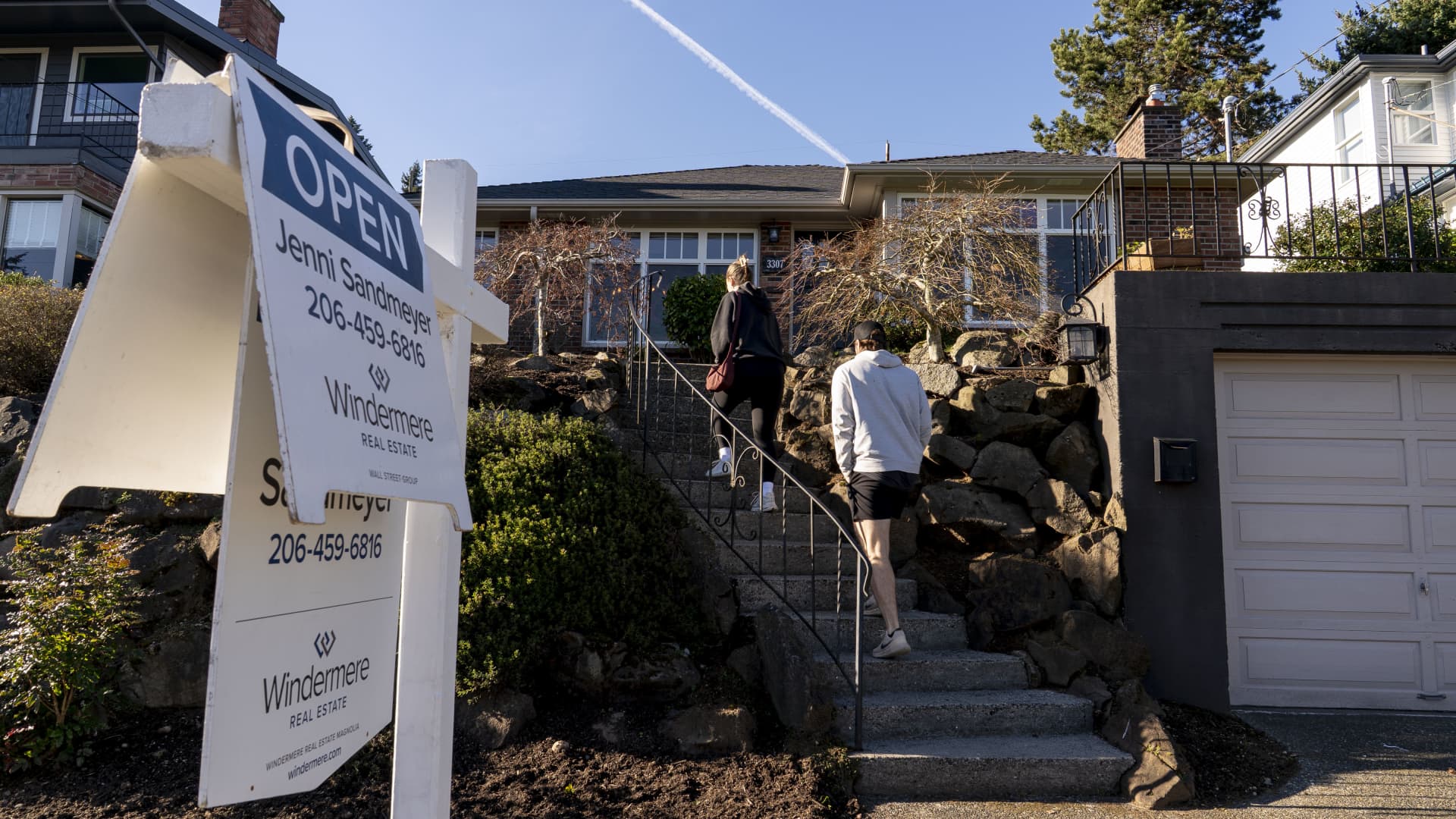
January Home Sales Plunge 8.4% as Realtors Warn of a “New Housing Crisis”
The U.S. housing market kicked off the year with turbulence, as January home sales fell a steep 8.4% from December—far more than analysts expected. According to the National Association of Realtors (NAR), the annualized pace of existing home sales slid to just 3.91 million, marking the slowest pace since December 2023 and the sharpest monthly drop since early 2022.
Lawrence Yun, Chief Economist for NAR, didn’t mince words. He called today’s market conditions “a new housing crisis.” His reasoning? “The movement is not happening. Americans are stuck,” Yun explained, noting that renters in particular are unable to participate in long‑term housing wealth.
What’s Behind the Sudden Drop?
Mortgage rates barely budged during late 2025, hovering around 6.1% for a 30‑year fixed mortgage. Although that number has come down slightly and affordability has technically improved—wage growth has outpaced home price gains—inventory remains the major roadblock.
Supply continues to falter. January inventory dipped from December levels but still sits 3.4% higher than last year. With just a 3.7‑month supply of homes available, the market is nowhere near the balanced 6‑month mark that favors both buyers and sellers.
Prices Still Climb—And Homes Take Longer to Sell
Despite the slowdown in sales, prices continue their steady rise. January’s median home price hit a new record of $396,800—almost 1% higher than the same period last year. Homes are now spending an average of 46 days on the market, up from 41 days a year ago.
First‑time buyers made up 31% of sales in January, an increase from 28% last year. Yet affordability remains a significant hurdle, especially for entry‑level homes. Sales dropped most sharply in the sub‑$250,000 segment, while the $1‑million‑plus range was the only tier to show year‑over‑year growth.
A Market in Motion—Just Not Enough Motion
Regionally, January sales were down across all major areas, with the steepest declines in the South and West. For active and aspiring real estate professionals—especially in fast‑moving states like Florida—this market calls for adaptability, continuous learning, and sharp market awareness. At Cameron Academy, more students than ever are using market volatility as a catalyst to strengthen their credentials and stay competitive in the evolving real estate landscape.
Stay Ahead of the Market
For real‑time housing insights, CNBC remains one of the most reliable sources in the industry. You can explore their full report and even subscribe to their weekly investor newsletter, Property Play, using the links below.
As the 2026 market unfolds, staying informed—and prepared—will be the key to success, whether you’re an investor, a homeowner, or a professional shaping your future through education at Cameron Academy.
More Articles
Getting licensed or staying ahead in your career can be a journey—but it doesn’t have to be overwhelming. Grab your favorite coffee or tea, take a moment to relax, and browse through our articles. Whether you’re just starting out or renewing your expertise, we’ve got tips, insights, and advice to keep you moving forward. Here’s to your success—one sip and one step at a time!
Investors worldwide are redeploying capital, embracing more active deal structures, and expanding into new regions as the 2026 market takes shape. Data centers, revived office demand, and global diversification are driving a major shift—creating fresh opportunities for real estate, mortgage, and finance professionals who understand where capital is heading next.
Florida homeowners now pay an average of $5,838 per year for insurance—about $3,000 more than the national average—pushing many families to the financial brink. Residents report premiums tripling, claims being severely underpaid, and insurers dropping policies at one of the highest rates in the country. As frustration mounts, lawmakers and industry experts are calling for sweeping reforms to curb rising costs, increase accountability, and stabilize a market that’s reshaping real estate decisions across the state.
Florida’s insurance market has hit a major turning point. Citizens Property Insurance—once the state’s largest insurer with 1.4 million policies—has shed more than 900,000 policies as private insurers return in force. Driven by Florida’s depopulation program and the arrival of 17 new companies, nearly 200,000 policies shifted to private carriers in October alone, with about 40 percent offering lower premiums. The shift signals rising competition, stabilizing rates, and new opportunities for homeowners and industry professionals navigating Florida’s evolving insurance landscape.
The National Association of REALTORS® has approved 18 major updates to modernize its MLS policies—the largest overhaul in two decades. Announced at NAR NXT in Houston and set to take effect in January 2026, the changes aim to streamline MLS operations, improve enforcement clarity, and better align policies with how today’s real estate professionals actually work.
Inhabit has rolled out a powerful lineup of AI-driven leasing, marketing, fraud prevention, and compliance tools designed to streamline operations and protect property teams from growing risks. From hybrid AI leasing assistants to instant income verification and upcoming portfolio-wide lease audits, these innovations aim to cut costs, eliminate inefficiencies, and strengthen regulatory confidence across the multifamily industry.
Florida’s latest round of insurance reforms was meant to calm a volatile market, yet many experts warn the same deep structural problems remain. Homeowners are being pushed from Citizens into higher‑priced, lightly capitalized private insurers, ratings agencies face scrutiny for inflated grades, and political influence clouds oversight. For real estate and insurance professionals, these trends signal ongoing risk, rising costs, and a market in need of a complete rebuild.