Japanese Startups Revolutionizing Cancer Treatment with AI and Ultrasound
In a world where the World Health Organization has projected a staggering increase in cancer cases by 2050, Japan is at the forefront of pioneering solutions to combat this looming crisis. With an anticipated rise to 35 million new cancer cases globally, innovative Japanese startups are leveraging cutting-edge technologies to revolutionize cancer diagnosis and treatment.
AI Medical Service: Enhancing Cancer Detection
AI Medical Service, a Tokyo-based startup, is spearheading the use of artificial intelligence in medical diagnostics. Their gastroAI model-G is designed to assist doctors by analyzing gastroscopy images in real-time, identifying potential lesions that might be missed during initial examinations. According to recent studies, nearly 800,000 individuals in the U.S. face severe consequences due to late cancer detection. AI Medical Service aims to mitigate such risks by offering a second pair of eyes that never tires, as highlighted by CEO Tada Tomohiro.
The company’s innovations have not gone unnoticed. AI Medical Service was featured in Forbes Asia’s 100 to Watch list, a testament to their potential in transforming healthcare.
SONIRE Therapeutics: A New Hope for Pancreatic Cancer
On the other side of Tokyo, SONIRE Therapeutics is making strides with its high-intensity focused ultrasound (HIFU) technology. This non-invasive technique targets pancreatic cancer cells with precision, offering a promising alternative to traditional radiotherapy. The use of HIFU is particularly groundbreaking for pancreatic cancer, which is often diagnosed too late for surgical intervention.
SONIRE’s approach, which utilizes cavitation to enhance treatment accuracy, has been recognized by the U.S. FDA as a breakthrough device. The company is currently conducting a world-first randomized trial to further validate the efficacy of their technology. As CEO Satoh Tohru notes, the goal is to offer a more effective and safer cancer treatment to patients worldwide.
These Japanese startups are not only advancing medical technology but also providing hope for millions of cancer patients globally. As the world braces for a surge in cancer cases, innovations from companies like AI Medical Service and SONIRE Therapeutics could be pivotal in changing the landscape of cancer treatment.
Read the full article on Forbes.
More Articles
Getting licensed or staying ahead in your career can be a journey—but it doesn’t have to be overwhelming. Grab your favorite coffee or tea, take a moment to relax, and browse through our articles. Whether you’re just starting out or renewing your expertise, we’ve got tips, insights, and advice to keep you moving forward. Here’s to your success—one sip and one step at a time!
The title insurance industry is entering 2026 with a renewed focus on technology, operational efficiency, and stronger agent support after years of volatility. Leaders from major underwriters report rising transaction activity, improved affordability, and a surge in automation and fraud‑prevention tools—signs that smarter systems and better training will define the next wave of growth.
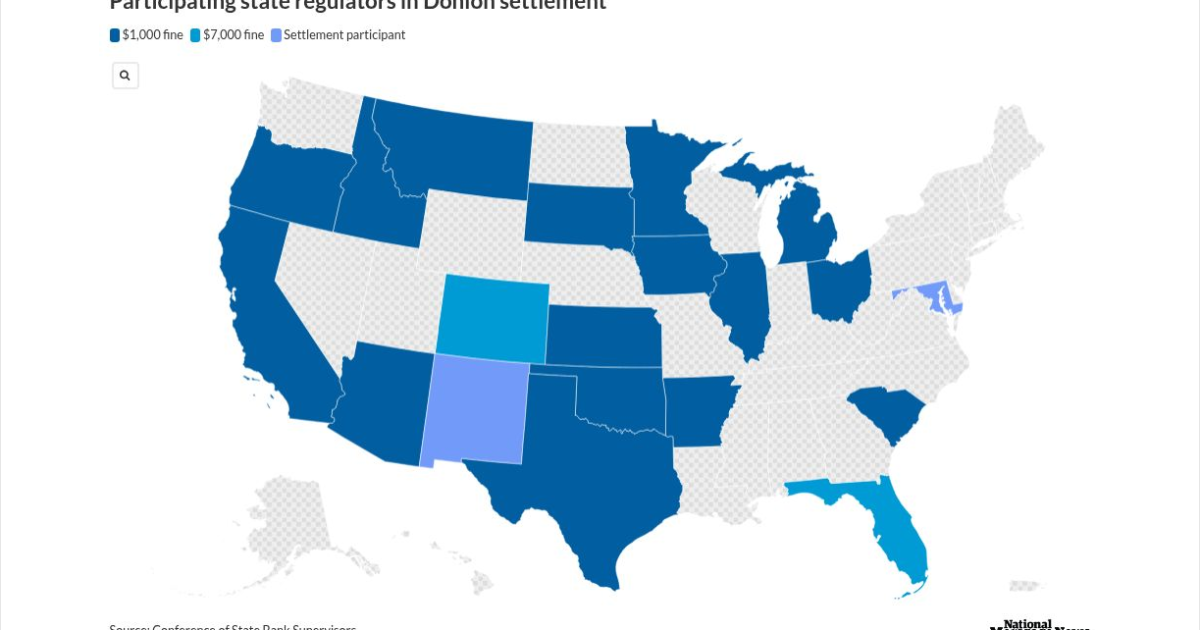
A multistate crackdown has sent shockwaves through the mortgage industry as Patrick Terrance Donlon, CEO of Trusted American Mortgage, accepted a sweeping settlement that bans him from working as a mortgage loan originator in 21 states—19 of them permanently. Regulators say Donlon had another individual complete his mandatory licensing and continuing‑education courses, a violation that triggered a coordinated investigation and a $31,000 penalty. The case underscores regulators’ growing intolerance for education fraud and serves as a sharp reminder to industry professionals: cutting corners on licensing can end careers.
Florida’s once‑booming housing market is cooling fast as rising insurance premiums, increasing foreclosures, and expanding flood zones push buyers to back out of deals and force sellers to cut prices. With insurance now adding thousands to annual housing costs, professionals across real estate, mortgage, and insurance are navigating a dramatically shifting landscape that’s redefining affordability in the Sunshine State.
Florida begins 2026 with a wave of more than 250 new laws now in effect, impacting healthcare, insurance, real estate, and consumer protections statewide. From free breast cancer screenings for state employees to tighter pet insurance regulations, mandatory healthcare refund rules, enhanced animal‑cruelty penalties, and new condo‑management requirements, these updates carry major implications for professionals navigating Florida’s evolving regulatory landscape.
Florida’s barrier islands may offer postcard-perfect beaches and soaring real estate demand, but they’re also some of the most fragile and costly places to build in the United States. With 765,000 residents living on land that shifts, sinks, and takes the brunt of every major hurricane, the financial and insurance risks are accelerating fast. From billion‑dollar beach rebuilds to towers settling into the sand, today’s coastal development challenges are reshaping conversations around property values, disclosure, and long‑term resilience. For real estate professionals, understanding these risks isn’t just smart — it’s becoming essential.
A Cedar City development is turning heads with its fresh approach to affordability. The team behind Temple View Commons is delivering luxury‑inspired twin homes at prices below the local median by using a small, hands‑on staff and cutting traditional costs like realtor commissions. In a tight Utah housing market where inventory is scarce and prices remain high, their strategy offers a realistic path to homeownership without sacrificing high‑end finishes.


 The company’s innovations have not gone unnoticed. AI Medical Service was featured in
  SONIRE’s approach, which utilizes cavitation to enhance treatment accuracy, has been recognized by the U.S. FDA as a breakthrough device. The company is currently conducting a world-first randomized trial to further validate the efficacy of their technology. As CEO Satoh Tohru notes, the goal is to offer a more effective and safer cancer treatment to patients worldwide.
 These Japanese startups are not only advancing medical technology but also providing hope for millions of cancer patients globally. As the world braces for a surge in cancer cases, innovations from companies like AI Medical Service and SONIRE Therapeutics could be pivotal in changing the landscape of cancer treatment.
 Title Insurance Leaders Double Down on Tech and Efficiency to Drive 2026 Market Momentum Gallery