Jersey City Emerges as Top Pick for 2024 Apartment Investments
In an unexpected turn of events, Jersey City, New Jersey, has claimed the spotlight as the premier destination for apartment investments in 2024, according to the Urban Land Institute’s (ULI) annual “Emerging Trends” report. This finding defies the narrative of population decline in the broader New York City area, highlighting the resilience and appeal of the apartment market.
Jersey City’s ascent to the top of the investment charts reflects a broader shift in investor sentiment that began in 2022. As rent growth slows in Sunbelt markets, where apartment construction has surged, attention has turned to the Northeast and Midwest, where rent growth remains strong. This shift is underscored by the fact that New York City, despite losing approximately 468,000 residents between 2020 and 2022, maintains a low vacancy rate of about 2.5%, as reported by Cushman & Wakefield.
Sam Tenenbaum, a multifamily economist at Cushman & Wakefield, explains, “New York City is the tightest market in the country from a vacancy standpoint, so renters are being pushed out to New Jersey, which has some of the strongest rent growth in the country at the moment.”
The Big Apple’s Population Puzzle
While New York City has seen a significant population decline, the demand for apartments remains robust. The city’s population, now at 8.33 million, is down from 8.8 million in mid-2020, yet the metro area, including Jersey City, still boasts 19.6 million residents. Tenenbaum attributes this paradox to household growth driving apartment demand, coupled with limited new construction and nominal job growth.
Interestingly, the ULI report indicates a muted enthusiasm for apartment investments in 2024 compared to 2023, largely due to higher interest rates. However, the Northeast and Midwest are leading the nation in rent growth, making them attractive targets for investors.
Investment Trends and Recommendations
In ULI’s survey, 61% of respondents recommended buying in Jersey City for 2024. Brooklyn, which topped the list last year, received a 53% buy recommendation for the coming year. Other notable mentions include Madison, Wisconsin, and Columbus, Ohio, which are also gaining investor interest.
Conversely, many Sunbelt metro areas have fallen out of favor. Cities like Jacksonville, Tampa, and Miami did not make the ULI’s top 20 list, leaving West Palm Beach as the sole representative from Florida. This shift highlights a changing landscape in real estate investment, where performance is now being measured against national standards.
For a deeper dive into these trends, you can read the full Forbes article by Richard Lawson.
More Articles
Getting licensed or staying ahead in your career can be a journey—but it doesn’t have to be overwhelming. Grab your favorite coffee or tea, take a moment to relax, and browse through our articles. Whether you’re just starting out or renewing your expertise, we’ve got tips, insights, and advice to keep you moving forward. Here’s to your success—one sip and one step at a time!
After years of soaring premiums and insurer instability, Florida’s property insurance market is finally turning a corner. Major carriers have filed 83 requests for rate decreases heading into 2026, with companies like Florida Peninsula and Patriot Select proposing cuts of 8.4% and 11.3%. Some homeowners may see relief as early as next month, signaling a long‑awaited shift toward market stability.
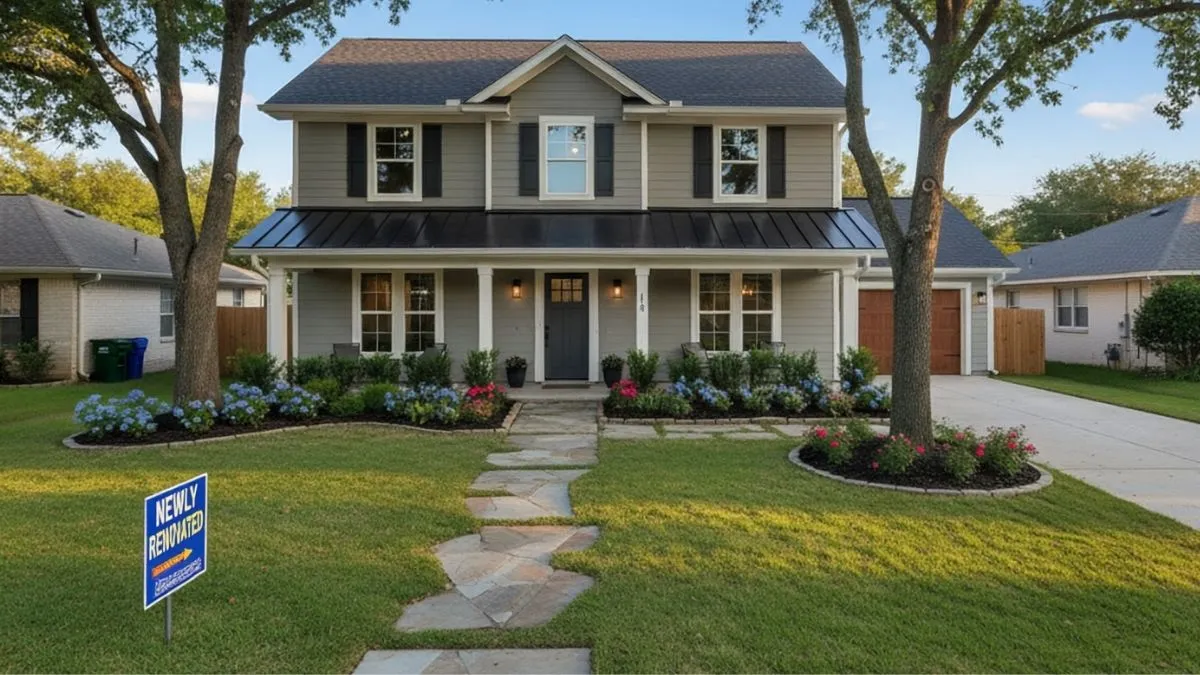
Fix-and-flip investing is gearing up for one of its strongest years in a decade as 2026 approaches. With cheaper capital, more accessible funding, easing interest rates, and long-awaited increases in housing inventory, investors are finding the perfect environment to launch or scale renovation-based real estate businesses. Renovation continues to outpace new construction in cost and speed, and demand for move-in-ready homes remains high, making 2026 a powerful opportunity window for both new and experienced investors.
After a short-lived period of relief in 2025, the U.S. rental market may be headed for a tighter, more expensive 2026. With construction starts dropping nearly 11% and completions plunging 42%, the surge of new apartments that helped lower rents is rapidly drying up. Rising costs, shrinking inventory, and a slowdown in new development point to a potential rental crunch that could leave renters facing heavier competition and higher prices across major markets next year.
The commercial real estate market is entering a rare reset that experts say mirrors the post‑2008 boom, creating a potential window for disciplined investors. With trillions in commercial debt coming due and property values dropping up to 40%, firms like AARE are positioning themselves to acquire assets below replacement cost—an advantage that could set the stage for significant long‑term growth.
Commercial real estate is entering a reinvention phase, with AI‑driven productivity, modernized office demand, experience‑focused retail, expanding industrial logistics, creative housing solutions, and sustainability‑centered design all accelerating nationwide. These six forces are shaping how investors, brokers, and future licensees will operate in a rapidly evolving U.S. market.
After years of economic uncertainty and cautious decision‑making, 2026 is shaping up to be the year professionals finally catch a break. AI is moving from buzzword to essential tool, capital markets are beginning to thaw, and hiring is picking up across real estate, mortgage, insurance, finance, and healthcare. With opportunity returning, many professionals are using this moment to upskill—pursuing new licenses, certifications, and cross‑industry expertise.