In a surprising turn of events, Jersey City, New Jersey, has emerged as the top prospect for apartment investment in 2024, according to real estate professionals surveyed for the Urban Land Institute’s “Emerging Trends” report. This finding comes amid a backdrop of population decline in the New York metro area, yet the region’s apartment market remains robust.

Exchange place neighborhood in jersey city, new jersey

Despite losing approximately 400,000 residents between 2020 and 2022, the New York City metro area, which includes Jersey City, continues to thrive in the real estate market. The New York City vacancy rate stands at a mere 2.5%, a figure that underscores the ongoing demand driven by household growth rather than sheer population numbers.

According to Cushman & Wakefield data, the New York City metro area is currently constructing over 61,000 apartment units, the highest in the country. However, this construction boom is proportionally smaller compared to the existing number of units, unlike in Miami where vacancy rates have surpassed 7%.

The ULI’s report indicates a shift in investor interest towards the Northeast and Midwest regions, which are now leading the country in rent growth. This trend is partly due to muted buy recommendations for 2024, influenced by high interest rates that have dampened apartment investment sales.

Interestingly, Jersey City secured a 61% buy recommendation for 2024, surpassing Brooklyn’s 53%, which had held the top spot previously. This marks a significant change in investor sentiment, with Sunbelt metros losing favor, as evidenced by the drop of cities like Jacksonville, Tampa, and Miami from the top 20 list.

As investors navigate these shifts, the report highlights the importance of strategic decisions in a landscape marked by economic uncertainties. The focus on regions with steady rent growth and manageable construction pipelines offers a glimpse into the evolving dynamics of the apartment investment market.

CSS Styling

More Articles

Getting licensed or staying ahead in your career can be a journey—but it doesn’t have to be overwhelming. Grab your favorite coffee or tea, take a moment to relax, and browse through our articles. Whether you’re just starting out or renewing your expertise, we’ve got tips, insights, and advice to keep you moving forward. Here’s to your success—one sip and one step at a time!

Unlocking Real Estate Wealth in 2025: Strategies for Success

Step into 2025, where the real estate market emerges as a resilient beacon amidst economic unpredictability. Investors are increasingly drawn to secondary cities like Austin and Manchester, attracted by their growth potential, affordability, and enhanced quality of life.

By |February 18, 2025|Categories: Article, Investment Strategies, Real Estate|Tags: , |0 Comments

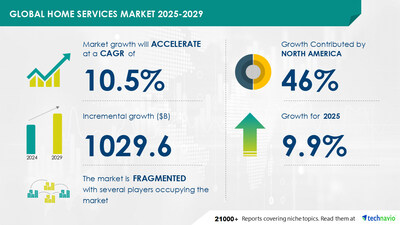
AI and Urbanization Drive Home Services Market Growth

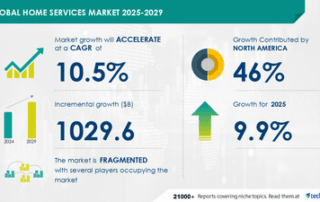
The global home services market is poised for significant growth, with projections indicating an increase of USD 1.03 trillion from 2025 to 2029. This forecasted expansion is attributed to increasing urbanization and the transformative impact of AI on market trends, according to a recent report by Technavio.

Decoding the U.S. Housing Crisis: A Study of Historic Policy Missteps and Demographic Shift

In a revealing study by USC, the roots of the current housing crisis in the United States are traced back to policy missteps and demographic changes that have been unfolding since the early 2000s. The study highlights how these factors have left millennials and people of color disproportionately affected.

Best Real Estate Crowdfunding Platforms for February 2025: Investopedia’s Top Picks

Fundrise stands out for offering investors a chance to diversify their portfolios with real estate exposure through proprietary funds. With a minimum investment as low as $10, it opens doors to beginners and seasoned investors alike.

Top Real Estate Investment Apps of 2025: A Guide for First-Time and Experienced Investors

Business Insider has reviewed a range of platforms available in 2025, focusing on key factors like fees, accessibility for accredited vs. non-accredited investors, and the types of real estate investments offered.