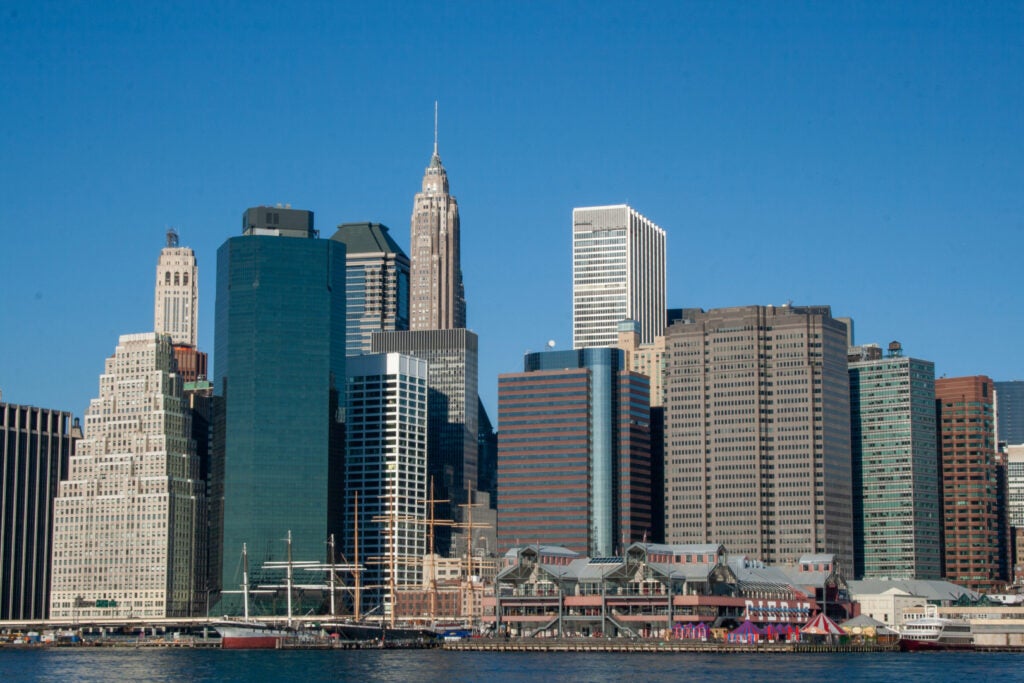
In a surprising turn of events, Jersey City, New Jersey, has emerged as the top prospect for apartment investment in 2024, according to real estate professionals surveyed for the Urban Land Institute’s “Emerging Trends” report. This finding comes amid a backdrop of population decline in the New York metro area, yet the region’s apartment market remains robust.

Exchange place neighborhood in jersey city, new jersey

Despite losing approximately 400,000 residents between 2020 and 2022, the New York City metro area, which includes Jersey City, continues to thrive in the real estate market. The New York City vacancy rate stands at a mere 2.5%, a figure that underscores the ongoing demand driven by household growth rather than sheer population numbers.

According to Cushman & Wakefield data, the New York City metro area is currently constructing over 61,000 apartment units, the highest in the country. However, this construction boom is proportionally smaller compared to the existing number of units, unlike in Miami where vacancy rates have surpassed 7%.

The ULI’s report indicates a shift in investor interest towards the Northeast and Midwest regions, which are now leading the country in rent growth. This trend is partly due to muted buy recommendations for 2024, influenced by high interest rates that have dampened apartment investment sales.

Interestingly, Jersey City secured a 61% buy recommendation for 2024, surpassing Brooklyn’s 53%, which had held the top spot previously. This marks a significant change in investor sentiment, with Sunbelt metros losing favor, as evidenced by the drop of cities like Jacksonville, Tampa, and Miami from the top 20 list.

As investors navigate these shifts, the report highlights the importance of strategic decisions in a landscape marked by economic uncertainties. The focus on regions with steady rent growth and manageable construction pipelines offers a glimpse into the evolving dynamics of the apartment investment market.

CSS Styling

More Articles

Getting licensed or staying ahead in your career can be a journey—but it doesn’t have to be overwhelming. Grab your favorite coffee or tea, take a moment to relax, and browse through our articles. Whether you’re just starting out or renewing your expertise, we’ve got tips, insights, and advice to keep you moving forward. Here’s to your success—one sip and one step at a time!

Housing Costs Surge: Navigating the 2024 Construction Material Price Hike

In an unexpected twist of economic fate, the construction industry finds itself grappling with a steep ascent in building material costs, a trend that began its climb at the dawn of 2024.

Texas High-Tech Sector Rebounds Post-Pandemic, Set for New Growth Trajectory

As the dust settles from the pandemic, Texas' high-tech sector is shaking off its post-pandemic slump and gearing up for a new growth trajectory.

Struggling Landlords Seek Relief Amid Rising Insurance Costs

In the ever-evolving landscape of commercial real estate, a new challenge has emerged, straining the resilience of landlords and developers alike. The soaring costs of insurance, exacerbated by climate-induced natural disasters, are creating a formidable obstacle for property owners. Particularly affected are coastal cities and towns, where the risk of storms and floods is high.

By |October 24, 2024|Categories: Article, Insurance, Real Estate|Tags: , |0 Comments

CDK Global’s Cyberattack Disrupts U.S. Car Dealerships

In a significant cyberattack that has disrupted operations across the United States, CDK Global, a leading provider of cloud-based software to automotive dealerships, was forced to shut down most of its systems. This incident has highlighted the vulnerabilities and rising trend of cyberattacks targeting the auto industry.

By |October 23, 2024|Categories: Article, Automotive Industry, Cybersecurity|Tags: , |0 Comments

Commercial Real Estate: A Sector Under Siege

The commercial real estate landscape has experienced seismic shifts, particularly with properties purchased prior to the Covid-19 pandemic. Many of these assets now hold diminished value compared to the loans used to acquire them.