
In a revealing study published by Forbes, job burnout has alarmingly surged to an unprecedented 66% in 2025. This increase suggests that the return-to-office (RTO) mandates might exacerbate stress levels for employees already grappling with demanding work environments.

When hard work results in a headache

The study highlights that younger employees, particularly those between the ages of 18 to 34, are experiencing the highest rates of burnout. Contributing factors include excessive work demands, insufficient resources, a challenging economic climate, and labor shortages. These elements are creating a perfect storm for stress and exhaustion in the workplace.

Moreover, the research sheds light on the growing concerns and openness towards artificial intelligence (AI) tools in the workplace. While some employees express anxiety over AI potentially replacing their roles, others see it as a tool to enhance productivity.

Key Factors Behind Job Burnout

  • Work Overload: Many employees report having more tasks than time to complete them.
  • Resource Insufficiency: A significant number of workers lack the necessary tools to perform their jobs effectively.
  • Economic Challenges: A poor economy is impacting overall well-being at work.
  • Labor Shortages: Employees are taking on extra work due to industry-wide labor shortages.

Employer Strategies to Mitigate Burnout

Experts urge employers to prioritize employee well-being to combat this rising tide of burnout. Measures such as promoting vacations and enhancing professional development opportunities are recommended. Jason Gamel, President and CEO of ARDA, emphasizes the importance of taking time off to maintain mental and physical health, reduce stress, and improve productivity.

Kimberly Marshall, Chief HR Officer at Travel + Leisure Company, points out that their mission is to encourage employees to take advantage of travel benefits, which can significantly reduce stress and prevent burnout. Similarly, Michael Yonker from Marriott Vacations Worldwide notes the transformative power of vacations in keeping employees productive and engaged.

As the workforce continues to evolve, it is crucial for companies to stay attuned to changing employee attitudes and expectations. The high rates of burnout among younger generations present an opportunity for organizations to re-prioritize employee well-being and foster a healthier work-life balance.

More Articles

Getting licensed or staying ahead in your career can be a journey—but it doesn’t have to be overwhelming. Grab your favorite coffee or tea, take a moment to relax, and browse through our articles. Whether you’re just starting out or renewing your expertise, we’ve got tips, insights, and advice to keep you moving forward. Here’s to your success—one sip and one step at a time!

Free Money in 2026? The Truth About the DOGE Dividend Stimulus Check

The DOGE Dividend: What You Need to Know About the Proposed 2026 Stimulus Check Hey there! If you’ve been wondering #ReadMore

Navigating Seller’s Market: Twin Cities Housing Trends and Predictions for 2024

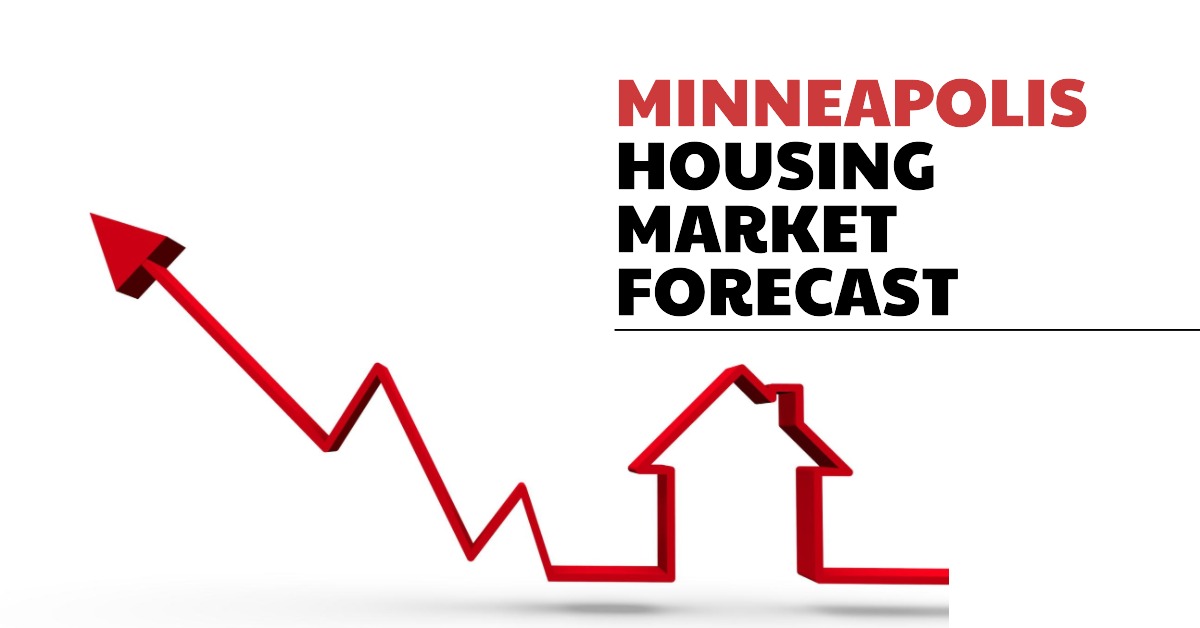
The Minneapolis housing market is currently navigating a complex terrain, marked by a curious blend of optimism and caution. In 2024, home sales in the Twin Cities area experienced a modest uptick of 1.8%.

Future Homes: Sustainability and Smart Technology Shaping Real Estate

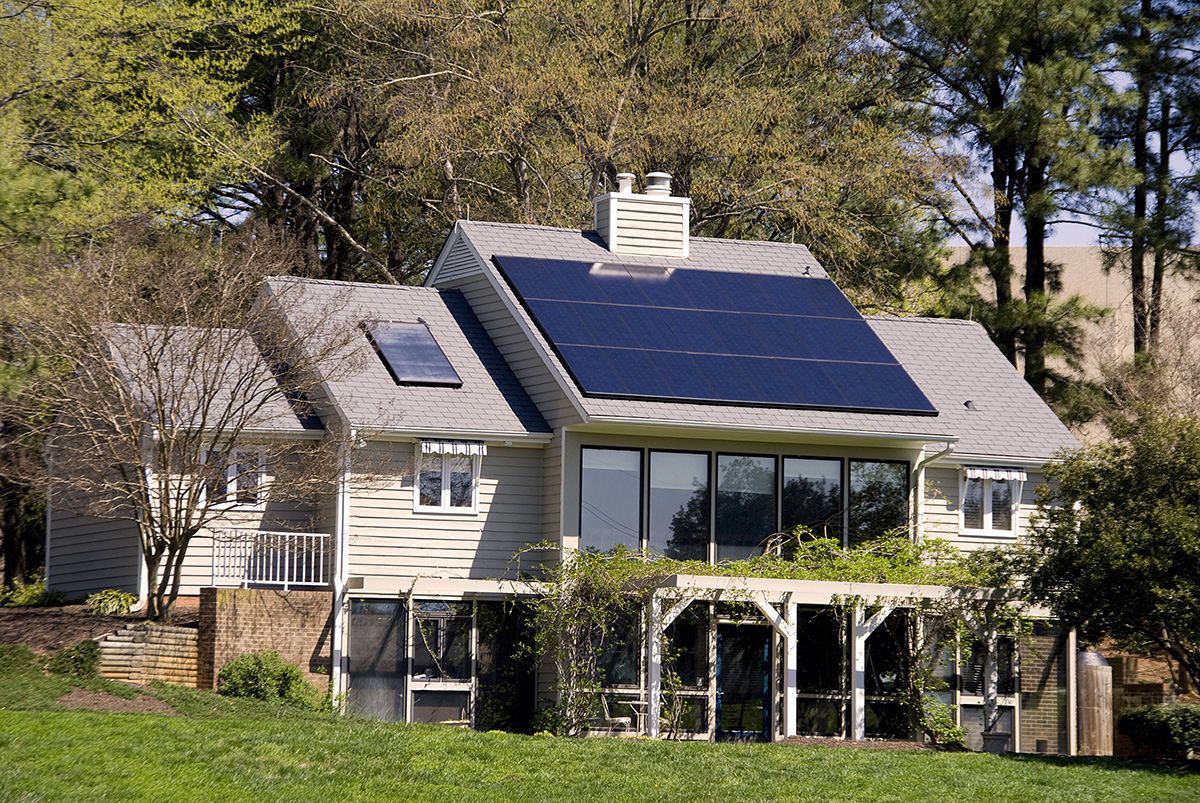
In the ever-evolving landscape of real estate, two groundbreaking trends are shaping the homes of tomorrow: sustainability and smart home technology. As consumers become increasingly aware of their environmental impact and as technology continues to advance at lightning speed, these trends are significantly influencing buying decisions in the residential real estate market.

By |February 25, 2025|Categories: Article, Real Estate, Technology|Tags: , |0 Comments

Harvard Study Projects Dramatic Slowdown in U.S. Household Growth

In a comprehensive analysis by Harvard's Joint Center for Housing Studies, there is a projected increase of 8.6 million households in the United States from 2025 to 2035. This equates to approximately 860,000 new households per year, marking a significant deceleration compared to the post-Great Recession era, which saw a sluggish yet larger gain of 10.1 million households.

By |February 24, 2025|Categories: Article, Demographics, Housing|Tags: , |0 Comments

AI Revolutionizing Real Estate: Predicting Trends and Values

The real estate industry, often seen as conservative, is gradually embracing technological advancements with AI leading the charge. Generative AI is already revolutionizing real estate marketing by enhancing customer experiences and optimizing content creation.

By |February 24, 2025|Categories: Article, Real Estate, Technology/AI|Tags: , |0 Comments

In-Person Work Policies: A Beacon of Hope for Commercial Real Estate

With office occupancy plummeting by 90% from February to March 2020, the impact of remote work was palpable. However, the researchers found that hybrid mandates and adding more in-office days could mitigate some of these challenges.