
In a revealing study published by Forbes, job burnout has alarmingly surged to an unprecedented 66% in 2025. This increase suggests that the return-to-office (RTO) mandates might exacerbate stress levels for employees already grappling with demanding work environments.

When hard work results in a headache

The study highlights that younger employees, particularly those between the ages of 18 to 34, are experiencing the highest rates of burnout. Contributing factors include excessive work demands, insufficient resources, a challenging economic climate, and labor shortages. These elements are creating a perfect storm for stress and exhaustion in the workplace.

Moreover, the research sheds light on the growing concerns and openness towards artificial intelligence (AI) tools in the workplace. While some employees express anxiety over AI potentially replacing their roles, others see it as a tool to enhance productivity.

Key Factors Behind Job Burnout

  • Work Overload: Many employees report having more tasks than time to complete them.
  • Resource Insufficiency: A significant number of workers lack the necessary tools to perform their jobs effectively.
  • Economic Challenges: A poor economy is impacting overall well-being at work.
  • Labor Shortages: Employees are taking on extra work due to industry-wide labor shortages.

Employer Strategies to Mitigate Burnout

Experts urge employers to prioritize employee well-being to combat this rising tide of burnout. Measures such as promoting vacations and enhancing professional development opportunities are recommended. Jason Gamel, President and CEO of ARDA, emphasizes the importance of taking time off to maintain mental and physical health, reduce stress, and improve productivity.

Kimberly Marshall, Chief HR Officer at Travel + Leisure Company, points out that their mission is to encourage employees to take advantage of travel benefits, which can significantly reduce stress and prevent burnout. Similarly, Michael Yonker from Marriott Vacations Worldwide notes the transformative power of vacations in keeping employees productive and engaged.

As the workforce continues to evolve, it is crucial for companies to stay attuned to changing employee attitudes and expectations. The high rates of burnout among younger generations present an opportunity for organizations to re-prioritize employee well-being and foster a healthier work-life balance.

More Articles

Getting licensed or staying ahead in your career can be a journey—but it doesn’t have to be overwhelming. Grab your favorite coffee or tea, take a moment to relax, and browse through our articles. Whether you’re just starting out or renewing your expertise, we’ve got tips, insights, and advice to keep you moving forward. Here’s to your success—one sip and one step at a time!

Artificial Intelligence in Diagnostics: A Revolution in Healthcare

The global market for artificial intelligence in diagnostics is poised for remarkable growth, with projections estimating it to reach USD 7.3 billion by 2032.

By |December 10, 2024|Categories: Article, Artificial Intelligence, Healthcare|Tags: , |0 Comments

Revolutionizing Medical Education with Extended Reality

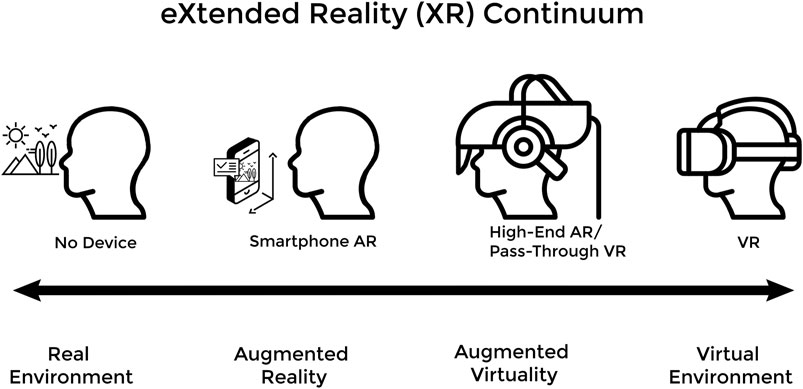
In the ever-evolving landscape of medical education, a new player has emerged, promising to revolutionize the way future doctors are trained. The integration of eXtended Reality (XR) technologies is reshaping the educational landscape by addressing the limitations of traditional methods.

Genetic Testing: A New Dawn in Healthcare

Genetic testing represents more than just a scientific advancement; it signifies a fundamental shift in how we approach health and wellness.

Sustainable Architecture: Blending Innovation with Ecological Responsibility

The journey toward sustainable architecture is ongoing, with each project serving as a beacon of what's achievable when creativity meets ecological awareness.

By |December 9, 2024|Categories: Architecture, Article, Sustainability|Tags: |0 Comments

AI in Clinical and Molecular Diagnostics: A Market on the Rise

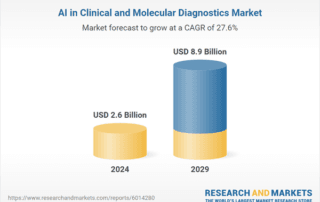
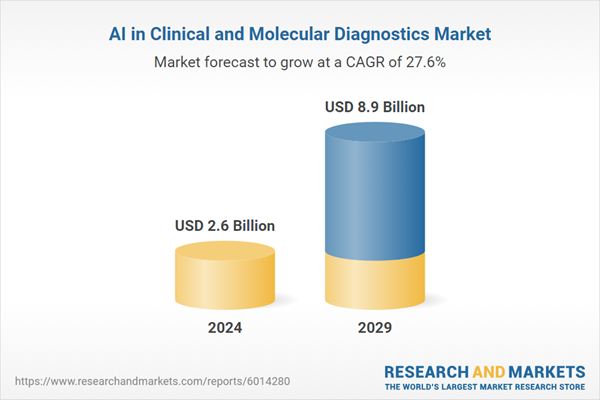
AI in Clinical and Molecular Diagnostics Market is set to experience remarkable growth, projected to surge from USD 2.6 billion in 2024 to USD 8.9 billion by 2029. This growth is driven by the integration of advanced AI technologies such as machine learning and deep learning into traditional diagnostic methodologies like imaging, genomics, and laboratory testing.

AI: A Revolution in Healthcare’s Future

AI is not a distant dream but a present reality, already integrated into everyday life through virtual assistants like Alexa and Siri. AI shows promise in enhancing medical accuracy, such as in predicting mesothelioma survival and improving colonoscopy accuracy, it is not intended to replace healthcare professionals.