In a revealing study published by Forbes, job burnout has alarmingly surged to an unprecedented 66% in 2025. This increase suggests that the return-to-office (RTO) mandates might exacerbate stress levels for employees already grappling with demanding work environments.

When hard work results in a headache

The study highlights that younger employees, particularly those between the ages of 18 to 34, are experiencing the highest rates of burnout. Contributing factors include excessive work demands, insufficient resources, a challenging economic climate, and labor shortages. These elements are creating a perfect storm for stress and exhaustion in the workplace.

Moreover, the research sheds light on the growing concerns and openness towards artificial intelligence (AI) tools in the workplace. While some employees express anxiety over AI potentially replacing their roles, others see it as a tool to enhance productivity.

Key Factors Behind Job Burnout

  • Work Overload: Many employees report having more tasks than time to complete them.
  • Resource Insufficiency: A significant number of workers lack the necessary tools to perform their jobs effectively.
  • Economic Challenges: A poor economy is impacting overall well-being at work.
  • Labor Shortages: Employees are taking on extra work due to industry-wide labor shortages.

Employer Strategies to Mitigate Burnout

Experts urge employers to prioritize employee well-being to combat this rising tide of burnout. Measures such as promoting vacations and enhancing professional development opportunities are recommended. Jason Gamel, President and CEO of ARDA, emphasizes the importance of taking time off to maintain mental and physical health, reduce stress, and improve productivity.

Kimberly Marshall, Chief HR Officer at Travel + Leisure Company, points out that their mission is to encourage employees to take advantage of travel benefits, which can significantly reduce stress and prevent burnout. Similarly, Michael Yonker from Marriott Vacations Worldwide notes the transformative power of vacations in keeping employees productive and engaged.

As the workforce continues to evolve, it is crucial for companies to stay attuned to changing employee attitudes and expectations. The high rates of burnout among younger generations present an opportunity for organizations to re-prioritize employee well-being and foster a healthier work-life balance.


More Articles

Getting licensed or staying ahead in your career can be a journey—but it doesn’t have to be overwhelming. Grab your favorite coffee or tea, take a moment to relax, and browse through our articles. Whether you’re just starting out or renewing your expertise, we’ve got tips, insights, and advice to keep you moving forward. Here’s to your success—one sip and one step at a time!

The Digital Healthcare Revolution: Transforming Patient Care with Technology

The global digital health market is set to skyrocket, with projections estimating it will reach $551.09 billion by 2027. This growth is fueled by innovations that are setting new benchmarks in healthcare delivery.

By |November 28, 2024|Categories: Article, Healthcare, Technology|Tags: , |0 Comments

University of Pennsylvania Pioneers the Planetary Health Curriculum

This innovative program equips medical students with the knowledge to understand and mitigate the effects of climate change on human health.

The Deep-Learning Triple Threat Transforming Medical Imaging

AI is being hailed as a "triple threat" in radiology, impacting planning, scanning, and diagnosis. As detailed in a recent column by Kelly Londy of GE HealthCare, these intelligent imaging systems are ushering in seismic changes reminiscent of the transformative impact of computer-assisted tomography in the late 20th century.

Federal Reserve’s Interest Rate Cut: Implications for the Housing Market

In a significant move that has captured the attention of economists and homebuyers alike, the Federal Reserve recently announced a half-percentage-point cut in interest rates. This decision is poised to bring about notable changes in the housing market, though not all effects may be beneficial for prospective homeowners.

By |November 27, 2024|Categories: Article, Economics, Real Estate|Tags: , |0 Comments

Public Perceptions of AI in Healthcare: A Balancing Act Between Innovation and Ethics

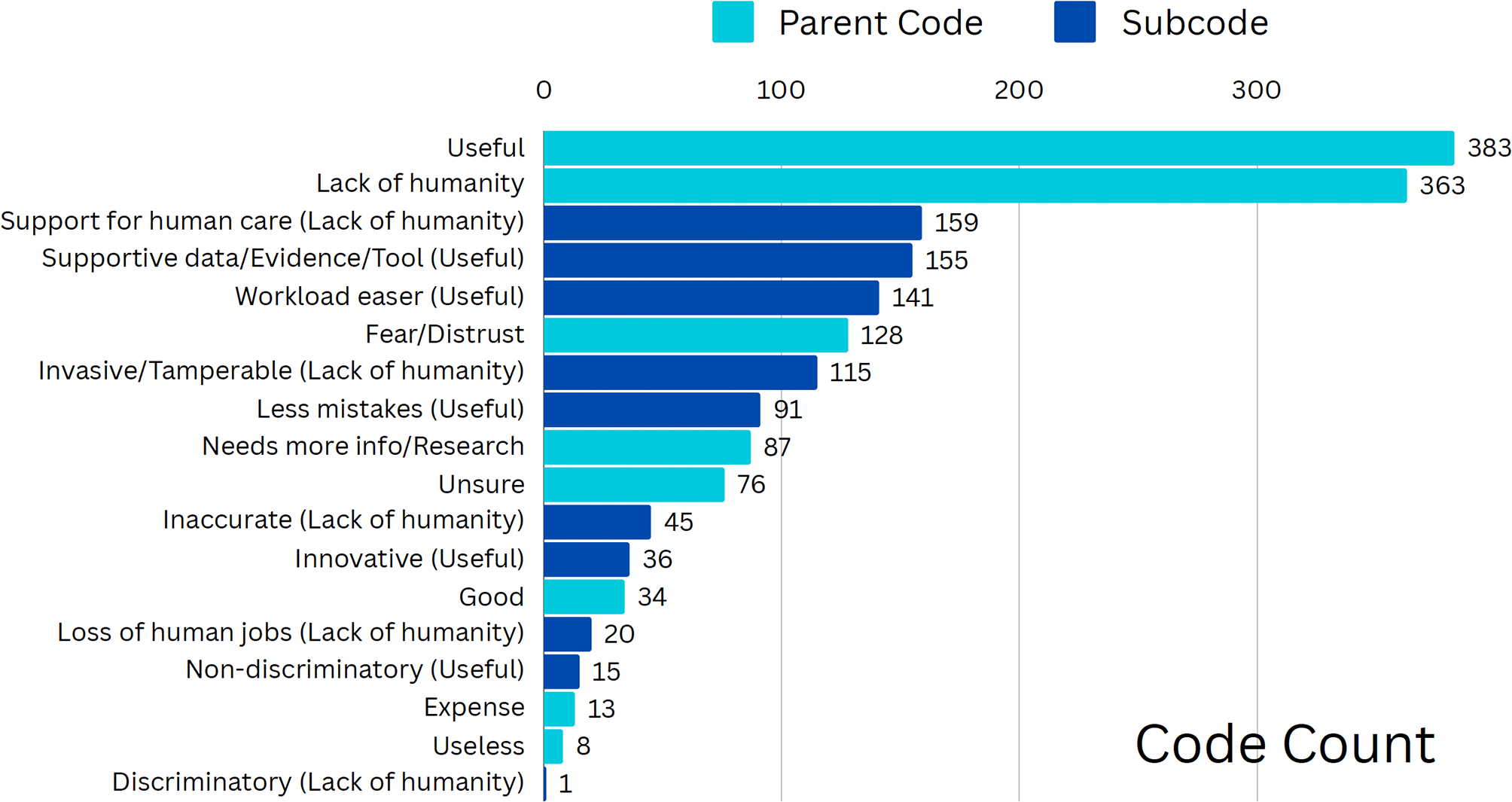
In the rapidly evolving landscape of healthcare, the integration of artificial intelligence (AI) stands as a beacon of both promise and concern. The research underscores a significant tension: while AI has the capability to enhance healthcare delivery, there is palpable unease about its impact on the traditional physician-patient relationship.

By |November 27, 2024|Categories: Article, Ethics, Healthcare|Tags: , |0 Comments

The Ethical Dilemmas of AI: A Modern Conundrum

As artificial intelligence (AI) technology advances, it presents a myriad of ethical dilemmas and challenges that demand urgent attention. The USC Annenberg School for Communication and Journalism recently explored these pressing issues, highlighting the complexities involved in AI's deployment.

By |November 27, 2024|Categories: Article, Ethics, Technology|Tags: , |0 Comments