In a revealing study published by Forbes, job burnout has alarmingly surged to an unprecedented 66% in 2025. This increase suggests that the return-to-office (RTO) mandates might exacerbate stress levels for employees already grappling with demanding work environments.

When hard work results in a headache

The study highlights that younger employees, particularly those between the ages of 18 to 34, are experiencing the highest rates of burnout. Contributing factors include excessive work demands, insufficient resources, a challenging economic climate, and labor shortages. These elements are creating a perfect storm for stress and exhaustion in the workplace.

Moreover, the research sheds light on the growing concerns and openness towards artificial intelligence (AI) tools in the workplace. While some employees express anxiety over AI potentially replacing their roles, others see it as a tool to enhance productivity.

Key Factors Behind Job Burnout

  • Work Overload: Many employees report having more tasks than time to complete them.
  • Resource Insufficiency: A significant number of workers lack the necessary tools to perform their jobs effectively.
  • Economic Challenges: A poor economy is impacting overall well-being at work.
  • Labor Shortages: Employees are taking on extra work due to industry-wide labor shortages.

Employer Strategies to Mitigate Burnout

Experts urge employers to prioritize employee well-being to combat this rising tide of burnout. Measures such as promoting vacations and enhancing professional development opportunities are recommended. Jason Gamel, President and CEO of ARDA, emphasizes the importance of taking time off to maintain mental and physical health, reduce stress, and improve productivity.

Kimberly Marshall, Chief HR Officer at Travel + Leisure Company, points out that their mission is to encourage employees to take advantage of travel benefits, which can significantly reduce stress and prevent burnout. Similarly, Michael Yonker from Marriott Vacations Worldwide notes the transformative power of vacations in keeping employees productive and engaged.

As the workforce continues to evolve, it is crucial for companies to stay attuned to changing employee attitudes and expectations. The high rates of burnout among younger generations present an opportunity for organizations to re-prioritize employee well-being and foster a healthier work-life balance.


More Articles

Getting licensed or staying ahead in your career can be a journey—but it doesn’t have to be overwhelming. Grab your favorite coffee or tea, take a moment to relax, and browse through our articles. Whether you’re just starting out or renewing your expertise, we’ve got tips, insights, and advice to keep you moving forward. Here’s to your success—one sip and one step at a time!

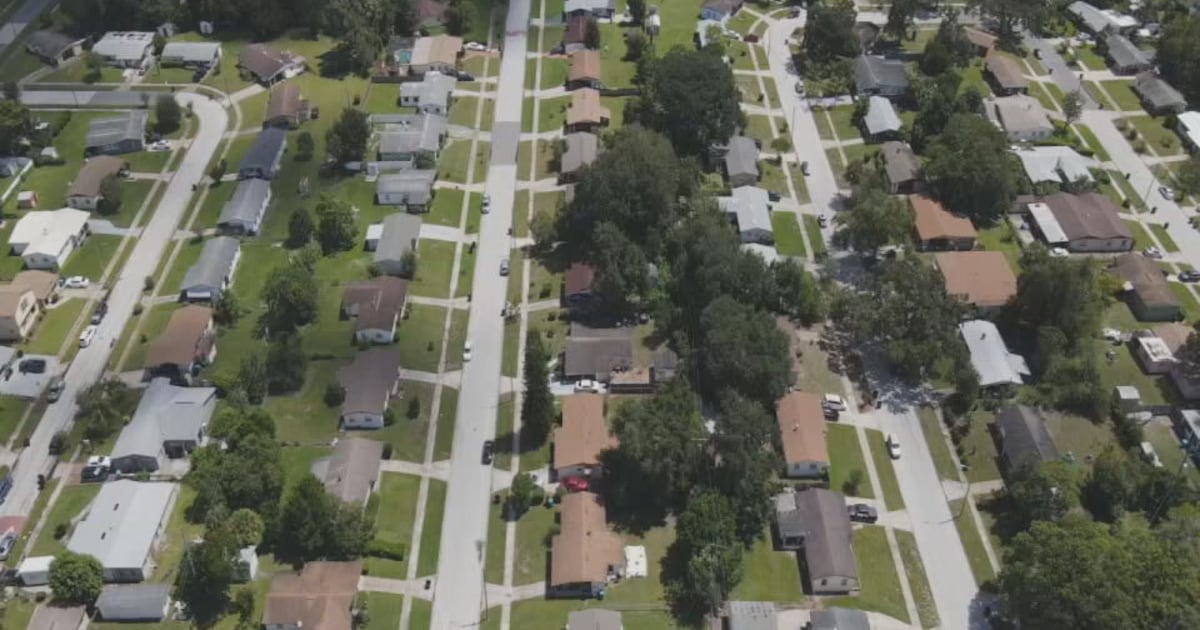
Florida Homeowners Finally Get a Break as Insurance Rates Begin to Drop

After years of soaring premiums and insurer instability, Florida’s property insurance market is finally turning a corner. Major carriers have filed 83 requests for rate decreases heading into 2026, with companies like Florida Peninsula and Patriot Select proposing cuts of 8.4% and 11.3%. Some homeowners may see relief as early as next month, signaling a long‑awaited shift toward market stability.

The Fix-and-Flip Comeback: Why 2026 Is Poised to Be a Breakout Year for Investors

Fix-and-flip investing is gearing up for one of its strongest years in a decade as 2026 approaches. With cheaper capital, more accessible funding, easing interest rates, and long-awaited increases in housing inventory, investors are finding the perfect environment to launch or scale renovation-based real estate businesses. Renovation continues to outpace new construction in cost and speed, and demand for move-in-ready homes remains high, making 2026 a powerful opportunity window for both new and experienced investors.

Falling Rents Today, Rising Pressures Tomorrow: A 2026 Rental Squeeze Is on the Horizon

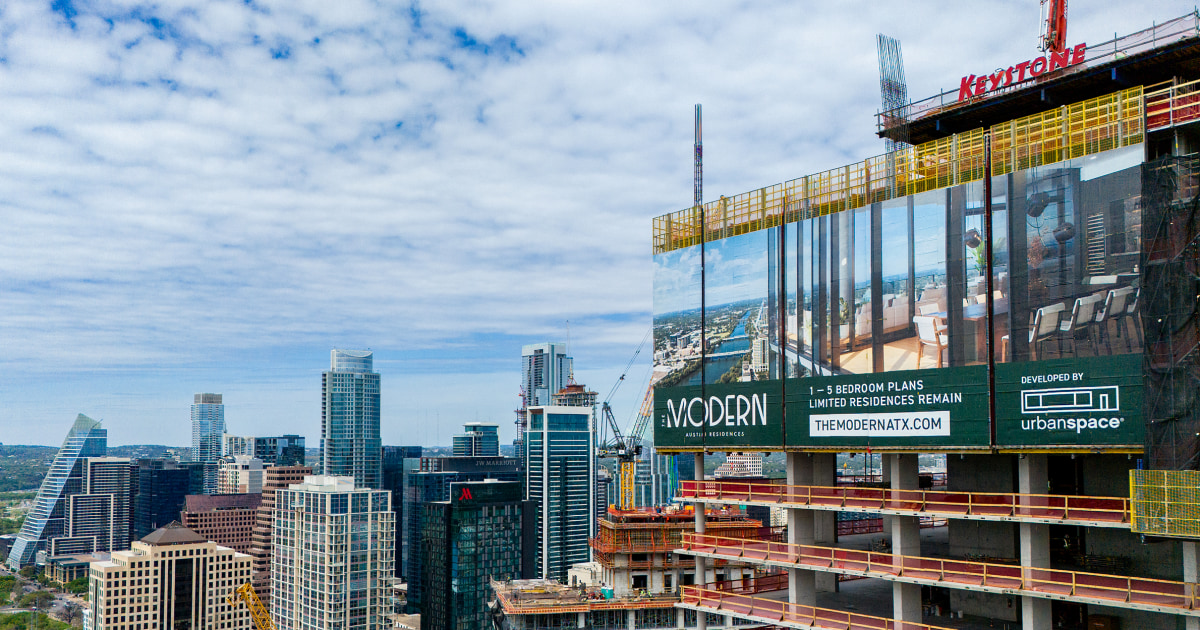
After a short-lived period of relief in 2025, the U.S. rental market may be headed for a tighter, more expensive 2026. With construction starts dropping nearly 11% and completions plunging 42%, the surge of new apartments that helped lower rents is rapidly drying up. Rising costs, shrinking inventory, and a slowdown in new development point to a potential rental crunch that could leave renters facing heavier competition and higher prices across major markets next year.

The Biggest Opportunity in Real Estate Since 2008

The commercial real estate market is entering a rare reset that experts say mirrors the post‑2008 boom, creating a potential window for disciplined investors. With trillions in commercial debt coming due and property values dropping up to 40%, firms like AARE are positioning themselves to acquire assets below replacement cost—an advantage that could set the stage for significant long‑term growth.

Six for 2026: The Commercial Real Estate Shifts Already Reshaping the U.S.

Commercial real estate is entering a reinvention phase, with AI‑driven productivity, modernized office demand, experience‑focused retail, expanding industrial logistics, creative housing solutions, and sustainability‑centered design all accelerating nationwide. These six forces are shaping how investors, brokers, and future licensees will operate in a rapidly evolving U.S. market.

2026 Becomes the Turning Point: Innovation, Stability, and Upward Mobility Return

After years of economic uncertainty and cautious decision‑making, 2026 is shaping up to be the year professionals finally catch a break. AI is moving from buzzword to essential tool, capital markets are beginning to thaw, and hiring is picking up across real estate, mortgage, insurance, finance, and healthcare. With opportunity returning, many professionals are using this moment to upskill—pursuing new licenses, certifications, and cross‑industry expertise.