In a revealing study published by Forbes, job burnout has alarmingly surged to an unprecedented 66% in 2025. This increase suggests that the return-to-office (RTO) mandates might exacerbate stress levels for employees already grappling with demanding work environments.

When hard work results in a headache

The study highlights that younger employees, particularly those between the ages of 18 to 34, are experiencing the highest rates of burnout. Contributing factors include excessive work demands, insufficient resources, a challenging economic climate, and labor shortages. These elements are creating a perfect storm for stress and exhaustion in the workplace.

Moreover, the research sheds light on the growing concerns and openness towards artificial intelligence (AI) tools in the workplace. While some employees express anxiety over AI potentially replacing their roles, others see it as a tool to enhance productivity.

Key Factors Behind Job Burnout

  • Work Overload: Many employees report having more tasks than time to complete them.
  • Resource Insufficiency: A significant number of workers lack the necessary tools to perform their jobs effectively.
  • Economic Challenges: A poor economy is impacting overall well-being at work.
  • Labor Shortages: Employees are taking on extra work due to industry-wide labor shortages.

Employer Strategies to Mitigate Burnout

Experts urge employers to prioritize employee well-being to combat this rising tide of burnout. Measures such as promoting vacations and enhancing professional development opportunities are recommended. Jason Gamel, President and CEO of ARDA, emphasizes the importance of taking time off to maintain mental and physical health, reduce stress, and improve productivity.

Kimberly Marshall, Chief HR Officer at Travel + Leisure Company, points out that their mission is to encourage employees to take advantage of travel benefits, which can significantly reduce stress and prevent burnout. Similarly, Michael Yonker from Marriott Vacations Worldwide notes the transformative power of vacations in keeping employees productive and engaged.

As the workforce continues to evolve, it is crucial for companies to stay attuned to changing employee attitudes and expectations. The high rates of burnout among younger generations present an opportunity for organizations to re-prioritize employee well-being and foster a healthier work-life balance.


More Articles

Getting licensed or staying ahead in your career can be a journey—but it doesn’t have to be overwhelming. Grab your favorite coffee or tea, take a moment to relax, and browse through our articles. Whether you’re just starting out or renewing your expertise, we’ve got tips, insights, and advice to keep you moving forward. Here’s to your success—one sip and one step at a time!

South Florida Housing Market Gains Momentum for 2026 as Mortgage Rates Decline

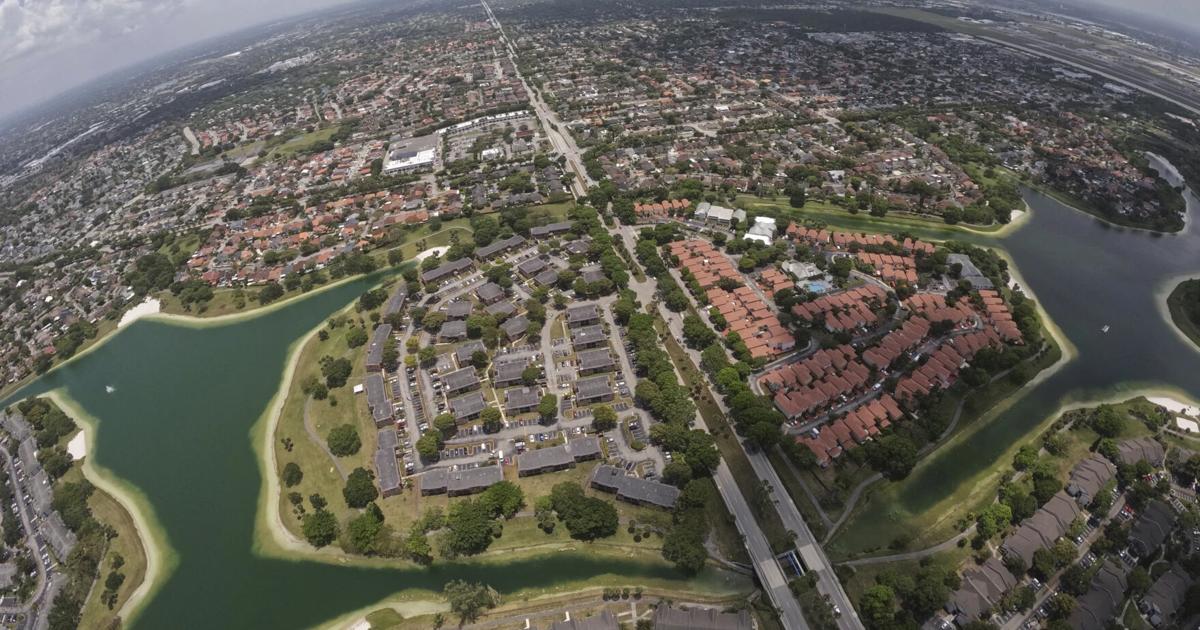
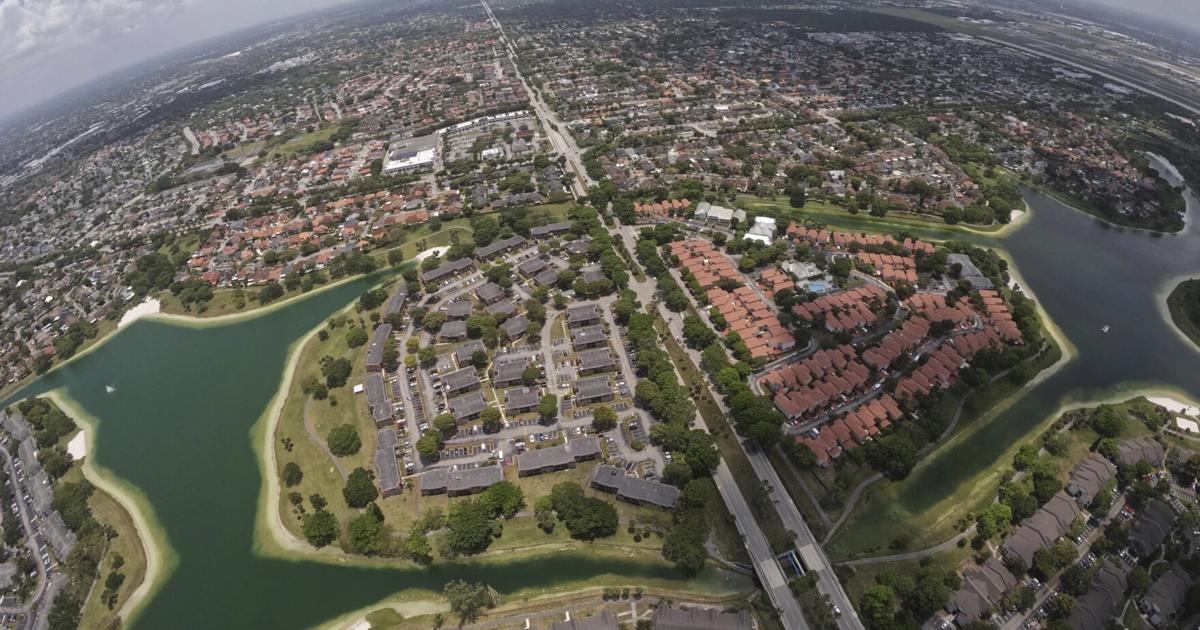
Lower interest rates, improving buyer confidence, and a resilient job market are setting the stage for a stronger South Florida real estate landscape in 2026. After a steadier‑than‑expected 2025, single‑family homes remain competitive, condos are stabilizing despite regulatory pressures, and commercial real estate continues to outperform national trends — giving industry professionals plenty to watch in the year ahead.

2026 Housing Market Outlook: Are We Finally Heading Toward Stability?

Economists across the housing industry are signaling that 2026 may finally bring a true market rebalance. With mortgage rates expected to ease, inventory slowly expanding and affordability showing its first real improvement in years, home sales could climb by 14% nationwide. Prices are projected to rise only modestly, builders are ramping up cautiously and shifting demographics are reshaping who’s buying—and what they’re looking for. For real estate and finance professionals, this more active and balanced landscape sets the stage for a strong year of opportunity.

Lower Interest Rates Spark New Optimism in South Florida’s 2026 Real Estate Market

South Florida enters 2026 with renewed confidence as easing mortgage rates, a solid job market, and stabilizing housing trends breathe life back into both single‑family and condo sectors. After an uneven 2025 marked by high costs and condo‑related challenges, lower borrowing rates are drawing buyers back, encouraging more homeowners to list, and positioning the region for a more balanced — though still competitive — year ahead.

Six Real Estate Trends Reshaping the U.S. Market in 2026

The U.S. real estate landscape is entering a defining year, driven by AI innovation, reimagined office spaces, immersive retail, and resilient industrial growth. Investors are becoming more selective, while ESG expectations are solidifying into essential standards for value and tenant demand. For professionals looking to stay competitive in 2026, understanding these shifts—and upskilling accordingly—will be key to navigating an industry rapidly transforming in real time.

Conforming Mortgage Credit Availability Plunges to Record Low as Lenders Tighten Standards

Conforming mortgage credit has dropped to its lowest level since the MBA began tracking it in 2011, signaling a major tightening in loan options as 2026 begins. December’s Mortgage Credit Availability Index fell 2.6%, driven by shrinking ARM offerings, fewer cash‑out refi programs, and stricter documentation requirements. With conforming loans seeing the sharpest decline—down 3.8%—both buyers and mortgage professionals face a more challenging lending landscape that demands stronger financial profiles and up‑to‑date industry knowledge.

Creative Strategies Are Finally Helping First-Time Buyers Break Into the 2026 Housing Market

A new NAR outlook shows that first-time buyers may finally be gaining traction in 2026 as rising inventory, easing rates, and creative financing strategies open long-awaited pathways into homeownership. From ARMs and government-backed loans to family support, grants, and co-buying, younger buyers are finding new ways to “make the math work.” Builders are also stepping in with incentives and expanded townhome construction, signaling a slow but meaningful shift toward improved affordability.