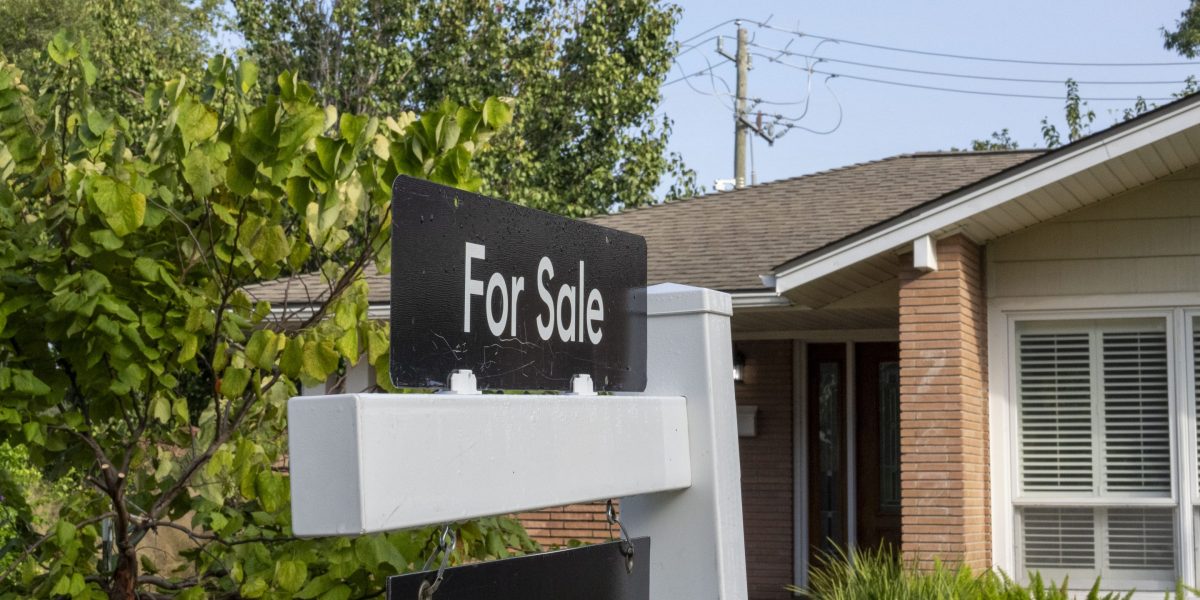
JPMorgan Warns of a Sunbelt Housing Slowdown — With Florida and Texas Feeling the Sharpest Pain
The housing market steps into 2026 with a strange new reality: after a decade of soaring prices, JPMorgan Global Research now expects national home values to level off at 0% growth. But beneath that calm national surface lies something far more dramatic — a widening divide between steady markets and the Sunbelt, where price drops are accelerating at a startling pace.
As highlighted in Fortune’s report on the forecast, the markets facing the steepest struggle ahead are familiar boomtowns: Florida and Texas.
The National Picture: Flat Prices, Stabilizing Demand
JPMorgan analysts expect supply and demand to reach an uneasy balance in 2026. Adjustable‑rate mortgage costs may fall as the Fed trims rates, while 30‑year fixed loans are still likely to remain above 6%. Builders continue offering mortgage buydowns to help clear unsold inventory, softening monthly payments for buyers.
“We think this could be enough, along with a rising wealth effect, to shift demand higher while supply increases subside,” said John Sim, head of securitized products research at JPMorgan.
Still, the broader picture remains muted. November’s price growth rose just 1.9% year over year — a steep decline from October’s 4.8% — reflecting persistent buyer hesitation.
The Sunbelt Squeeze: Overbuilding Now Biting Back
The Sunbelt’s once‑magnetic affordability surge during the pandemic drew millions of relocating buyers and prompted builders to accelerate construction. Now, that same aggressive expansion is pushing inventory to uncomfortable levels.
While JPMorgan didn’t name specific states, the data speaks loudly. According to Zillow, Texas home prices are down 2.4% year over year. Florida — once the crown jewel of migration — faces a deeper decline: down 5.1%.
Why this matters: Overbuilding remains “a sure path to home price declines,” JPMorgan notes. Builders in Florida and Texas now face some of the nation’s largest housing inventories.
Trump’s Affordability Strategy: Limited Impact on the Ground
President Donald Trump has pledged to improve housing affordability, but analysts indicate the proposed policies may produce only marginal effects for everyday buyers.
A ban on institutional investors buying single‑family homes would shift very little — such investors represent just 1% to 3% of national purchases. Ironically, restricting them from developing rental communities might even tighten supply further.
Trump’s directive for Fannie Mae and Freddie Mac to purchase $200 billion in mortgage‑backed securities also appears modest. The move touches only 1.4% of the $14.5 trillion mortgage market and may reduce rates by a mere 10–15 basis points.
Most builders already offer mortgage buydowns of 100–200 basis points — far exceeding the projected impact of the administration’s policy shift.
At the same time, Trump has stated openly that he prefers rising home prices. “I don’t want to drive housing prices down,” he said. “I want to drive housing prices up for people that own their homes.”
What This Means for Real Estate Professionals — Especially in Florida
For agents, brokers, and investors, a flattening market paired with Sunbelt price softness creates a rare strategic opportunity. Florida’s current turbulence may sting, but history shows that high‑demand states rebound quickly once surplus inventory clears.
For professionals entering the industry or leveling up their education, now is the time to understand market cycles — and position yourself ahead of the next upswing.
If you’re building a long‑term career in real estate, mortgage, or insurance, Florida’s shifting market isn’t a warning sign. It’s an invitation — a window to learn, get licensed, and advance while competitors hesitate.
That’s why institutions like Cameron Academy continue to lead professionals across Florida and all 50 states through evolving markets, offering licensing and continuing education designed to prepare you for every cycle — whether rising or falling.
The Bottom Line
The headlines may highlight falling prices in Florida and Texas, but the deeper narrative is one of transformation — not collapse. With supply balancing out, demand shifting, and policy changes offering limited relief, 2026 may become a year of normalization and preparation for the next market phase.
For real estate professionals, now is the moment to step forward, not step back. Understanding these trends today positions you as a trusted expert tomorrow — no matter what direction the market moves.
More Articles
Getting licensed or staying ahead in your career can be a journey—but it doesn’t have to be overwhelming. Grab your favorite coffee or tea, take a moment to relax, and browse through our articles. Whether you’re just starting out or renewing your expertise, we’ve got tips, insights, and advice to keep you moving forward. Here’s to your success—one sip and one step at a time!
In the rapidly evolving world of real estate, AI assistants are making waves, promising to enhance the efficiency of agents without replacing the invaluable human touch.
In a transformative initiative, revolv Real Estate has launched the Orange Key Academy, an educational platform aimed at empowering the next generation of real estate professionals.
In the ever-evolving landscape of financial planning, 2025 presents an array of opportunities and challenges. With the dawn of a new U.S. administration, the potential for significant tax law changes looms large, prompting individuals to reassess their financial strategies.
In a groundbreaking move, the U.S. Copyright Office has released its third and final report in the "Copyright and Artificial Intelligence" series, offering nuanced guidance on fair use in the realm of generative AI (GenAI) training. This comprehensive analysis, dated May 16, 2025, sheds light on the intricate legal landscape surrounding the use of copyrighted materials in AI model training.
The CE Shop has emerged as the top contender in the realm of online real estate education. According to a recent Investopedia article, the CE Shop was distinguished as the best overall online real estate school for August 2025.
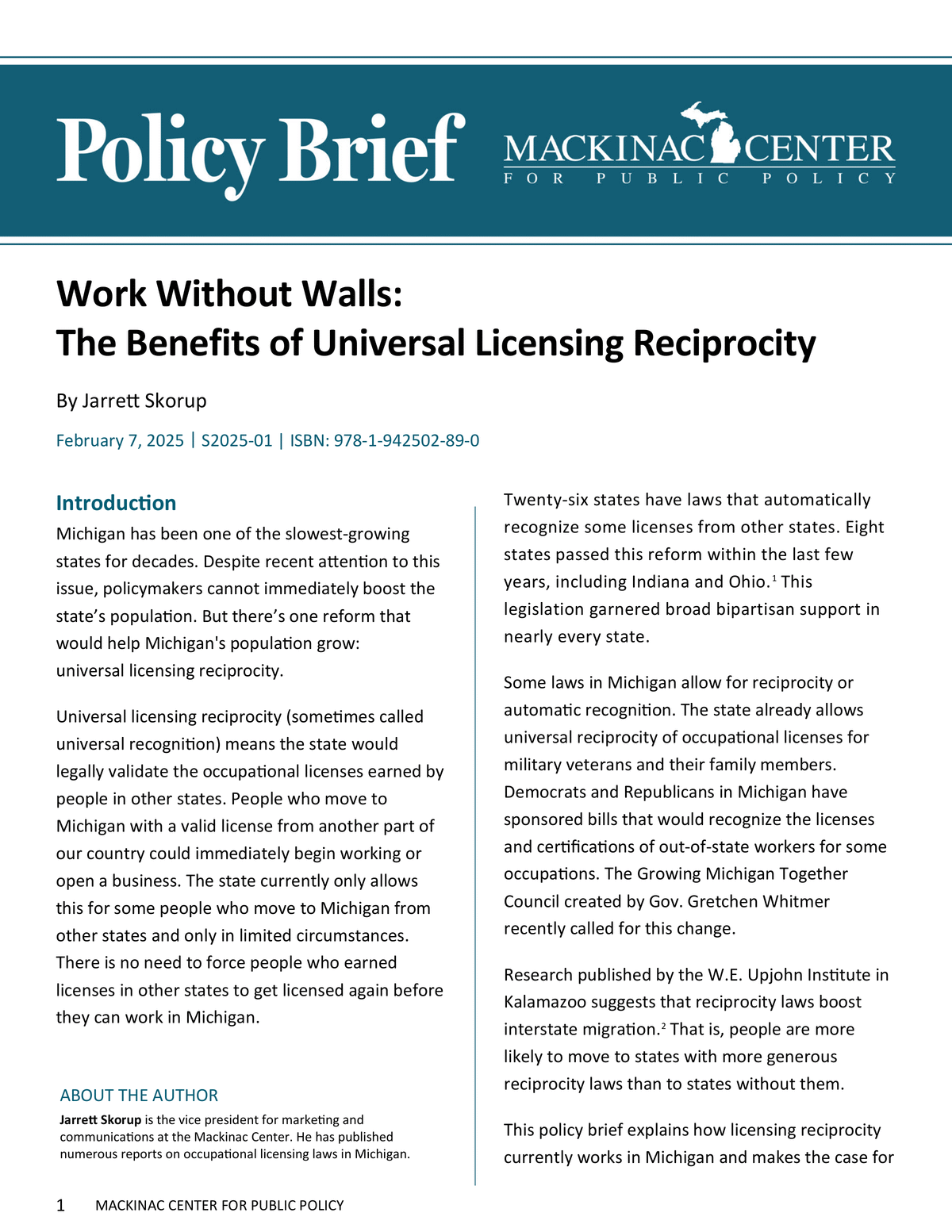
Michigan has grappled with slow population growth for decades, but introducing universal licensing reciprocity could catalyze change. By legally validating out-of-state occupational licenses, Michigan could attract a diverse array of skilled professionals, fostering economic expansion and addressing workforce shortages.