JPMorgan Warns of a Sunbelt Housing Slowdown — With Florida and Texas Feeling the Sharpest Pain
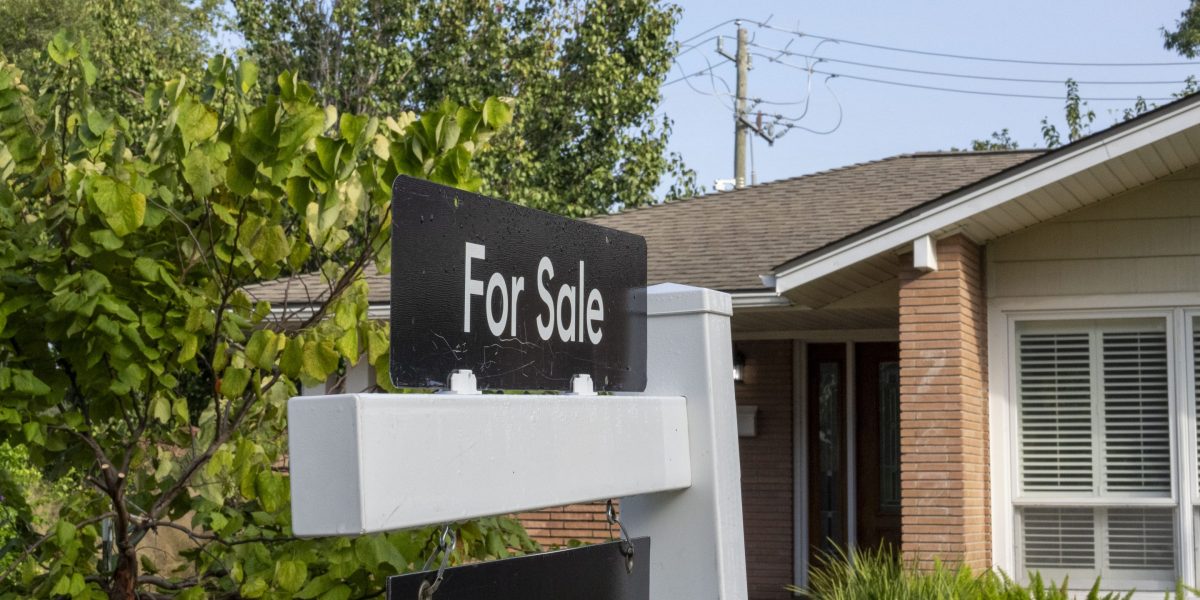
The housing market steps into 2026 with a strange new reality: after a decade of soaring prices, JPMorgan Global Research now expects national home values to level off at 0% growth. But beneath that calm national surface lies something far more dramatic — a widening divide between steady markets and the Sunbelt, where price drops are accelerating at a startling pace.
As highlighted in Fortune’s report on the forecast, the markets facing the steepest struggle ahead are familiar boomtowns: Florida and Texas.
The National Picture: Flat Prices, Stabilizing Demand
JPMorgan analysts expect supply and demand to reach an uneasy balance in 2026. Adjustable‑rate mortgage costs may fall as the Fed trims rates, while 30‑year fixed loans are still likely to remain above 6%. Builders continue offering mortgage buydowns to help clear unsold inventory, softening monthly payments for buyers.
“We think this could be enough, along with a rising wealth effect, to shift demand higher while supply increases subside,” said John Sim, head of securitized products research at JPMorgan.
Still, the broader picture remains muted. November’s price growth rose just 1.9% year over year — a steep decline from October’s 4.8% — reflecting persistent buyer hesitation.
The Sunbelt Squeeze: Overbuilding Now Biting Back
The Sunbelt’s once‑magnetic affordability surge during the pandemic drew millions of relocating buyers and prompted builders to accelerate construction. Now, that same aggressive expansion is pushing inventory to uncomfortable levels.
While JPMorgan didn’t name specific states, the data speaks loudly. According to Zillow, Texas home prices are down 2.4% year over year. Florida — once the crown jewel of migration — faces a deeper decline: down 5.1%.
Why this matters: Overbuilding remains “a sure path to home price declines,” JPMorgan notes. Builders in Florida and Texas now face some of the nation’s largest housing inventories.
Trump’s Affordability Strategy: Limited Impact on the Ground
President Donald Trump has pledged to improve housing affordability, but analysts indicate the proposed policies may produce only marginal effects for everyday buyers.
A ban on institutional investors buying single‑family homes would shift very little — such investors represent just 1% to 3% of national purchases. Ironically, restricting them from developing rental communities might even tighten supply further.
Trump’s directive for Fannie Mae and Freddie Mac to purchase $200 billion in mortgage‑backed securities also appears modest. The move touches only 1.4% of the $14.5 trillion mortgage market and may reduce rates by a mere 10–15 basis points.
Most builders already offer mortgage buydowns of 100–200 basis points — far exceeding the projected impact of the administration’s policy shift.
At the same time, Trump has stated openly that he prefers rising home prices. “I don’t want to drive housing prices down,” he said. “I want to drive housing prices up for people that own their homes.”
What This Means for Real Estate Professionals — Especially in Florida
For agents, brokers, and investors, a flattening market paired with Sunbelt price softness creates a rare strategic opportunity. Florida’s current turbulence may sting, but history shows that high‑demand states rebound quickly once surplus inventory clears.
For professionals entering the industry or leveling up their education, now is the time to understand market cycles — and position yourself ahead of the next upswing.
If you’re building a long‑term career in real estate, mortgage, or insurance, Florida’s shifting market isn’t a warning sign. It’s an invitation — a window to learn, get licensed, and advance while competitors hesitate.
That’s why institutions like Cameron Academy continue to lead professionals across Florida and all 50 states through evolving markets, offering licensing and continuing education designed to prepare you for every cycle — whether rising or falling.
The Bottom Line
The headlines may highlight falling prices in Florida and Texas, but the deeper narrative is one of transformation — not collapse. With supply balancing out, demand shifting, and policy changes offering limited relief, 2026 may become a year of normalization and preparation for the next market phase.
For real estate professionals, now is the moment to step forward, not step back. Understanding these trends today positions you as a trusted expert tomorrow — no matter what direction the market moves.
More Articles
Getting licensed or staying ahead in your career can be a journey—but it doesn’t have to be overwhelming. Grab your favorite coffee or tea, take a moment to relax, and browse through our articles. Whether you’re just starting out or renewing your expertise, we’ve got tips, insights, and advice to keep you moving forward. Here’s to your success—one sip and one step at a time!
November marked another cooldown for commercial real estate, with total deal volume dropping 10% year over year and falling below even 2020’s levels. While overall activity is slowing, investors are concentrating their money on bigger, more resilient assets—driving a 51% surge in deals over $100 million and pushing average transaction sizes well above historical norms. Multifamily remains the strongest sector, office deals are becoming more strategically focused, and medical office and data centers continue to outperform as long‑term demand stays solid.
After years of stalled activity, commercial real estate may finally be nearing a rebound. Experts say that expected interest‑rate drops in 2026 could reignite investor confidence, unlock sidelined capital, and boost deal flow across multiple sectors. But the outlook isn’t uniformly sunny—multifamily faces oversupply, industrial is cooling after years of rapid growth, and weakening employment conditions may slow absorption. For professionals across real estate, mortgage, insurance, and finance, the shifting landscape presents both challenges and major opportunities for those who stay informed and properly licensed.
Consumer Reports delivered a major warning to Congress, highlighting how rapidly expanding fintech tools—especially AI‑driven platforms—are outpacing consumer protections. In testimony before the House Subcommittee on Digital Assets, Financial Technology and AI, CR called for stronger, clearer rules to prevent hidden fees, predatory practices, and confusion within digital financial products. For professionals in real estate, mortgages, insurance, and finance, these emerging regulations may soon influence lending decisions, underwriting, credit evaluations, and compliance expectations across the industry.
Amazon is preparing to cut up to 30,000 corporate jobs by mid‑2026 as it pivots aggressively toward automation and AI. Following 14,000 layoffs in late 2025, the company is eliminating layers of management to redirect billions into robotics, generative AI systems, and supercomputing partnerships. While warehouse hiring continues for seasonal demand, Amazon’s internal shift reveals a broader nationwide trend: white‑collar roles across tech, finance, logistics, and more are being reshaped by automation at unprecedented speed.
Florida’s real estate market enters 2026 with new leadership at the helm as Chuck Bonfiglio, broker-owner of AAA Realty Group, is officially installed as President of Florida Realtors. With more than 230,000 members behind the association, Bonfiglio highlights affordability, insurance reform, and taxes as key priorities while expressing optimism about easing mortgage rates, stabilizing prices, and growing inventory. Backed by years of statewide and national Realtor leadership, he aims to guide professionals through another transformative year alongside a newly appointed 2026 leadership team.
Tampa isn’t cooling off—it’s getting smarter. After years of rapid expansion, the city’s commercial real estate market has shifted into a more disciplined, selective phase. Population growth remains strong, office leasing is outperforming national trends, industrial activity is normalizing sustainably, and retail is seeing renewed investor confidence. With capital becoming more cautious and health care real estate emerging as a major growth sector, Tampa is entering a new era focused on strategy, execution, and long‑term fundamentals.