JPMorgan Warns of a Sunbelt Housing Slowdown — With Florida and Texas Feeling the Sharpest Pain
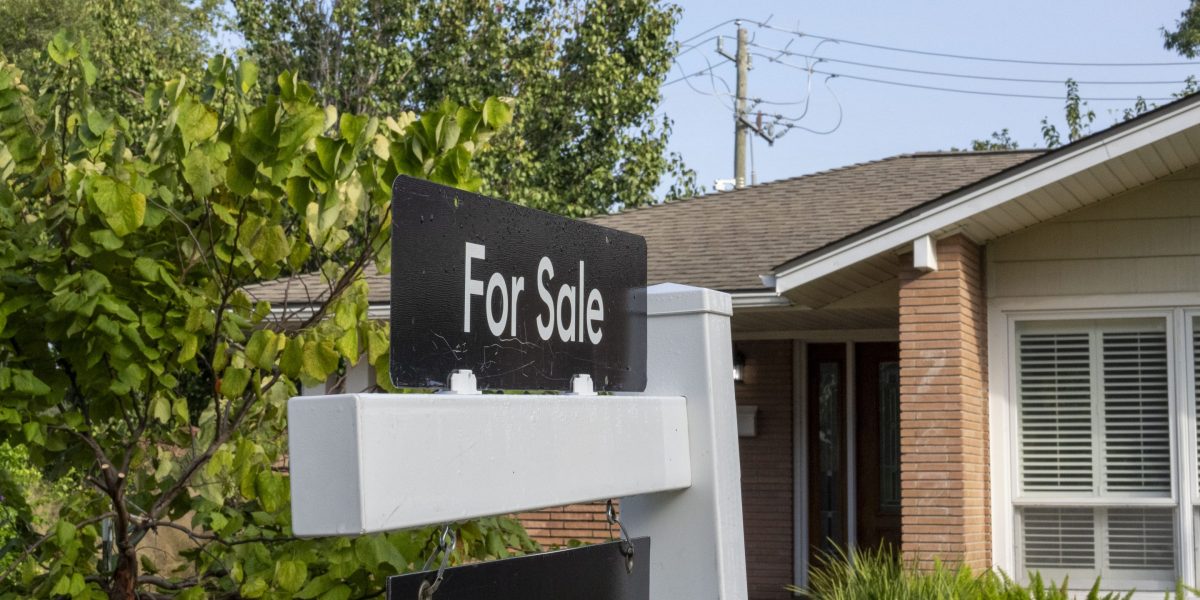
The housing market steps into 2026 with a strange new reality: after a decade of soaring prices, JPMorgan Global Research now expects national home values to level off at 0% growth. But beneath that calm national surface lies something far more dramatic — a widening divide between steady markets and the Sunbelt, where price drops are accelerating at a startling pace.
As highlighted in Fortune’s report on the forecast, the markets facing the steepest struggle ahead are familiar boomtowns: Florida and Texas.
The National Picture: Flat Prices, Stabilizing Demand
JPMorgan analysts expect supply and demand to reach an uneasy balance in 2026. Adjustable‑rate mortgage costs may fall as the Fed trims rates, while 30‑year fixed loans are still likely to remain above 6%. Builders continue offering mortgage buydowns to help clear unsold inventory, softening monthly payments for buyers.
“We think this could be enough, along with a rising wealth effect, to shift demand higher while supply increases subside,” said John Sim, head of securitized products research at JPMorgan.
Still, the broader picture remains muted. November’s price growth rose just 1.9% year over year — a steep decline from October’s 4.8% — reflecting persistent buyer hesitation.
The Sunbelt Squeeze: Overbuilding Now Biting Back
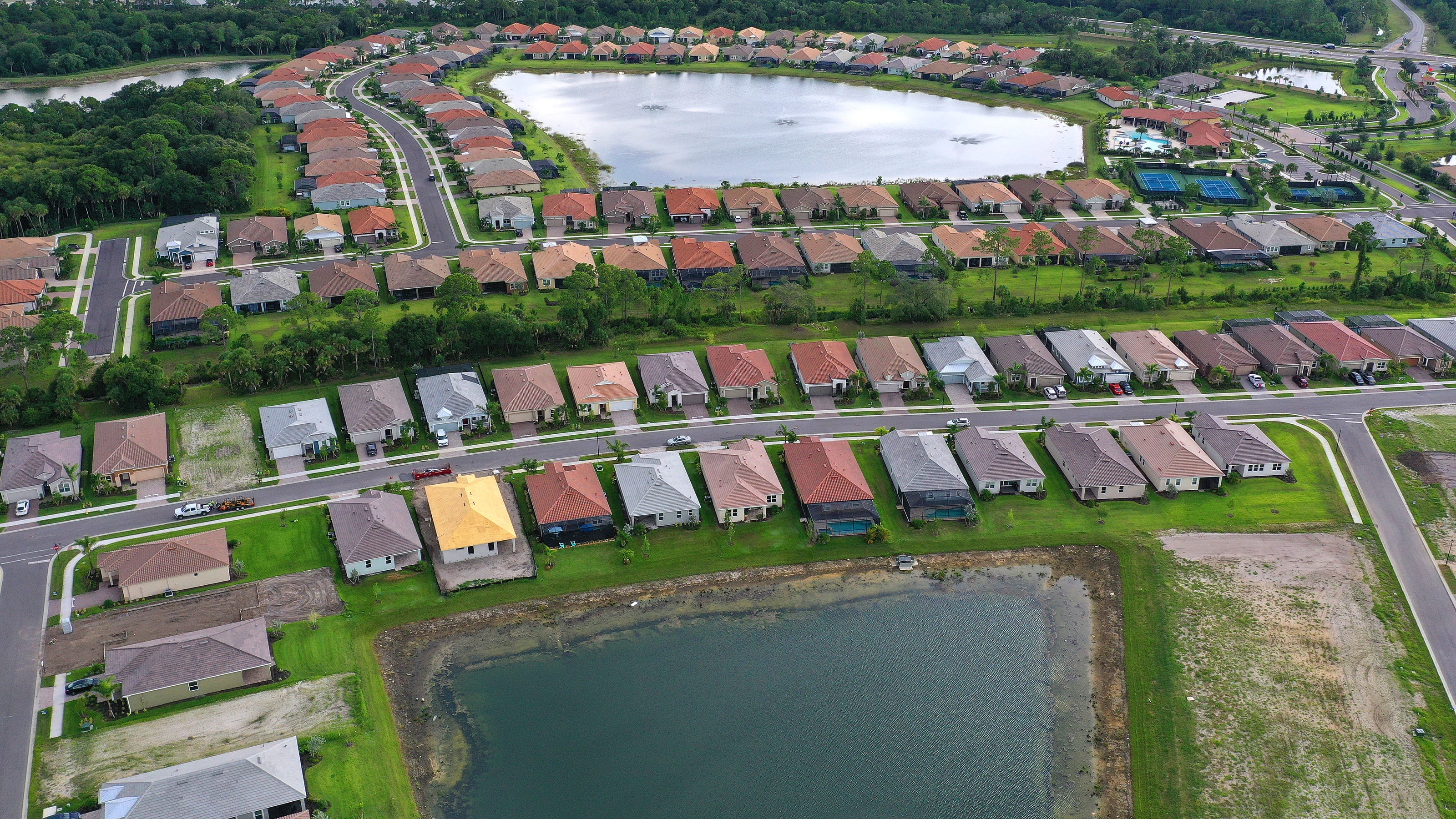
The Sunbelt’s once‑magnetic affordability surge during the pandemic drew millions of relocating buyers and prompted builders to accelerate construction. Now, that same aggressive expansion is pushing inventory to uncomfortable levels.
While JPMorgan didn’t name specific states, the data speaks loudly. According to Zillow, Texas home prices are down 2.4% year over year. Florida — once the crown jewel of migration — faces a deeper decline: down 5.1%.
Why this matters: Overbuilding remains “a sure path to home price declines,” JPMorgan notes. Builders in Florida and Texas now face some of the nation’s largest housing inventories.
Trump’s Affordability Strategy: Limited Impact on the Ground
President Donald Trump has pledged to improve housing affordability, but analysts indicate the proposed policies may produce only marginal effects for everyday buyers.
A ban on institutional investors buying single‑family homes would shift very little — such investors represent just 1% to 3% of national purchases. Ironically, restricting them from developing rental communities might even tighten supply further.
Trump’s directive for Fannie Mae and Freddie Mac to purchase $200 billion in mortgage‑backed securities also appears modest. The move touches only 1.4% of the $14.5 trillion mortgage market and may reduce rates by a mere 10–15 basis points.
Most builders already offer mortgage buydowns of 100–200 basis points — far exceeding the projected impact of the administration’s policy shift.
At the same time, Trump has stated openly that he prefers rising home prices. “I don’t want to drive housing prices down,” he said. “I want to drive housing prices up for people that own their homes.”
What This Means for Real Estate Professionals — Especially in Florida
For agents, brokers, and investors, a flattening market paired with Sunbelt price softness creates a rare strategic opportunity. Florida’s current turbulence may sting, but history shows that high‑demand states rebound quickly once surplus inventory clears.
For professionals entering the industry or leveling up their education, now is the time to understand market cycles — and position yourself ahead of the next upswing.
If you’re building a long‑term career in real estate, mortgage, or insurance, Florida’s shifting market isn’t a warning sign. It’s an invitation — a window to learn, get licensed, and advance while competitors hesitate.
That’s why institutions like Cameron Academy continue to lead professionals across Florida and all 50 states through evolving markets, offering licensing and continuing education designed to prepare you for every cycle — whether rising or falling.
The Bottom Line
The headlines may highlight falling prices in Florida and Texas, but the deeper narrative is one of transformation — not collapse. With supply balancing out, demand shifting, and policy changes offering limited relief, 2026 may become a year of normalization and preparation for the next market phase.
For real estate professionals, now is the moment to step forward, not step back. Understanding these trends today positions you as a trusted expert tomorrow — no matter what direction the market moves.
More Articles
Getting licensed or staying ahead in your career can be a journey—but it doesn’t have to be overwhelming. Grab your favorite coffee or tea, take a moment to relax, and browse through our articles. Whether you’re just starting out or renewing your expertise, we’ve got tips, insights, and advice to keep you moving forward. Here’s to your success—one sip and one step at a time!
Florida families are feeling the squeeze as everyday costs, insurance premiums, and homeownership barriers continue to climb. House District 102 candidate Jayden D’Onofrio is calling for a broader, more unified affordability strategy—one that tackles the state’s insurance crisis, supports first‑time homebuyers, and restores real competition in the market. His message centers on transparency, practical solutions, and keeping Florida livable for the professionals, workers, and families who power its economy.
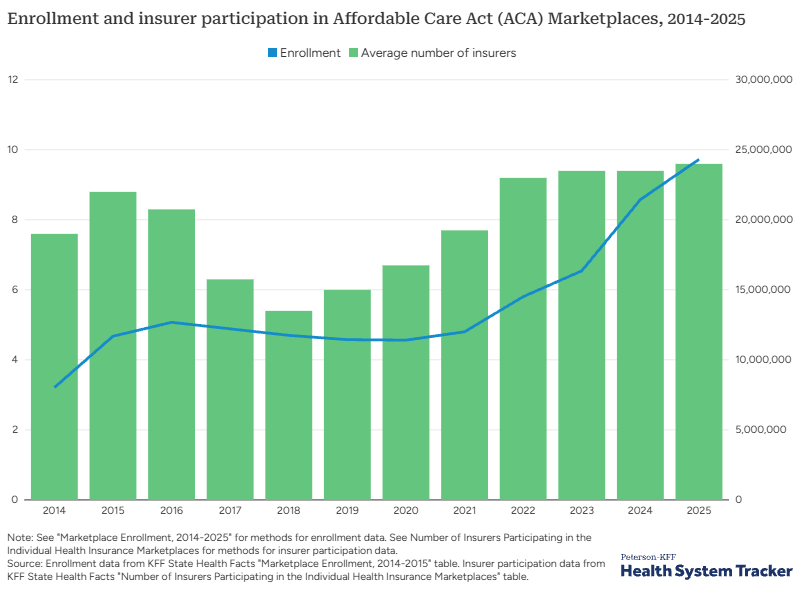
A decade of dramatic change is reshaping America’s health insurance markets. Employer group plans are becoming increasingly dominated by a few powerful insurers, while the ACA individual marketplace is experiencing record‑breaking competition and enrollment. Self‑funded plans are surging, small‑group premiums are driving employers to new coverage models, and major policy shifts in 2025 could redefine affordability for millions. This data‑driven Peterson‑KFF analysis breaks down the trends every insurance, finance, and business professional needs to understand as the industry enters a transformative new era.
Sarasota County is inching closer to approving Winchester Ranch, a massive 8,999‑home community planned for more than 3,100 acres in North Port. With a 7‑1 vote from the Planning Commission and a final decision expected in early 2026, the project could become one of Southwest Florida’s largest developments in decades—bringing new housing, commercial space, and industry while raising fresh questions about growth, the environment, and the region’s rapidly evolving real estate market.
Lument Finance Trust has closed a major $663.8 million commercial real estate CLO, marking one of the standout CRE finance deals of 2025. The transaction, LMNT 2025-FL3, features a strong reinvestment period, non‑recourse and non‑mark‑to‑market financing, and a diversified pool of 32 loans tied to 49 properties nationwide. With J.P. Morgan leading the structuring and more than $585 million placed in investment‑grade securities, the deal highlights renewed stability in transitional CRE debt—making it a development real estate and finance professionals will want to watch closely.
Walmart has partnered with Alquist 3D to roll out the nation’s first large‑scale wave of 3D‑printed commercial buildings, signaling a major shift in how future retail and industrial spaces will be constructed. After completing an 8,000‑square‑foot 3D‑printed expansion in Tennessee—the largest of its kind—the company is moving forward with over a dozen new projects nationwide, accelerating a tech‑driven transformation in commercial real estate.
Citizens Property Insurance Corp. is recommending statewide rate reductions for 2026—the first proposed decrease in more than a decade. Most Citizens policyholders could see an average 11.5% drop, reflecting recent insurance‑market reforms that have stabilized Florida’s turbulent property sector. With hundreds of thousands of policies moving back to private insurers and state‑backed Citizens shrinking to record‑low enrollment, real estate and insurance professionals should prepare for how lower premiums may influence affordability, buyer confidence, and market activity heading into 2026.