JPMorgan Warns of a Sunbelt Housing Slowdown — With Florida and Texas Feeling the Sharpest Pain
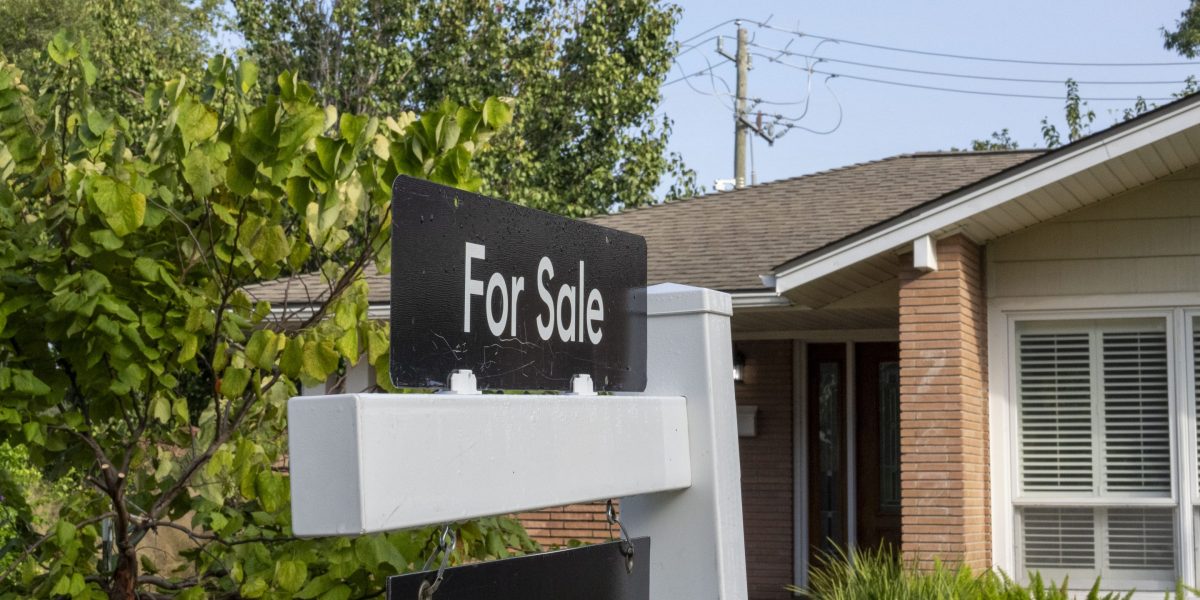
The housing market steps into 2026 with a strange new reality: after a decade of soaring prices, JPMorgan Global Research now expects national home values to level off at 0% growth. But beneath that calm national surface lies something far more dramatic — a widening divide between steady markets and the Sunbelt, where price drops are accelerating at a startling pace.
As highlighted in Fortune’s report on the forecast, the markets facing the steepest struggle ahead are familiar boomtowns: Florida and Texas.
The National Picture: Flat Prices, Stabilizing Demand
JPMorgan analysts expect supply and demand to reach an uneasy balance in 2026. Adjustable‑rate mortgage costs may fall as the Fed trims rates, while 30‑year fixed loans are still likely to remain above 6%. Builders continue offering mortgage buydowns to help clear unsold inventory, softening monthly payments for buyers.
“We think this could be enough, along with a rising wealth effect, to shift demand higher while supply increases subside,” said John Sim, head of securitized products research at JPMorgan.
Still, the broader picture remains muted. November’s price growth rose just 1.9% year over year — a steep decline from October’s 4.8% — reflecting persistent buyer hesitation.
The Sunbelt Squeeze: Overbuilding Now Biting Back
The Sunbelt’s once‑magnetic affordability surge during the pandemic drew millions of relocating buyers and prompted builders to accelerate construction. Now, that same aggressive expansion is pushing inventory to uncomfortable levels.
While JPMorgan didn’t name specific states, the data speaks loudly. According to Zillow, Texas home prices are down 2.4% year over year. Florida — once the crown jewel of migration — faces a deeper decline: down 5.1%.
Why this matters: Overbuilding remains “a sure path to home price declines,” JPMorgan notes. Builders in Florida and Texas now face some of the nation’s largest housing inventories.
Trump’s Affordability Strategy: Limited Impact on the Ground
President Donald Trump has pledged to improve housing affordability, but analysts indicate the proposed policies may produce only marginal effects for everyday buyers.
A ban on institutional investors buying single‑family homes would shift very little — such investors represent just 1% to 3% of national purchases. Ironically, restricting them from developing rental communities might even tighten supply further.
Trump’s directive for Fannie Mae and Freddie Mac to purchase $200 billion in mortgage‑backed securities also appears modest. The move touches only 1.4% of the $14.5 trillion mortgage market and may reduce rates by a mere 10–15 basis points.
Most builders already offer mortgage buydowns of 100–200 basis points — far exceeding the projected impact of the administration’s policy shift.
At the same time, Trump has stated openly that he prefers rising home prices. “I don’t want to drive housing prices down,” he said. “I want to drive housing prices up for people that own their homes.”
What This Means for Real Estate Professionals — Especially in Florida
For agents, brokers, and investors, a flattening market paired with Sunbelt price softness creates a rare strategic opportunity. Florida’s current turbulence may sting, but history shows that high‑demand states rebound quickly once surplus inventory clears.
For professionals entering the industry or leveling up their education, now is the time to understand market cycles — and position yourself ahead of the next upswing.
If you’re building a long‑term career in real estate, mortgage, or insurance, Florida’s shifting market isn’t a warning sign. It’s an invitation — a window to learn, get licensed, and advance while competitors hesitate.
That’s why institutions like Cameron Academy continue to lead professionals across Florida and all 50 states through evolving markets, offering licensing and continuing education designed to prepare you for every cycle — whether rising or falling.
The Bottom Line
The headlines may highlight falling prices in Florida and Texas, but the deeper narrative is one of transformation — not collapse. With supply balancing out, demand shifting, and policy changes offering limited relief, 2026 may become a year of normalization and preparation for the next market phase.
For real estate professionals, now is the moment to step forward, not step back. Understanding these trends today positions you as a trusted expert tomorrow — no matter what direction the market moves.
More Articles
Getting licensed or staying ahead in your career can be a journey—but it doesn’t have to be overwhelming. Grab your favorite coffee or tea, take a moment to relax, and browse through our articles. Whether you’re just starting out or renewing your expertise, we’ve got tips, insights, and advice to keep you moving forward. Here’s to your success—one sip and one step at a time!
December is bringing more than holiday stress—mortgage rates are climbing as the Federal Reserve delivers mixed signals and key economic reports face delays. After sharp swings in November, analysts expect rates to rise through the month, with internal disagreements among Fed members adding to the turbulence. As lenders recalibrate their expectations for early 2026, buyers and industry professionals should brace for rapid, unpredictable rate movements.
Artificial intelligence is rapidly transforming how real estate professionals work, and this week’s updates highlight just how fast the tech is evolving. Rechat’s new integration with Follow Up Boss streamlines CRM, marketing, and communication into one powerful workflow. RealScout has introduced an AI‑driven search tool built specifically for agents, delivering precise results from natural language prompts. Meanwhile, UtahRealEstate.com has launched AI voice search for consumers, offering real‑time conversational home‑finding. Together, these advancements signal a new era of efficiency and opportunity for both new and seasoned real estate professionals.
The Government Accountability Office is urging the FHFA to issue clear, updated guidance for Fannie Mae and Freddie Mac as AI‑driven tools reshape the mortgage industry. With automated valuations, underwriting systems, and algorithmic advertising carrying risks of embedded bias, regulators fear that fast‑moving proptech innovations may unintentionally reinforce past discrimination. The call for action comes as federal oversight shifts and industry professionals face growing pressure to stay compliant in an increasingly digital housing market.
Florida’s real estate and insurance sectors are undergoing major end‑of‑year shifts, from new AI oversight proposals and cooling housing markets to rising insurance premiums and transformative housing legislation. With inventory changes, pricing corrections, and new educational opportunities emerging across the state, professionals and students alike can use these insights to stay ahead in a rapidly evolving 2025–2026 landscape.
New analysis shows that eliminating property taxes in Florida—an idea promoted by Governor Ron DeSantis—could instantly raise home prices by 7 to 9 percent. While current homeowners may welcome the boost, experts warn it would worsen the state’s affordability crisis and shift tax burdens elsewhere, making it harder for future buyers and first‑time homeowners to enter the market.
Cyprus is rolling out sweeping housing and construction reforms, including fast‑track permits, incentives for affordable development, and a push for EU‑wide housing strategy. With single‑ and two‑family home approvals targeted at 40 days and apartment buildings at 80, the nation is tackling delays and boosting supply—offering insights and parallels for U.S. real estate and development professionals watching global trends.