In the bustling arena of American politics, where clashes are common and agreements rare, Vice President Kamala Harris and former President Donald Trump find common ground on an issue that strikes at the heart of many voters: the escalating cost of housing.
Both leaders acknowledge the pressing need for more housing, but their strategies diverge significantly. As housing costs continue to rise, outpacing wages and burdening renters, the stakes are high for their respective plans to resonate with the public.
Kamala Harris’s Vision for Affordable Housing
Vice President Harris brings a personal touch to her housing agenda, reflecting on her mother’s journey to homeownership. Her plan is a blend of increasing housing supply and providing financial support to aspiring homeowners. Harris aims to build three million new housing units, a goal she believes will alleviate the housing shortage and reduce costs.
To achieve this, Harris proposes expanding existing tax credits for affordable rental housing and introducing new incentives for building starter homes. Her plan includes a $40 billion fund to innovate housing construction and a $25,000 down payment assistance for first-time buyers, although some economists argue this could inadvertently drive prices higher.
Harris also targets corporate landlords, advocating for legislation to remove tax breaks from large investors and curb rent-increasing algorithms. Her comprehensive approach seeks to address both supply and demand in the housing market.
Donald Trump’s Approach to Housing Costs
Former President Trump’s housing strategy, while less detailed, focuses on deregulation and opening federal lands for development. Trump has frequently mentioned the need to build more homes and reduce regulatory barriers, echoing some of Harris’s sentiments.
Trump also emphasizes lowering mortgage rates, although the president does not directly set these rates. He links high mortgage rates to inflation and promises to bring them down by curbing inflation, despite critiques that some of his economic policies might exacerbate it.
Immigration and Housing
Trump and his vice-presidential nominee, JD Vance, have attributed rising housing costs to undocumented immigrants, suggesting that reducing illegal immigration would alleviate the pressure on housing prices. However, experts like Albert Saiz from MIT argue that while population growth can affect housing demand, the impact of immigration on prices is relatively small.
Trump’s proposed mass deportation of undocumented immigrants could decrease housing demand but might also lead to a shortage of construction workers, potentially increasing building costs.
As the 2024 election approaches, both candidates will need to convince voters that their housing strategies can effectively address the affordability crisis. For a deeper dive into their plans, the original NPR article provides comprehensive insights.
More Articles
Getting licensed or staying ahead in your career can be a journey—but it doesn’t have to be overwhelming. Grab your favorite coffee or tea, take a moment to relax, and browse through our articles. Whether you’re just starting out or renewing your expertise, we’ve got tips, insights, and advice to keep you moving forward. Here’s to your success—one sip and one step at a time!
In Florida, the earnings of a real estate agent can vary significantly based on numerous factors including experience, location, and the current state of the housing market. The potential earnings are quite broad, with average salaries ranging from $40,000 to $90,000 per year. However, top-performing agents in high-demand areas can earn well above this range, sometimes exceeding $100,000 annually.
Screening prospective tenants who utilize Section 8 vouchers in Florida requires a thorough understanding of both federal and local laws to ensure compliance and avoid potential legal issues.
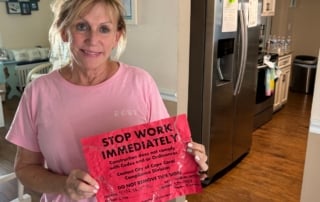
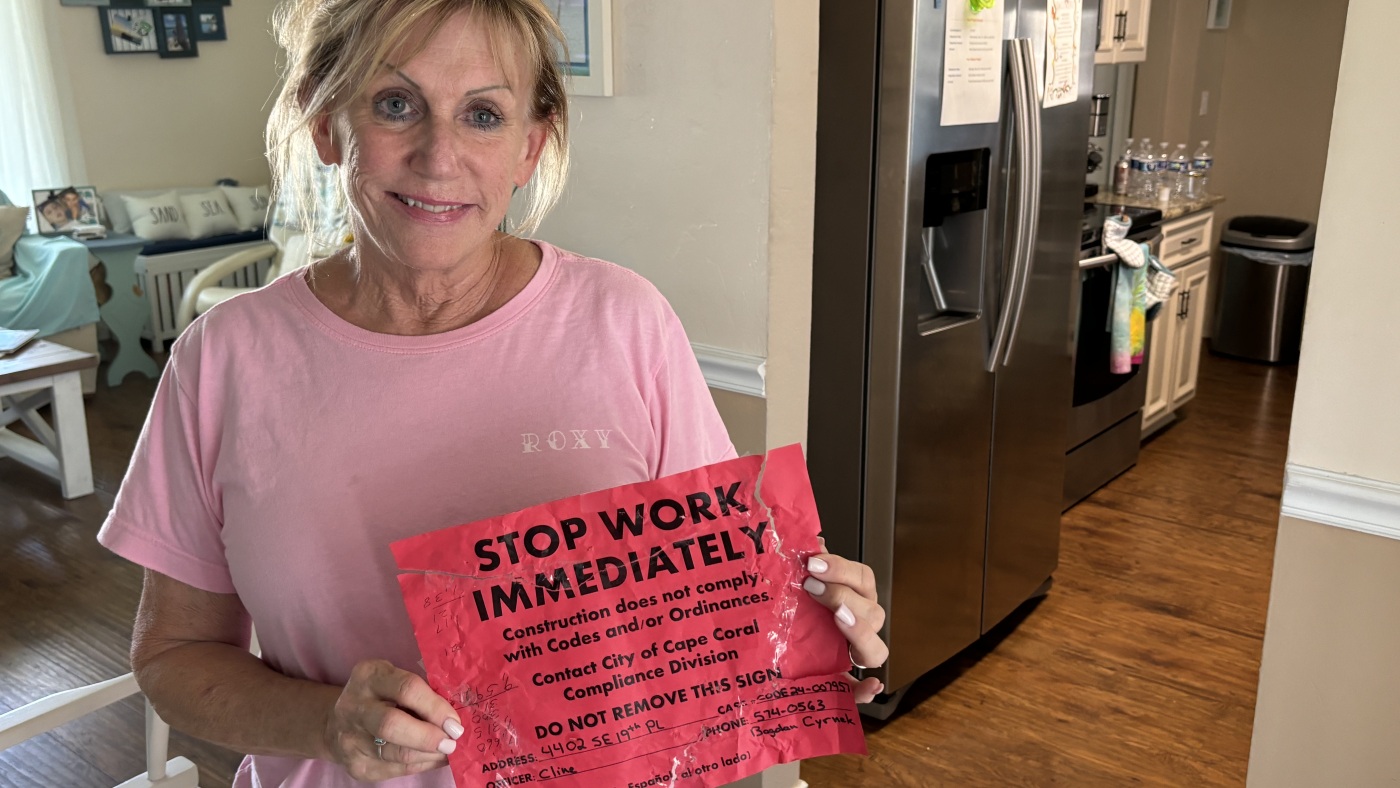
A study by First Street reveals Cape Coral has more properties at risk of flooding than any other city in Florida. Following Hurricane Ian, FEMA withdrew the city's flood insurance discount, blaming improper rebuilding practices.
Goldman Sachs Research has projected a notable increase in US home prices, forecasting a 4.5% rise this year and a 4.4% increase in 2025, as the Federal Reserve is expected to implement interest rate cuts.
In the realm of real estate, myths and misconceptions about Section 8 tenants often cloud the judgment of landlords. These stereotypes suggest that Section 8 tenants might damage property or fail to pay rent. However, these risks are inherent in renting to any tenant, not just those participating in the Section 8 program. The key to mitigating these risks lies in a robust and consistent screening process.