In the bustling arena of American politics, where clashes are common and agreements rare, Vice President Kamala Harris and former President Donald Trump find common ground on an issue that strikes at the heart of many voters: the escalating cost of housing.
Both leaders acknowledge the pressing need for more housing, but their strategies diverge significantly. As housing costs continue to rise, outpacing wages and burdening renters, the stakes are high for their respective plans to resonate with the public.
Kamala Harris’s Vision for Affordable Housing
Vice President Harris brings a personal touch to her housing agenda, reflecting on her mother’s journey to homeownership. Her plan is a blend of increasing housing supply and providing financial support to aspiring homeowners. Harris aims to build three million new housing units, a goal she believes will alleviate the housing shortage and reduce costs.
To achieve this, Harris proposes expanding existing tax credits for affordable rental housing and introducing new incentives for building starter homes. Her plan includes a $40 billion fund to innovate housing construction and a $25,000 down payment assistance for first-time buyers, although some economists argue this could inadvertently drive prices higher.
Harris also targets corporate landlords, advocating for legislation to remove tax breaks from large investors and curb rent-increasing algorithms. Her comprehensive approach seeks to address both supply and demand in the housing market.
Donald Trump’s Approach to Housing Costs
Former President Trump’s housing strategy, while less detailed, focuses on deregulation and opening federal lands for development. Trump has frequently mentioned the need to build more homes and reduce regulatory barriers, echoing some of Harris’s sentiments.
Trump also emphasizes lowering mortgage rates, although the president does not directly set these rates. He links high mortgage rates to inflation and promises to bring them down by curbing inflation, despite critiques that some of his economic policies might exacerbate it.
Immigration and Housing
Trump and his vice-presidential nominee, JD Vance, have attributed rising housing costs to undocumented immigrants, suggesting that reducing illegal immigration would alleviate the pressure on housing prices. However, experts like Albert Saiz from MIT argue that while population growth can affect housing demand, the impact of immigration on prices is relatively small.
Trump’s proposed mass deportation of undocumented immigrants could decrease housing demand but might also lead to a shortage of construction workers, potentially increasing building costs.
As the 2024 election approaches, both candidates will need to convince voters that their housing strategies can effectively address the affordability crisis. For a deeper dive into their plans, the original NPR article provides comprehensive insights.
More Articles
Getting licensed or staying ahead in your career can be a journey—but it doesn’t have to be overwhelming. Grab your favorite coffee or tea, take a moment to relax, and browse through our articles. Whether you’re just starting out or renewing your expertise, we’ve got tips, insights, and advice to keep you moving forward. Here’s to your success—one sip and one step at a time!
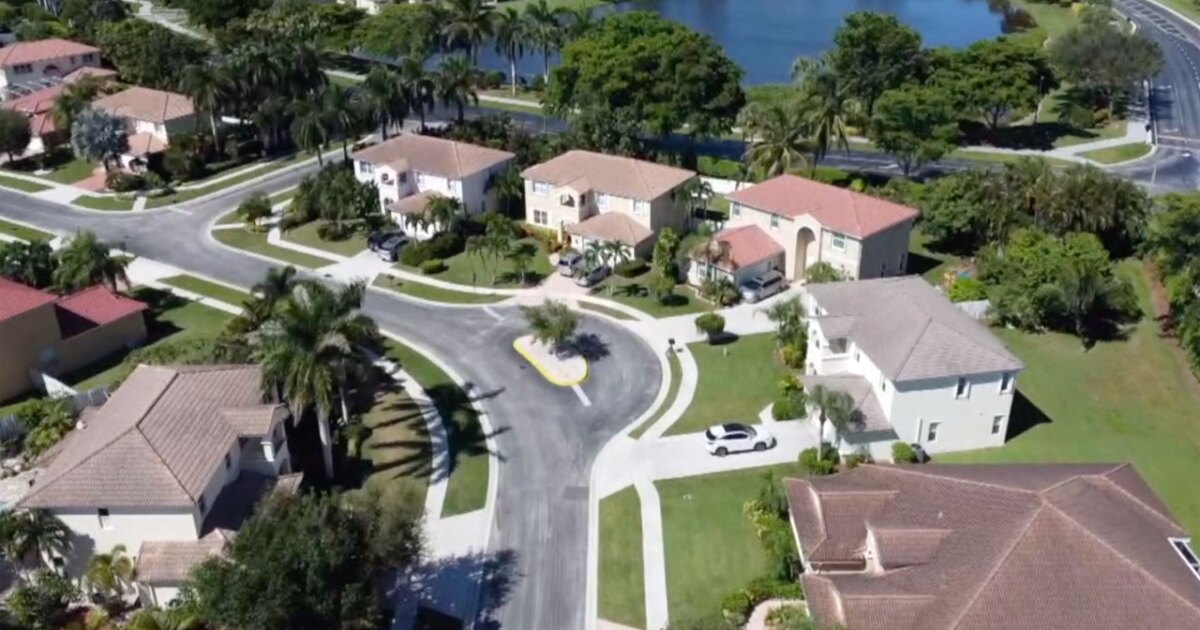
Florida’s home insurance market is experiencing a wave of optimism as recent litigation reforms lead to fewer lawsuits, stronger insurer stability, and even rate reductions. With companies like Florida Peninsula lowering premiums and 17 new insurers entering the state, real estate, mortgage, and insurance professionals can expect smoother transactions, increased buyer confidence, and a more competitive market environment in the year ahead.
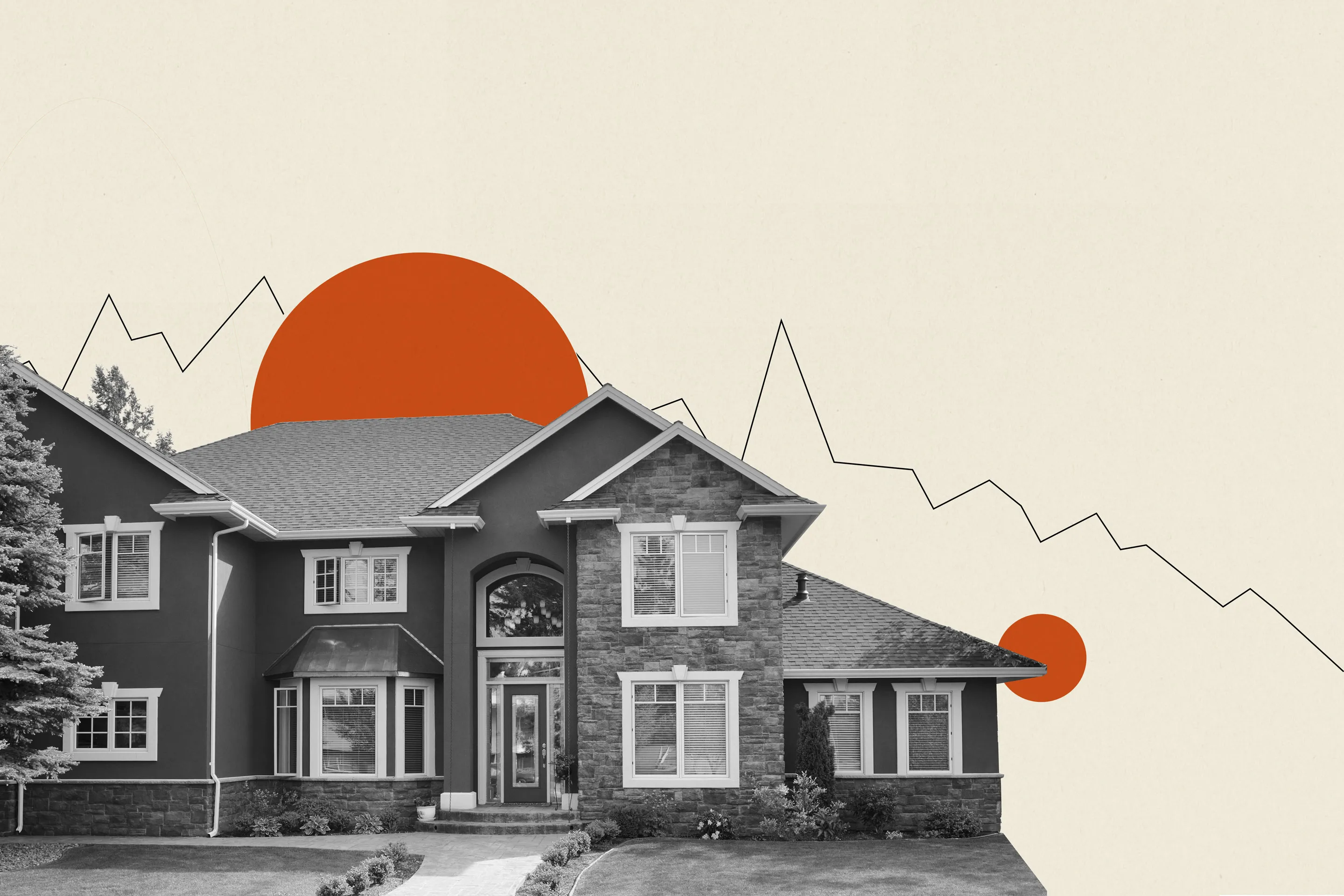
Mortgage rates have dipped to levels not seen since 2022, with the 30‑year fixed averaging just 6.361% and Freddie Mac reporting an even lower 6.06%. The drop is reshaping buyer affordability, sparking renewed market activity, and creating fresh opportunities for real estate professionals—especially in fast‑moving markets like Florida.
The 2026 housing market is shaping up to be one of the most pivotal in years, with mortgage rates showing slight relief, affordability shifting toward the Midwest and South, and buyers turning to options like ARMs and new‑construction homes. Early signals point to new opportunities for buyers, investors, and real‑estate professionals—especially those ready to navigate a market defined by moderate rate drops, regional affordability gaps, and builder‑driven incentives.
Ares Commercial Real Estate CEO Bryan Donohoe sold US$107k in shares this week, trimming his stake by 13% and adding to a pattern of insider selling with no insider purchases in the past 12 months. With insider ownership sitting at a modest 1.6%, the activity signals a cautious tone inside the company—something real estate, mortgage, and finance professionals may want to watch as they assess broader market confidence.
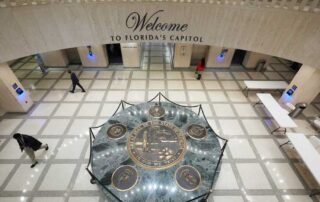
Florida’s 2026 legislative session is officially underway, launching a wave of high‑impact bills targeting property insurance reform, a proposal to eliminate property taxes, new education attendance requirements, and even an AI Bill of Rights. With over a hundred bills already filed, real estate agents, investors, insurers, educators, and other licensed professionals can expect significant regulatory shifts that may reshape Florida’s housing market, insurance costs, and professional compliance standards.
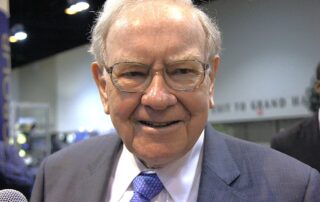
Warren Buffett’s timeless investing wisdom is more relevant than ever in 2026. Despite decades of market change, his core lesson remains the same: long‑term conviction outperforms short‑term prediction. From embracing occasional underperformance to avoiding emotional decisions, Buffett’s philosophy highlights why deep understanding and steady confidence are more valuable than trying to forecast market swings. This mindset isn’t just for investors—it’s a guiding principle for professionals looking to grow their careers with clarity and purpose.