In the bustling arena of American politics, where clashes are common and agreements rare, Vice President Kamala Harris and former President Donald Trump find common ground on an issue that strikes at the heart of many voters: the escalating cost of housing.
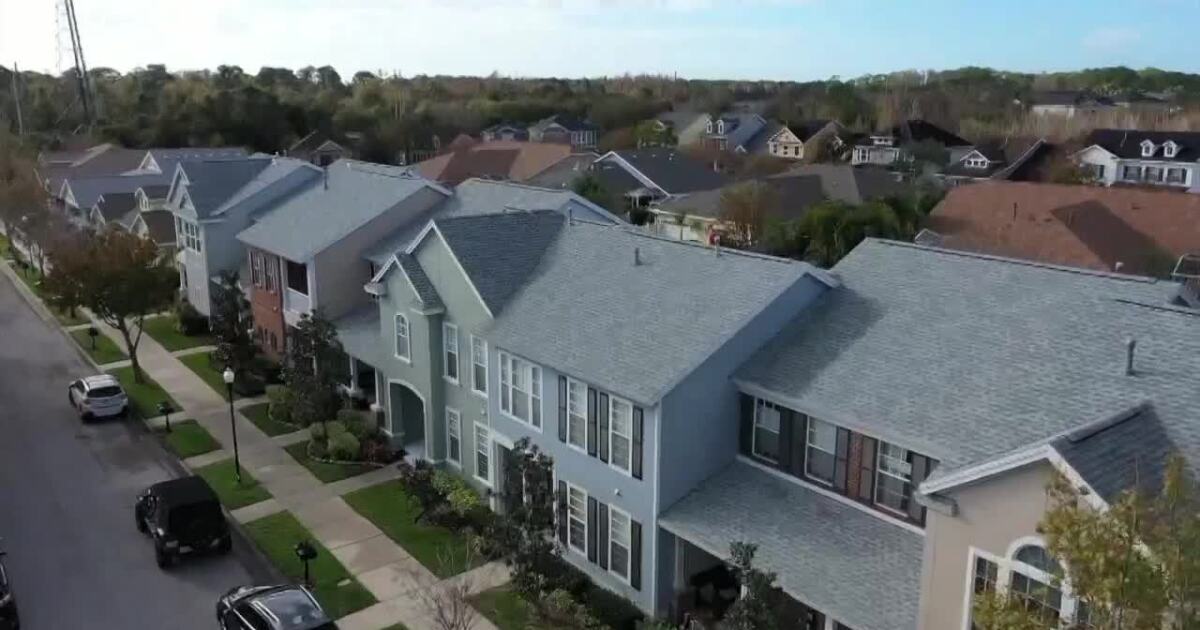
Both leaders acknowledge the pressing need for more housing, but their strategies diverge significantly. As housing costs continue to rise, outpacing wages and burdening renters, the stakes are high for their respective plans to resonate with the public.
Kamala Harris’s Vision for Affordable Housing
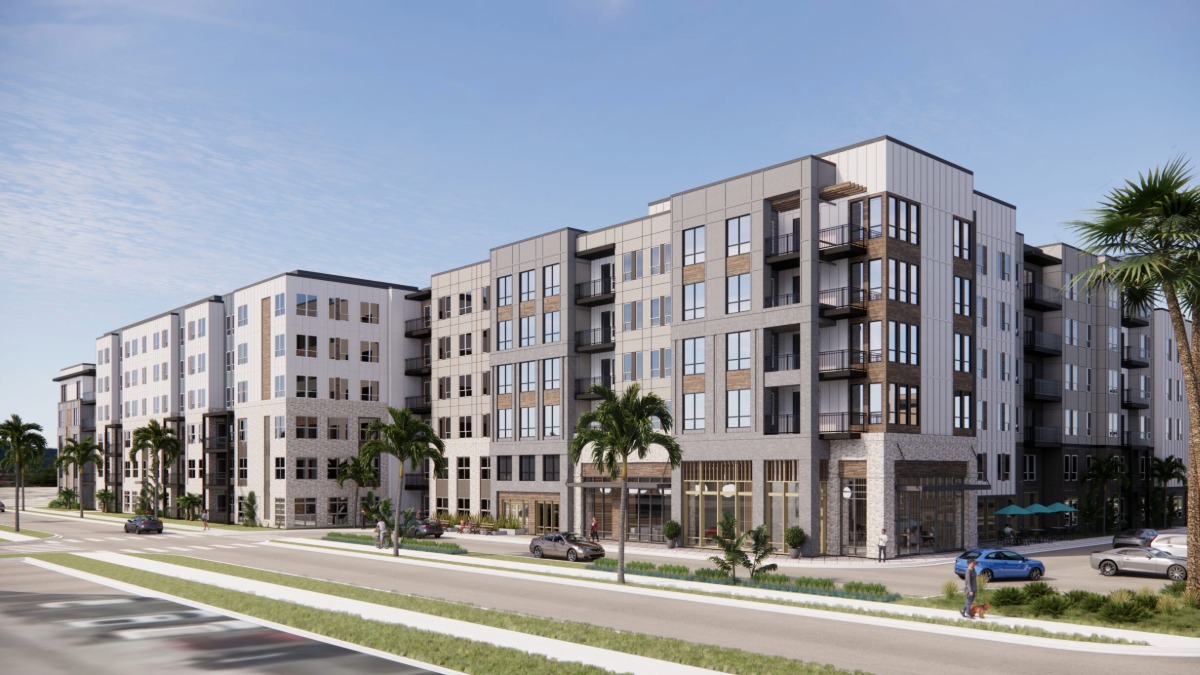
Vice President Harris brings a personal touch to her housing agenda, reflecting on her mother’s journey to homeownership. Her plan is a blend of increasing housing supply and providing financial support to aspiring homeowners. Harris aims to build three million new housing units, a goal she believes will alleviate the housing shortage and reduce costs.
To achieve this, Harris proposes expanding existing tax credits for affordable rental housing and introducing new incentives for building starter homes. Her plan includes a $40 billion fund to innovate housing construction and a $25,000 down payment assistance for first-time buyers, although some economists argue this could inadvertently drive prices higher.
Harris also targets corporate landlords, advocating for legislation to remove tax breaks from large investors and curb rent-increasing algorithms. Her comprehensive approach seeks to address both supply and demand in the housing market.
Donald Trump’s Approach to Housing Costs
Former President Trump’s housing strategy, while less detailed, focuses on deregulation and opening federal lands for development. Trump has frequently mentioned the need to build more homes and reduce regulatory barriers, echoing some of Harris’s sentiments.
Trump also emphasizes lowering mortgage rates, although the president does not directly set these rates. He links high mortgage rates to inflation and promises to bring them down by curbing inflation, despite critiques that some of his economic policies might exacerbate it.
Immigration and Housing
Trump and his vice-presidential nominee, JD Vance, have attributed rising housing costs to undocumented immigrants, suggesting that reducing illegal immigration would alleviate the pressure on housing prices. However, experts like Albert Saiz from MIT argue that while population growth can affect housing demand, the impact of immigration on prices is relatively small.
Trump’s proposed mass deportation of undocumented immigrants could decrease housing demand but might also lead to a shortage of construction workers, potentially increasing building costs.
As the 2024 election approaches, both candidates will need to convince voters that their housing strategies can effectively address the affordability crisis. For a deeper dive into their plans, the original NPR article provides comprehensive insights.
More Articles
Getting licensed or staying ahead in your career can be a journey—but it doesn’t have to be overwhelming. Grab your favorite coffee or tea, take a moment to relax, and browse through our articles. Whether you’re just starting out or renewing your expertise, we’ve got tips, insights, and advice to keep you moving forward. Here’s to your success—one sip and one step at a time!
Landmark Properties has officially begun construction on The Mark Tampa, a six‑story luxury student community featuring over 800 beds, rooftop amenities, study spaces, retail, and modern unit layouts. Set to open before the 2027–2028 school year, the project signals strong investor confidence in North Tampa’s booming student housing market.
Florida’s property and auto insurance crisis is intensifying, setting the stage for a major political showdown ahead of the 2026 elections. Republicans argue recent reforms are finally stabilizing the market, while Democrats insist families are being crushed by soaring premiums and can’t wait for relief. With homeowners, condo associations, and insurers all feeling the pressure, lawmakers are preparing for one of the most consequential legislative battles in years.
Markets are betting heavily on a Federal Reserve rate cut in December, but that doesn’t guarantee lower mortgage rates. Even with an 85% chance of a cut priced in, mortgage rates move more with the 10‑year Treasury than the Fed itself — and recent history shows rates can rise even when the Fed eases. Today’s 6.43% average rate is the lowest in over a year, but still unpredictable, making financial readiness more important than trying to time the market.
Grand Junction is experiencing a powerful commercial real estate upswing, with 151 commercial units closed so far in 2025—a 36% jump from last year. Building permits are also up 23%, signaling expanding development momentum. Brokers say interest from national chains is accelerating the city’s evolution, bringing jobs, investment, and long‑term economic potential to Colorado’s Western Slope.
Nashville continues its rise as one of the nation’s most attractive real estate markets, landing the #6 spot in the Emerging Trends in Real Estate 2026 report from PwC and ULI. With strong demographic momentum, business expansion, and a development pipeline drawing national eyes, the city stands out amid shifting economic conditions. The report highlights fast‑growing sectors such as data centers, senior housing, and evolving office dynamics—offering real estate professionals valuable insight into where opportunities are emerging next.
Canada’s commercial real estate sector continues to evolve rapidly, with new data revealing major transactions, shifting investment patterns, and emerging economic signals across the country. From resilient retail spending to cooling construction and regional standouts like Montreal and the Prairies, this week’s CRE pulse—powered by Altus Group’s research team—gives real estate, mortgage, and finance professionals a sharp snapshot of the market forces to watch as 2025 winds down.