In the bustling arena of American politics, where clashes are common and agreements rare, Vice President Kamala Harris and former President Donald Trump find common ground on an issue that strikes at the heart of many voters: the escalating cost of housing.
Both leaders acknowledge the pressing need for more housing, but their strategies diverge significantly. As housing costs continue to rise, outpacing wages and burdening renters, the stakes are high for their respective plans to resonate with the public.
Kamala Harris’s Vision for Affordable Housing
Vice President Harris brings a personal touch to her housing agenda, reflecting on her mother’s journey to homeownership. Her plan is a blend of increasing housing supply and providing financial support to aspiring homeowners. Harris aims to build three million new housing units, a goal she believes will alleviate the housing shortage and reduce costs.
To achieve this, Harris proposes expanding existing tax credits for affordable rental housing and introducing new incentives for building starter homes. Her plan includes a $40 billion fund to innovate housing construction and a $25,000 down payment assistance for first-time buyers, although some economists argue this could inadvertently drive prices higher.
Harris also targets corporate landlords, advocating for legislation to remove tax breaks from large investors and curb rent-increasing algorithms. Her comprehensive approach seeks to address both supply and demand in the housing market.
Donald Trump’s Approach to Housing Costs
Former President Trump’s housing strategy, while less detailed, focuses on deregulation and opening federal lands for development. Trump has frequently mentioned the need to build more homes and reduce regulatory barriers, echoing some of Harris’s sentiments.
Trump also emphasizes lowering mortgage rates, although the president does not directly set these rates. He links high mortgage rates to inflation and promises to bring them down by curbing inflation, despite critiques that some of his economic policies might exacerbate it.
Immigration and Housing
Trump and his vice-presidential nominee, JD Vance, have attributed rising housing costs to undocumented immigrants, suggesting that reducing illegal immigration would alleviate the pressure on housing prices. However, experts like Albert Saiz from MIT argue that while population growth can affect housing demand, the impact of immigration on prices is relatively small.
Trump’s proposed mass deportation of undocumented immigrants could decrease housing demand but might also lead to a shortage of construction workers, potentially increasing building costs.
As the 2024 election approaches, both candidates will need to convince voters that their housing strategies can effectively address the affordability crisis. For a deeper dive into their plans, the original NPR article provides comprehensive insights.
More Articles
Getting licensed or staying ahead in your career can be a journey—but it doesn’t have to be overwhelming. Grab your favorite coffee or tea, take a moment to relax, and browse through our articles. Whether you’re just starting out or renewing your expertise, we’ve got tips, insights, and advice to keep you moving forward. Here’s to your success—one sip and one step at a time!
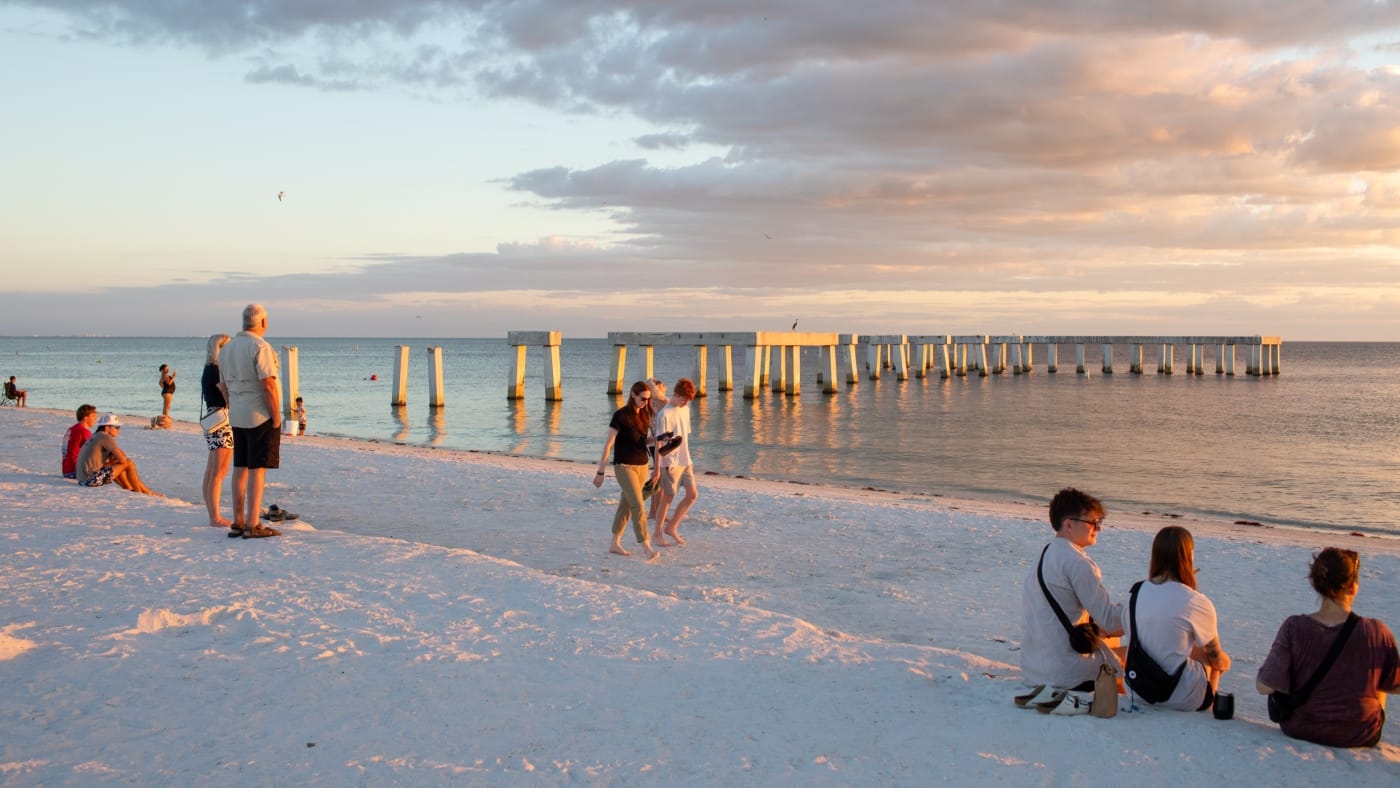
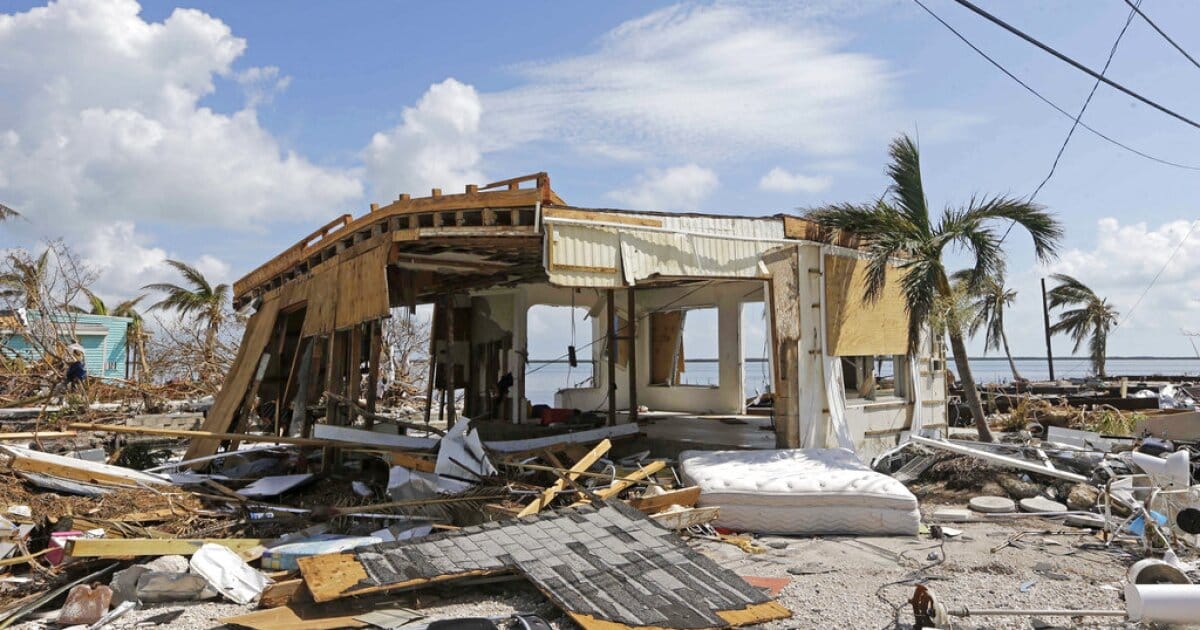
Skyrocketing insurance premiums and soaring rebuilding costs are transforming communities across Southwest Florida, especially in the wake of Hurricane Ian. As longtime residents struggle to keep up with rising financial pressure, wealthier newcomers and stricter building standards are reshaping the identity of places like Fort Myers Beach. With insurance rates now driving home sales, triggering potential foreclosures, and squeezing both owners and renters, Florida’s middle-class families face a growing question: can they afford to stay in the state they love?
Florida’s insurance industry is stabilizing fast, with nearly 1.6 million policies shifting from Citizens to private insurers and litigation dropping sharply. Regulators report stronger market confidence, decreasing premiums, and renewed competition—signaling one of the healthiest periods the state has seen in years.
A Leon County judge has ordered the restart of arbitration for Citizens Property Insurance claims, directly conflicting with a previous ruling that halted the process as potentially unconstitutional. With more than 400 cases now back in motion, real estate, insurance, and mortgage professionals can expect renewed activity in claim disputes and fresh uncertainty as Florida courts clash over the legality of Citizens’ arbitration system.
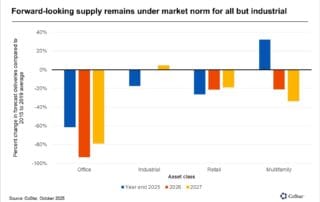
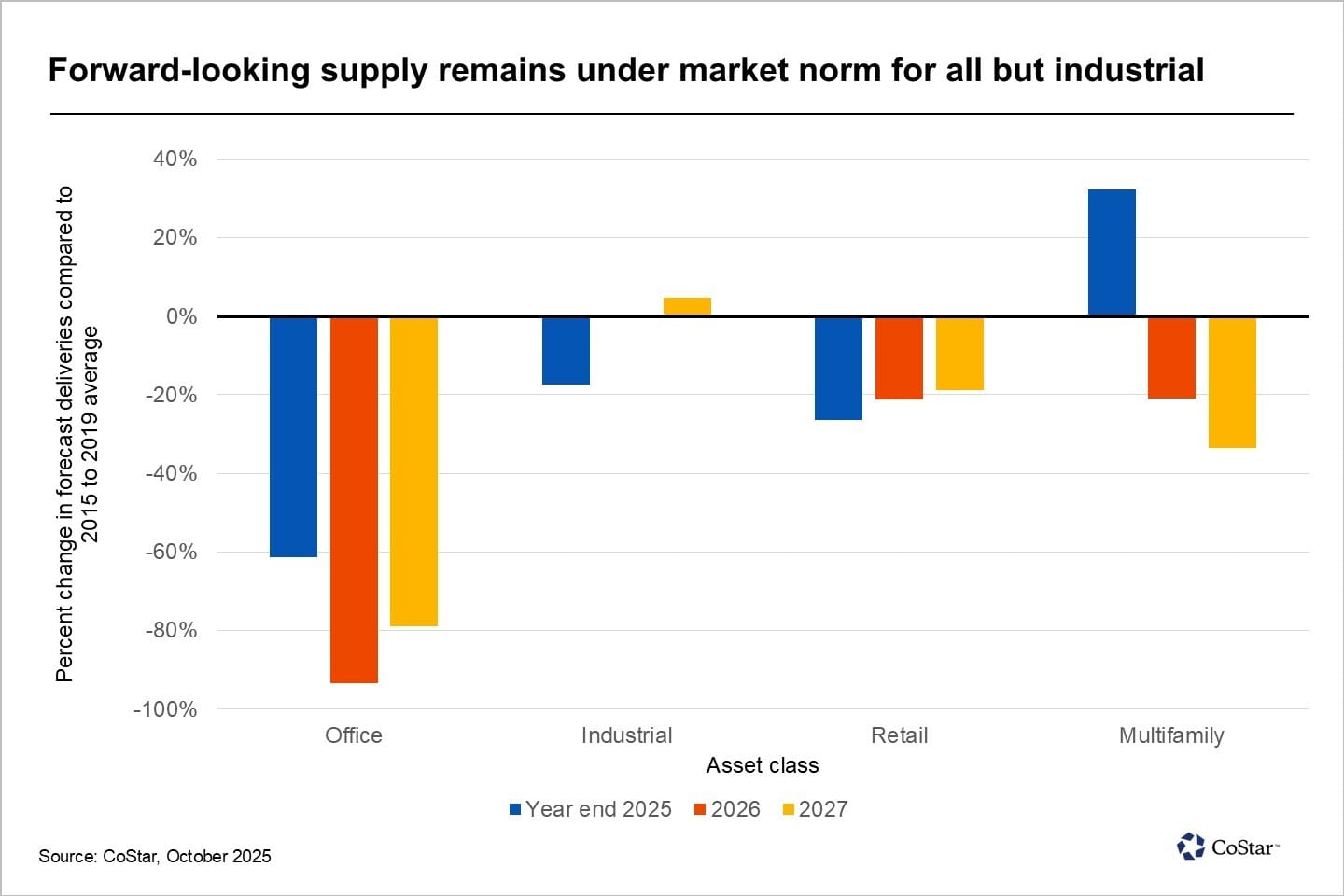
The DFW market is transitioning into a new construction phase marked by a slowdown in office development, a more selective approach to industrial projects, and an evolving housing landscape shaped by affordability and population growth. Developers are recalibrating their priorities, and for real estate professionals, understanding these shifts offers a critical edge in navigating—and capitalizing on—the next phase of the metroplex’s growth.
A new federal lawsuit claims Zillow pushed homebuyers toward Zillow Home Loans by rewarding affiliated agents with valuable leads — all without proper disclosure. The suit alleges undisclosed incentives, referral quotas, and potential RESPA violations, raising major concerns about steering, fiduciary duties, and Zillow’s expanding mortgage ambitions.
The mortgage industry is evolving fast, and the lenders who come out on top will be those who innovate without uprooting what already works. By building on strong technology foundations, streamlining workflows and adopting smart automation, lenders can reduce costs, improve customer experience and stay resilient in any market cycle. This article breaks down why innovation matters now, how a stable tech ecosystem protects lenders in volatile conditions and why small, strategic steps can drive long-term transformation.