In the heated arena of the U.S. presidential race, Vice President Kamala Harris has been making waves with her pointed critiques of former President Donald Trump’s business history. During a rally in Charlotte, North Carolina, on September 12, Harris unveiled her proposal for a $50,000 tax deduction aimed at small business startups. She then took a direct jab at Trump, asserting, “You know, not everybody started out with $400m on a silver platter and then filed for bankruptcy six times.”
Harris’s remarks have sparked a flurry of fact-checking, with many turning to a recent article from Al Jazeera that delves into the veracity of these claims. The article references a comprehensive 2018 analysis by The New York Times, revealing that Trump did indeed receive approximately $413 million from his father, Fred Trump, over his lifetime. However, this sum was not a single lump sum at the start of his career but rather dispersed over many years.
During a recent debate, Trump countered Harris’s claims, stating, “I wasn’t given $400m. I wish I was. My father was a Brooklyn builder. Brooklyn, Queens. And a great father, and I learned a lot from him. But I was given a fraction of that, a tiny fraction, and I built it into many, many billions of dollars.” The debate further intensified when Harris reiterated her points in a conversation hosted by Oprah Winfrey.
The Al Jazeera article also examines the claim of Trump’s six bankruptcies, confirming its accuracy. Trump’s financial struggles included high-profile bankruptcies such as the Trump Taj Mahal casino in 1991 and Trump Entertainment Resorts in 2009, among others. Experts have noted that while Trump did experience these financial setbacks, they are not uncommon in the business world.
Our Ruling
While Harris’s statement about Trump’s business beginnings contains elements of truth, it omits significant details. The New York Times investigation clarifies that Trump did not start his business career with $400 million readily available. Instead, he had the prospect of inheriting a portion of his father’s substantial real estate empire. This nuanced reality leads us to rate Harris’s statement as Half True.
Conclusion
As the presidential race progresses, the scrutiny of candidates’ claims remains crucial. Harris’s comments highlight the ongoing debate about wealth and privilege in America, while Trump’s rebuttal underscores the complexities of his business legacy. The full story, as always, is layered and multifaceted.
More Articles
Getting licensed or staying ahead in your career can be a journey—but it doesn’t have to be overwhelming. Grab your favorite coffee or tea, take a moment to relax, and browse through our articles. Whether you’re just starting out or renewing your expertise, we’ve got tips, insights, and advice to keep you moving forward. Here’s to your success—one sip and one step at a time!
In the fast-evolving world of insurance, a transformative shift is underway, driven by the development of customer-centric ecosystems. As highlighted in a comprehensive study by EY, insurance ecosystems are reshaping the industry by focusing on customer engagement, trust, and operational excellence.
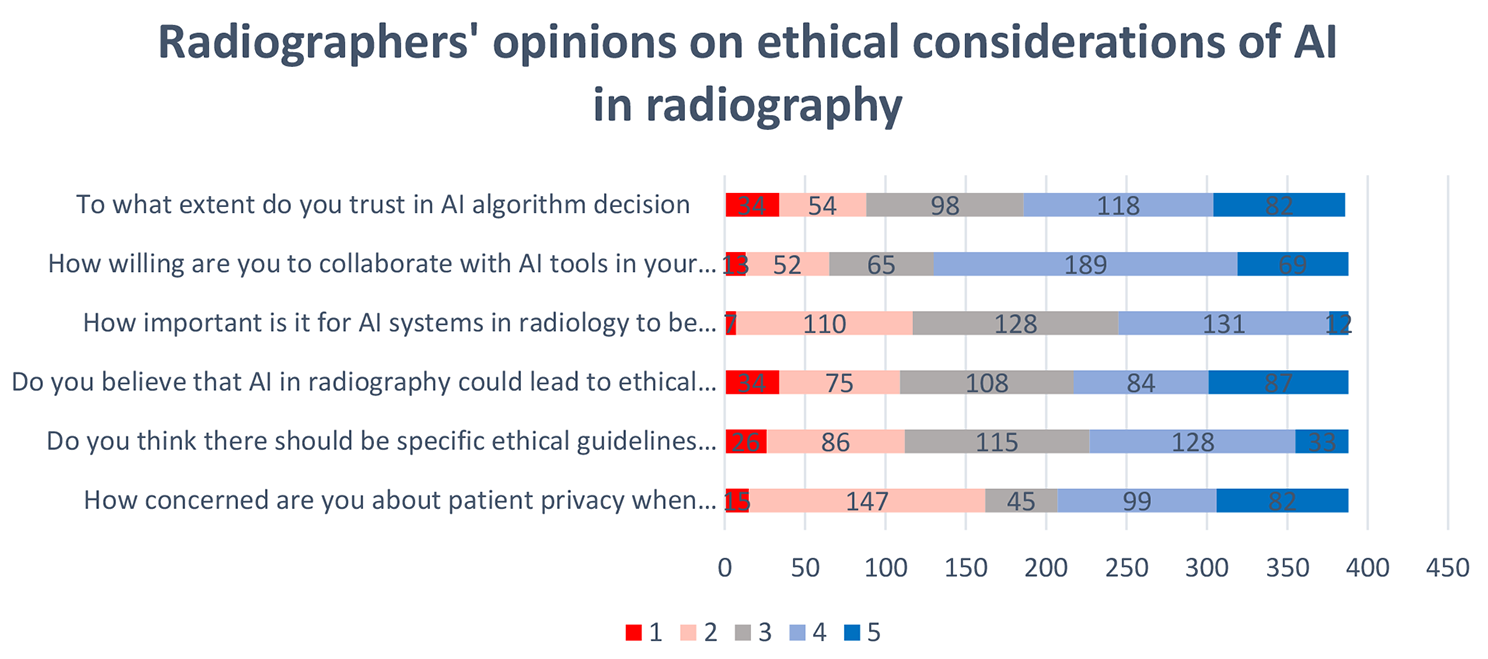
The integration of artificial intelligence in radiography brings a host of ethical challenges that demand careful consideration. A recent study highlights the diverse perspectives of radiographers, revealing significant knowledge gaps and varying trust levels in AI-driven decisions. Concerns over patient privacy and the need for dedicated ethical guidelines are pivotal as healthcare embraces AI.
AI tools are already delivering significant value and are poised to further transform healthcare. Embracing these changes today will position organizations and individuals to capture the long-term benefits of a more effective, efficient, and personalized healthcare system.
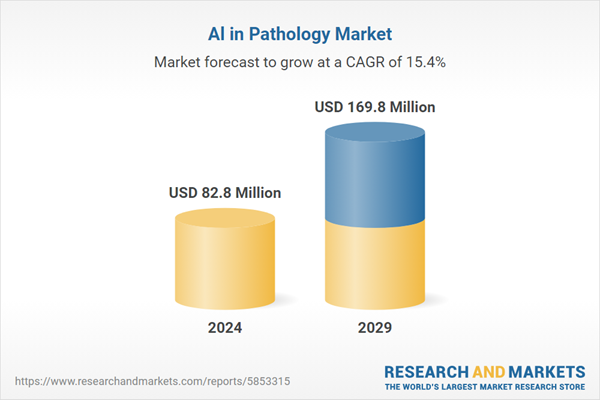
AI in pathology is revolutionizing the field by enhancing the analysis of clinical data, genomic information, and disease progression. These advancements are not only streamlining personalized treatment plans but also optimizing healthcare resource allocation.
In an era where data reigns supreme, the integration of artificial intelligence (AI) and machine learning (ML) into the realm of precision medicine is not just a possibility but a burgeoning reality.