The financial landscape in South Korea is poised for a seismic shift as KBank, a major digital bank, grapples with a legislative curveball. The bank, which is heavily reliant on deposits from Upbit, Korea’s dominant cryptocurrency exchange, is facing a potential profit squeeze. The new Virtual Asset User Protection Act, set to take effect on July 19, 2024, mandates that banks must pay interest on crypto exchange deposits, a move that could severely impact KBank’s bottom line.


Currently, Upbit client deposits constitute a substantial 5 trillion won, approximately $3.6 billion, which is over 20% of KBank’s total client balances. While this figure reflects a decrease from previous levels, the impending requirement to pay interest could almost nullify the bank’s profits. The anticipated interest rate stands at 1%, a significant increase from the current 0.1% KBank pays. This change could necessitate an expenditure of around 50 billion won ($36 million), a figure alarmingly close to the bank’s profit margins.


The timing of this legislative change poses a particular challenge for KBank as it readies itself for an initial public offering (IPO). The potential financial strain from interest payments on crypto deposits might devalue the bank, complicating its IPO ambitions.


Bank Dependence on the Crypto Sector

KBank’s situation is reminiscent of Silvergate Bank in 2023, which faced a similar predicament due to its reliance on the crypto sector. Silvergate eventually opted for a voluntary shutdown after experiencing mass withdrawals post-crypto crash, despite having plans to repay all depositors. Similarly, Signature Bank, which had some exposure to the crypto industry, also faced collapse, although management denied that cryptocurrency was the cause.


In South Korea, no other bank shares KBank’s level of exposure to cryptocurrency exchange deposits, making its situation unique. As the banking sector braces for the implications of this new law, KBank stands at a crossroads, navigating the fine line between innovation and financial stability.



More Articles

Getting licensed or staying ahead in your career can be a journey—but it doesn’t have to be overwhelming. Grab your favorite coffee or tea, take a moment to relax, and browse through our articles. Whether you’re just starting out or renewing your expertise, we’ve got tips, insights, and advice to keep you moving forward. Here’s to your success—one sip and one step at a time!

Revolutionizing Real Estate with IoT: A New Era of Smart Homes

The real estate industry is on the brink of a transformation, driven by the integration of the Internet of Things (IoT). This technological advancement is reshaping how buildings operate and enhancing tenant experiences across the globe.

New Orleans as a Beacon of Resilience: The Sixth Triennial

"This framework postulates New Orleans as already living in the future," said Patterson during the exhibition's opening. Lash added, "We want to show New Orleans as a gift and as a scout." The exhibition, featuring 51 artists across 21 venues, highlights how contemporary art can serve as an engine of coping, rather than mere recovery.

By |March 6, 2025|Categories: Art, Article, Culture|Tags: , |0 Comments

Navigating Trump’s Tax Proposals: Key Changes Ahead

As the dust settles on the recent Republican victory in the U.S. presidential election, the tax landscape is poised for significant changes with President-elect Donald Trump set to return to the White House.

By |March 6, 2025|Categories: Article, Tax Policy, U.S. Politics|Tags: , |0 Comments

Multifamily Housing Sector: Modest Growth and Market Predictions for 2025

As we step into 2025, the multifamily housing sector is projected to experience modest growth. Yardi Matrix anticipates a 1.5% increase in rents, driven by positive economic conditions and stable industry fundamentals, particularly in the Northeast and Midwest regions. However, the rent growth forecasts vary across different markets.

Renter Preferences for 2024: Insights from Industry Surveys

Recent surveys have shed light on the preferences and priorities of renters in 2024, emphasizing the dominance of digital marketing and the importance of community inclusiveness.

AI Revolutionizes the Real Estate Market

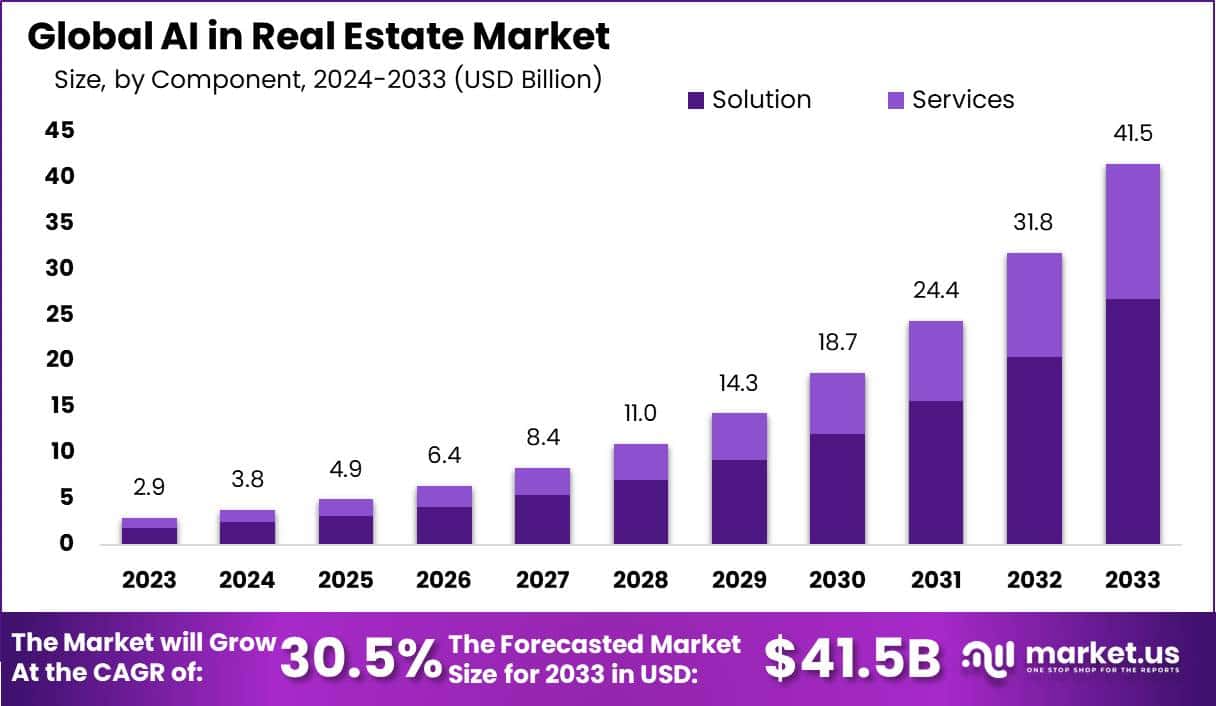
The real estate industry is on the brink of a technological transformation, with Artificial Intelligence (AI) playing a pivotal role. According to a recent report by Market.us, the AI in real estate market is projected to surge from USD 2.9 Billion in 2023 to a staggering USD 41.5 Billion by 2033, growing at an impressive CAGR of 30.5%.