The financial landscape in South Korea is poised for a seismic shift as KBank, a major digital bank, grapples with a legislative curveball. The bank, which is heavily reliant on deposits from Upbit, Korea’s dominant cryptocurrency exchange, is facing a potential profit squeeze. The new Virtual Asset User Protection Act, set to take effect on July 19, 2024, mandates that banks must pay interest on crypto exchange deposits, a move that could severely impact KBank’s bottom line.


Currently, Upbit client deposits constitute a substantial 5 trillion won, approximately $3.6 billion, which is over 20% of KBank’s total client balances. While this figure reflects a decrease from previous levels, the impending requirement to pay interest could almost nullify the bank’s profits. The anticipated interest rate stands at 1%, a significant increase from the current 0.1% KBank pays. This change could necessitate an expenditure of around 50 billion won ($36 million), a figure alarmingly close to the bank’s profit margins.


The timing of this legislative change poses a particular challenge for KBank as it readies itself for an initial public offering (IPO). The potential financial strain from interest payments on crypto deposits might devalue the bank, complicating its IPO ambitions.


Bank Dependence on the Crypto Sector

KBank’s situation is reminiscent of Silvergate Bank in 2023, which faced a similar predicament due to its reliance on the crypto sector. Silvergate eventually opted for a voluntary shutdown after experiencing mass withdrawals post-crypto crash, despite having plans to repay all depositors. Similarly, Signature Bank, which had some exposure to the crypto industry, also faced collapse, although management denied that cryptocurrency was the cause.


In South Korea, no other bank shares KBank’s level of exposure to cryptocurrency exchange deposits, making its situation unique. As the banking sector braces for the implications of this new law, KBank stands at a crossroads, navigating the fine line between innovation and financial stability.


More Articles

Getting licensed or staying ahead in your career can be a journey—but it doesn’t have to be overwhelming. Grab your favorite coffee or tea, take a moment to relax, and browse through our articles. Whether you’re just starting out or renewing your expertise, we’ve got tips, insights, and advice to keep you moving forward. Here’s to your success—one sip and one step at a time!

Artificial Intelligence in Diagnostics: A Revolution in Healthcare

The global market for artificial intelligence in diagnostics is poised for remarkable growth, with projections estimating it to reach USD 7.3 billion by 2032.

By |December 10, 2024|Categories: Article, Artificial Intelligence, Healthcare|Tags: , |0 Comments

Revolutionizing Medical Education with Extended Reality

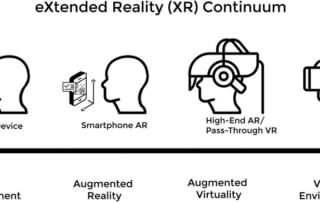
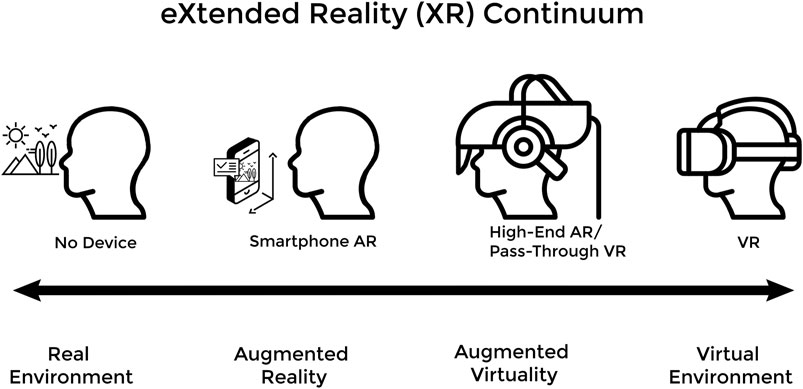
In the ever-evolving landscape of medical education, a new player has emerged, promising to revolutionize the way future doctors are trained. The integration of eXtended Reality (XR) technologies is reshaping the educational landscape by addressing the limitations of traditional methods.

Genetic Testing: A New Dawn in Healthcare

Genetic testing represents more than just a scientific advancement; it signifies a fundamental shift in how we approach health and wellness.

Sustainable Architecture: Blending Innovation with Ecological Responsibility

The journey toward sustainable architecture is ongoing, with each project serving as a beacon of what's achievable when creativity meets ecological awareness.

By |December 9, 2024|Categories: Architecture, Article, Sustainability|Tags: |0 Comments

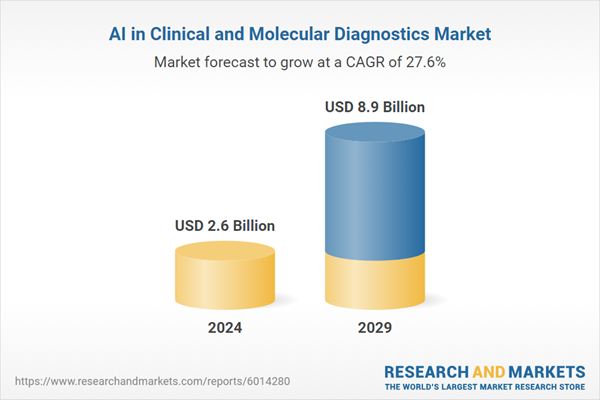
AI in Clinical and Molecular Diagnostics: A Market on the Rise

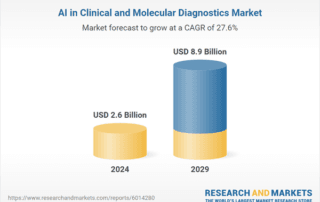
AI in Clinical and Molecular Diagnostics Market is set to experience remarkable growth, projected to surge from USD 2.6 billion in 2024 to USD 8.9 billion by 2029. This growth is driven by the integration of advanced AI technologies such as machine learning and deep learning into traditional diagnostic methodologies like imaging, genomics, and laboratory testing.

AI: A Revolution in Healthcare’s Future

AI is not a distant dream but a present reality, already integrated into everyday life through virtual assistants like Alexa and Siri. AI shows promise in enhancing medical accuracy, such as in predicting mesothelioma survival and improving colonoscopy accuracy, it is not intended to replace healthcare professionals.