In the ever-evolving landscape of real estate, Lalit Goyal IREO provides a compelling vision for the future, highlighting the transformative power of emerging technologies. As the industry embraces a digital-first approach, Goyal emphasizes the critical role of IoT and smart homes, AI, machine learning, blockchain, and AR/VR in reshaping the market dynamics.


AI and Machine Learning: A New Era of Real Estate Insights

Artificial Intelligence (AI) and machine learning are revolutionizing the way real estate professionals predict market trends and interact with clients. According to Goyal, AI-driven algorithms offer unprecedented accuracy in forecasting property values and market demands. “AI has revolutionized how we approach the market,” he notes, underscoring the technology’s ability to enhance customer relations through personalized experiences.


Blockchain: The Backbone of Secure Transactions

In tackling the perennial issues of transaction security and transparency, blockchain technology emerges as a game-changer. By providing an immutable ledger for property transactions, blockchain mitigates risks associated with fraud and ensures a smoother, more transparent buying process. Goyal asserts, “Blockchain is the future of property transactions,” envisioning a secure, fraud-resistant marketplace.


IoT and Smart Homes: The New Standard

With the rise of the Internet of Things (IoT), the demand for connected homes is surging. These smart homes, equipped with intelligent systems and appliances, are becoming the norm rather than the exception. Goyal emphasizes, “Connected homes are no longer a luxury but a standard,” urging developers to integrate IoT from the outset to meet modern buyers’ expectations.


Virtual Tours and AR/VR: Enhancing the Buyer Experience

Augmented reality (AR) and virtual reality (VR) technologies offer prospective buyers an immersive experience, allowing them to explore properties remotely. Goyal highlights the value of virtual tours, which bridge the gap between online and physical buying experiences, offering clients a comprehensive preview of properties from anywhere in the world.


Lalit Goyal’s Vision for the Future of Real Estate

As an industry leader, Goyal stresses the importance of adopting technology as a core strategy to stay competitive. He envisions a future where technology is integrated at every stage of real estate development. “Technology is no longer optional,” Goyal advises, advocating for a proactive approach to embracing advancements and responding to evolving customer expectations.


In conclusion, the integration of technologies like AI, blockchain, IoT, and AR/VR is reshaping real estate, enabling greater accuracy, transparency, and customer satisfaction. As Goyal articulates, industry veterans must adopt these technologies to remain relevant and successful in a digital-first world. For more insights, refer to the original article from ET CIO.


More Articles

Getting licensed or staying ahead in your career can be a journey—but it doesn’t have to be overwhelming. Grab your favorite coffee or tea, take a moment to relax, and browse through our articles. Whether you’re just starting out or renewing your expertise, we’ve got tips, insights, and advice to keep you moving forward. Here’s to your success—one sip and one step at a time!

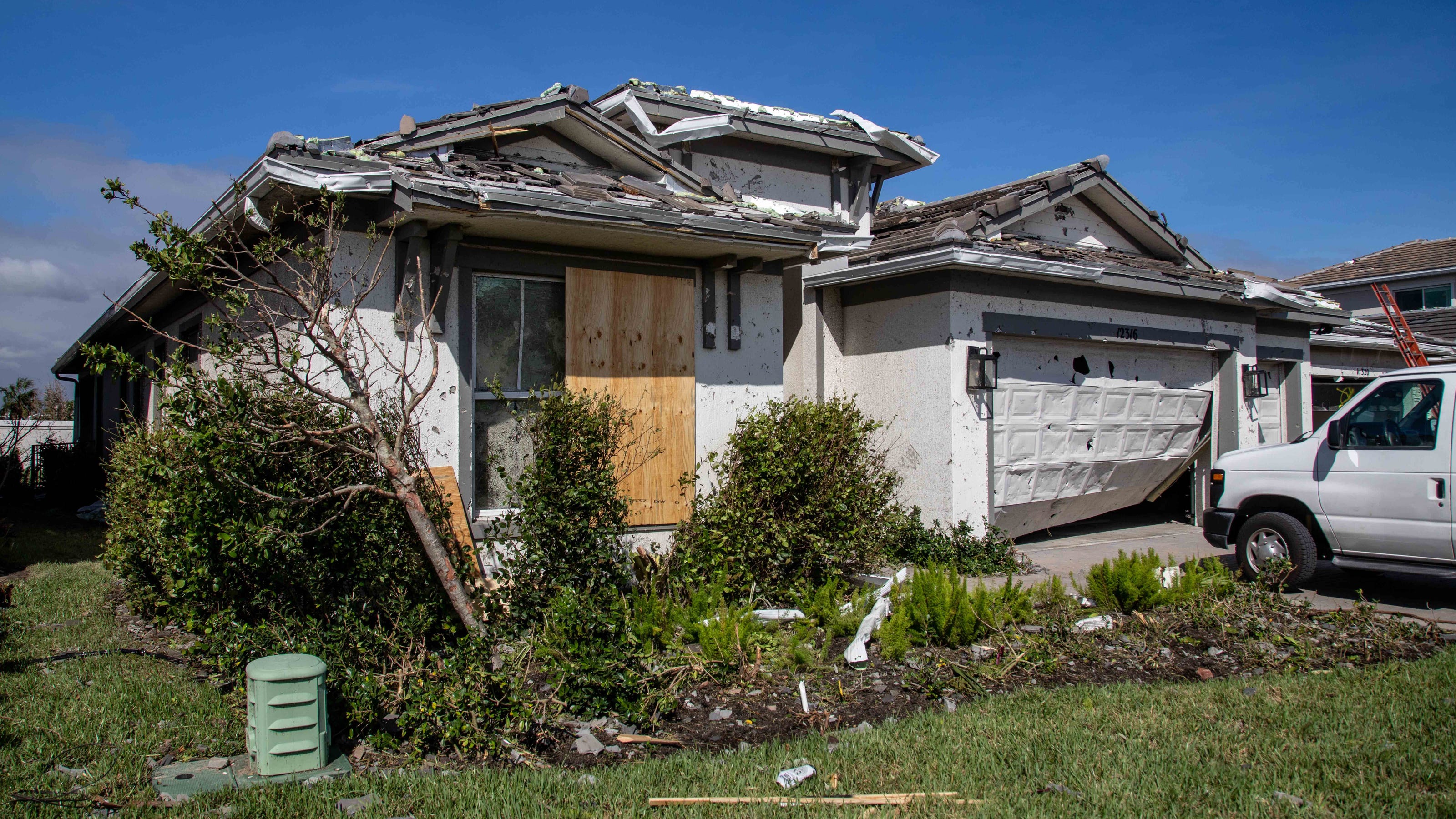
Nevada Becomes First State to Allow Homeowners Insurance Without Wildfire Coverage

Nevada has enacted a first‑in‑the‑nation law permitting insurers to sell homeowners policies that exclude wildfire coverage, a move supporters say could help stabilize premiums but critics warn may leave homeowners financially devastated. The policy shift positions Nevada as a testing ground for potential nationwide changes, raising major implications for real estate, mortgage, and insurance professionals as lenders, high‑risk communities, and regulators navigate the evolving landscape.

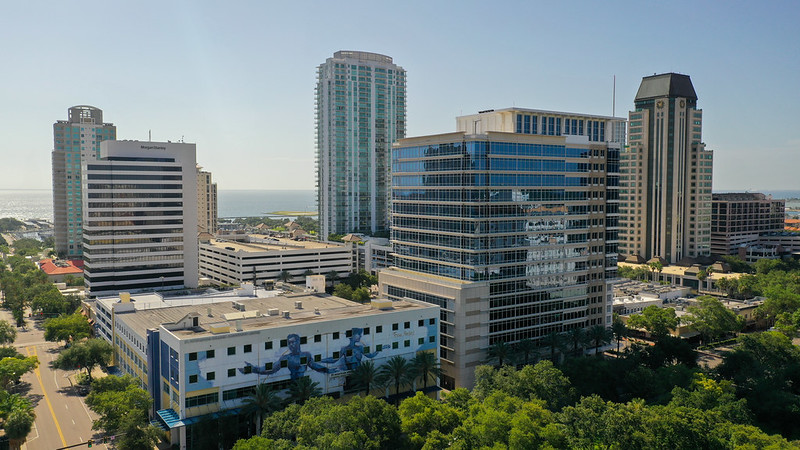
Tampa Bay Office Market Ends 2025 with Its Strongest Performance Since 2016

Tampa Bay’s office sector just delivered its most powerful year in nearly a decade, according to JLL’s Q4 2025 report. With more than 600,000 square feet of positive net absorption, falling vacancies, shrinking inventory, and major tenants like Fisher Investments and GEICO locking in massive leases, the region is emerging as one of the nation’s strongest post‑recovery office markets. The surge in demand for high‑quality space is driving rents up, tightening supply, and setting the stage for continued momentum into 2026.

CFPB Unveils Key Updates to Mortgage Registry Data Rules

The Consumer Financial Protection Bureau has proposed new updates to the Nationwide Mortgage Licensing System and Registry, expanding data collection, tightening verification standards, and refreshing record‑retention rules. These changes aim to strengthen background checks, enhance regulatory oversight, and align the system with federal requirements—impacting both current and aspiring mortgage loan originators nationwide.

Nevada Breaks New Ground With Controversial Wildfire‑Excluded Insurance Policies

Nevada has become the first state to let insurers sell homeowners policies that exclude wildfire coverage — a dramatic shift that could reshape insurance pricing across the West. Supporters say the move may lower premiums and spark innovation, while critics warn it could leave homeowners exposed to devastating losses. As regulators and insurers nationwide watch closely, the experiment could have major implications for real estate, mortgages, and insurance markets.

Florida’s Insurance Crisis Finally Eases as New Bills Target Lower Premiums and Greater Transparency

After years of soaring premiums and insurer failures, Florida lawmakers are rolling out a new slate of reforms aimed at finally delivering relief to homeowners. From cracking down on profit‑sharing affiliates to unveiling hidden rate factors and rewarding claim‑free residents, these proposals could reshape the state’s insurance landscape — and bring real savings to property owners and real estate professionals alike.

C‑PACE Financing Hits New Record as Developers Turn to Alternative Capital

With traditional CRE lending slowing nationwide, C‑PACE financing is surging to all‑time highs — including a record‑setting $465 million loan for a major D.C. redevelopment. Backed by long repayment terms, fixed rates, and tax‑assessment security, C‑PACE is rapidly becoming a preferred tool for funding energy efficiency, resiliency upgrades, and even large‑scale project recapitalizations. Major players like Nuveen Green Capital and Peachtree Group are driving billions in new volume as 40 states adopt the program, signaling a major shift in how commercial real estate projects are financed.