In the ever-evolving landscape of real estate, Lalit Goyal IREO provides a compelling vision for the future, highlighting the transformative power of emerging technologies. As the industry embraces a digital-first approach, Goyal emphasizes the critical role of IoT and smart homes, AI, machine learning, blockchain, and AR/VR in reshaping the market dynamics.


AI and Machine Learning: A New Era of Real Estate Insights

Artificial Intelligence (AI) and machine learning are revolutionizing the way real estate professionals predict market trends and interact with clients. According to Goyal, AI-driven algorithms offer unprecedented accuracy in forecasting property values and market demands. “AI has revolutionized how we approach the market,” he notes, underscoring the technology’s ability to enhance customer relations through personalized experiences.


Blockchain: The Backbone of Secure Transactions

In tackling the perennial issues of transaction security and transparency, blockchain technology emerges as a game-changer. By providing an immutable ledger for property transactions, blockchain mitigates risks associated with fraud and ensures a smoother, more transparent buying process. Goyal asserts, “Blockchain is the future of property transactions,” envisioning a secure, fraud-resistant marketplace.


IoT and Smart Homes: The New Standard

With the rise of the Internet of Things (IoT), the demand for connected homes is surging. These smart homes, equipped with intelligent systems and appliances, are becoming the norm rather than the exception. Goyal emphasizes, “Connected homes are no longer a luxury but a standard,” urging developers to integrate IoT from the outset to meet modern buyers’ expectations.


Virtual Tours and AR/VR: Enhancing the Buyer Experience

Augmented reality (AR) and virtual reality (VR) technologies offer prospective buyers an immersive experience, allowing them to explore properties remotely. Goyal highlights the value of virtual tours, which bridge the gap between online and physical buying experiences, offering clients a comprehensive preview of properties from anywhere in the world.


Lalit Goyal’s Vision for the Future of Real Estate

As an industry leader, Goyal stresses the importance of adopting technology as a core strategy to stay competitive. He envisions a future where technology is integrated at every stage of real estate development. “Technology is no longer optional,” Goyal advises, advocating for a proactive approach to embracing advancements and responding to evolving customer expectations.


In conclusion, the integration of technologies like AI, blockchain, IoT, and AR/VR is reshaping real estate, enabling greater accuracy, transparency, and customer satisfaction. As Goyal articulates, industry veterans must adopt these technologies to remain relevant and successful in a digital-first world. For more insights, refer to the original article from ET CIO.


More Articles

Getting licensed or staying ahead in your career can be a journey—but it doesn’t have to be overwhelming. Grab your favorite coffee or tea, take a moment to relax, and browse through our articles. Whether you’re just starting out or renewing your expertise, we’ve got tips, insights, and advice to keep you moving forward. Here’s to your success—one sip and one step at a time!

How AI Is Transforming Financial Advisors’ Daily Routines in 2026

In 2026, financial advisors are no longer just experimenting with AI — they’re relying on it. Once confined to back-office duties, AI now supports meeting prep, portfolio analysis, and even early-stage financial planning. Advisors say the tech is strengthening client relationships by freeing them from administrative overload, though entry-level roles like paraplanners may feel the squeeze as automation accelerates.

AI Is Outpacing the Mortgage Industry’s Cyber Defenses as Attacks Surge

Cybercriminals are weaponizing AI to launch highly convincing email scams and system breaches across the mortgage industry, overwhelming lenders and servicers whose cybersecurity measures can’t keep up. With major companies already hit and regulation lagging behind, experts warn the sector—now considered critical infrastructure—must rapidly upgrade protections, collaborate on threat intelligence, and improve AI governance before the risks escalate further.

Hidden Housing Costs May Become 2026’s Most Dangerous Budget Buster

Escrow payments are quietly surging across the country as property taxes and insurance premiums spike—pushing many homeowners toward delinquencies and even foreclosure. New data from Cotality shows the sharpest increases hitting the South and Midwest, with Florida among the hardest‑hit states. Even with fixed mortgage rates, rising escrow requirements are driving monthly payments higher and threatening affordability heading into 2026.

Milwaukee’s Commercial Real Estate Market Is Turning the Corner

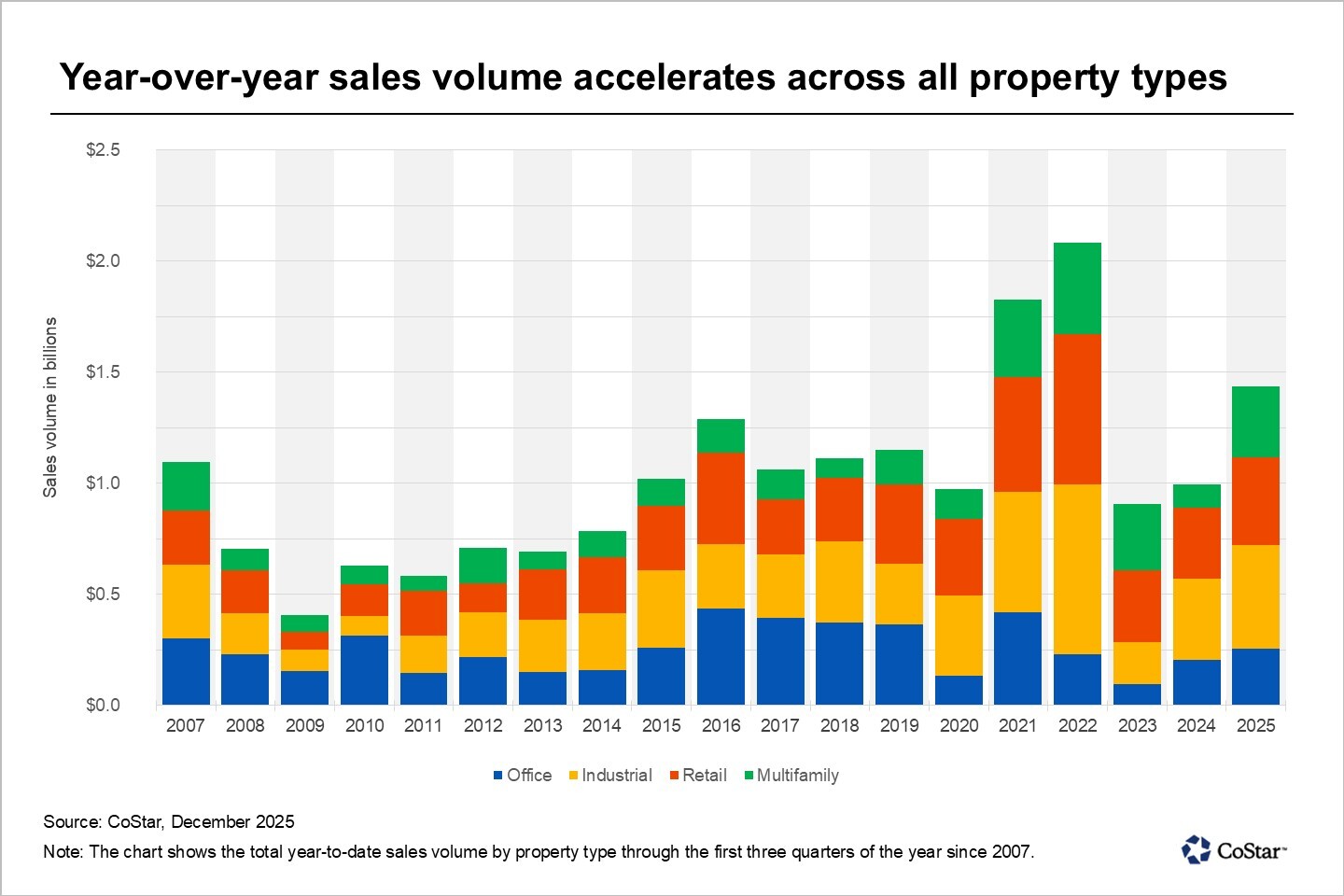
Milwaukee entered 2025 with renewed momentum, posting its strongest commercial real estate sales volume in three years. After a period of uncertainty and high capital costs, investors are returning with a sharper focus on quality assets, realistic pricing, and reliable cash flow. Activity is increasing across industrial, office, multifamily, and retail sectors, signaling a broad-based recovery fueled by stabilizing interest rates and improved market confidence.

Title Insurance Leaders Lean Into Tech, Efficiency, and Resilience for 2026

As 2026 approaches, the title insurance industry is navigating a complex mix of market recovery, rising fraud threats, and sweeping regulatory changes. Industry leaders say the path forward centers on smarter technology, leaner operations, and stronger support for title agents. With AI-driven workflows, enhanced fraud prevention, and new compliance demands—including FinCEN’s expanded Geographic Targeting Orders—companies like Stewart and First American are reshaping how title work gets done. For real estate and mortgage professionals, the year ahead promises more automation, heightened standards, and major opportunities for those who stay ahead of the curve.

Technology and the Future of Real Estate: Innovation Reshaping 2025

The real estate industry is undergoing a major transformation in 2025 as advancements in AI, proptech, blockchain, and data intelligence redefine how properties are marketed, valued, financed, and experienced. From instant digital valuations and immersive virtual tours to tokenized investments and predictive analytics, technology is reshaping every stage of the real estate lifecycle. Professionals who embrace these innovations—while maintaining the human expertise clients still rely on—will lead the next era of the industry.