Large CRE Deals Come Roaring Back: What Q3 2025 Means for Today’s Professionals
After several quarters of hesitation, the U.S. commercial real estate market saw a major pulse of confidence in Q3 2025. According to fresh data from Altus Group, large single‑asset deals valued at $10 million or more surged back into the spotlight, hitting $76 billion for the quarter — the strongest performance since 2022.
For professionals across real estate, finance, and investment sectors, this shift isn’t just a statistic. It’s a directional signal: liquidity is returning, high‑value buyers are stepping back in, and the upper tier of the market is showing long‑awaited signs of normalization.
The Return of the Big Deal
Altus Group’s Q3 2025 Investment & Transactions Report reveals a notable trend reversal. For the first time in several quarters, both quarterly and annual deal counts increased. But what truly stands out is the composition — large, single‑asset transactions made a powerful comeback.
Q3 2025 recorded 1,826 single‑asset deals above $10M — the highest since Q3 2022.
This accounted for nearly 68% of all single‑asset dollars traded, a level not seen since mid‑2022. Even outside the record‑breaking volatility of the post‑pandemic period, this quarter delivered the strongest growth rate for major deals in more than a decade.
A Market Rebound — But Not a Full Return to Peak Conditions
Despite the strong resurgence in activity, overall transaction volume still trails the highs of 2021 and 2022. The main cause? Deal size. The median large‑deal value landed at $19.6 million, roughly 9% below the late 2021 peak of $21.4 million.
Every major sector remains below its historic high:
Office continues to be the long‑term laggard, while industrial remains closest to full recovery. Multifamily, meanwhile, is showing renewed momentum with a 14.2% rise from post‑pandemic lows.
Pricing Trends Hint at Stabilization
The median price per square foot across property types rose 0.6% both quarterly and annually — a subtle but encouraging sign of stabilization. Office properties, however, continue their downward drift, losing 3% QoQ and 4.4% YoY.
Investors appear increasingly comfortable re‑entering the market, even if valuations remain below peak highs — suggesting improved price discovery and growing confidence in long‑term underwriting.
Why This Matters for Today’s Professionals
Commercial real estate often acts as a barometer for broader economic risk appetite. The return of large‑scale deals signals that institutional players believe conditions are returning to equilibrium. For real estate agents, mortgage professionals, and investors, this means new opportunities are emerging.
For those looking to upskill or transition into CRE roles, now is the time to enhance your professional profile. Schools like Cameron Academy provide flexible, career‑focused licensing and continuing education designed to keep professionals competitive during shifting market cycles.
A Step Toward Market Normalization
The key question now: will this momentum continue? As borrowing costs settle and underwriting clarity improves, Q4 and early 2026 could bring even greater liquidity — or a cautious pause.
For now, Q3 stands as the clearest sign in years that capital is flowing back into the big‑deal segment — and that investors are once again ready to make meaningful, future‑focused moves.
Getting licensed or staying ahead in your career can be a journey—but it doesn’t have to be overwhelming. Grab your favorite coffee or tea, take a moment to relax, and browse through our articles. Whether you’re just starting out or renewing your expertise, we’ve got tips, insights, and advice to keep you moving forward. Here’s to your success—one sip and one step at a time!
Local elections across major U.S. cities have kicked off a wave of policy changes that could reshape development costs, rental income, and investment strategies heading into 2026. From NYC’s aggressive tenant‑protection agenda to Chicago’s sustainability push, Miami’s political uncertainty, and Boston’s steady zoning overhaul, the post‑election environment is redefining how real estate professionals, investors, and lenders should prepare for the year ahead.
Insurance carriers are rapidly rolling out AI-related exclusions that strip coverage from claims involving AI tools, automated decision‑making, or generative platforms like ChatGPT and Midjourney. With firms like Berkley and Hamilton introducing sweeping “absolute” and generative‑AI‑specific exclusions, professionals in real estate, mortgage, insurance, and finance now face new liability gaps. As AI becomes unavoidable in everyday work, understanding these exclusions is essential for protecting your career and staying compliant in a fast‑changing risk environment.
Proptech startup Venn has raised a $52 million Series B to unify the entire renting lifecycle into one intelligent platform, replacing over a dozen traditional systems and serving more than half a million tenants. As AI‑powered tools like Venn rapidly reshape property operations, real estate professionals — especially in fast‑moving markets like Florida — will need stronger education and tech‑savvy skills to stay competitive.
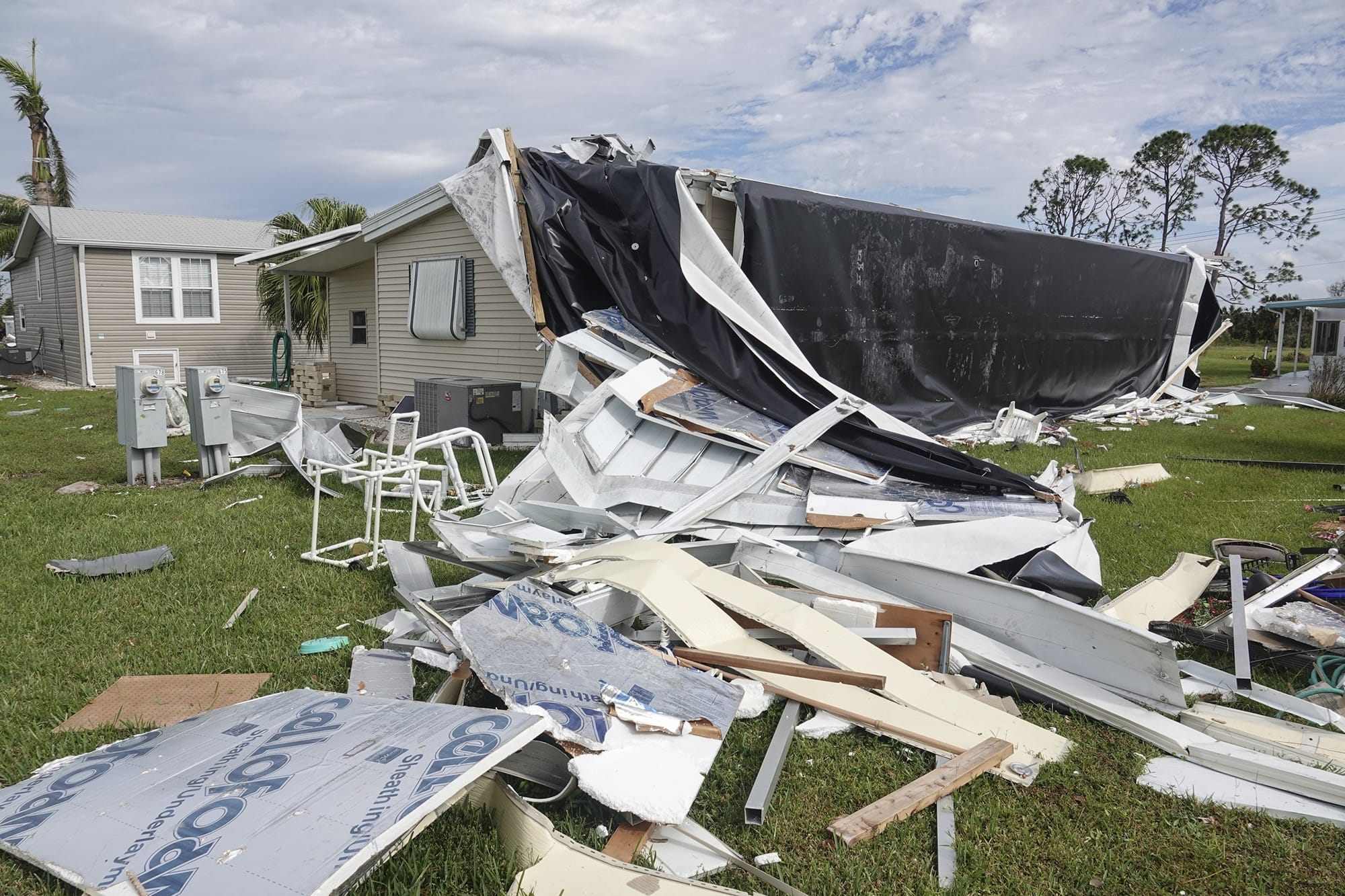
Florida’s Gulf Coast is undergoing a dramatic transformation as soaring insurance premiums, costly construction requirements, and the long shadow of Hurricane Ian force middle‑class families, workers, and longtime residents out of communities they once anchored. With premiums topping $5,700 a year — and many paying far more — Realtors warn of looming foreclosures, renters face steep increases, and entire neighborhoods are being rebuilt for wealthier newcomers. This mounting crisis is reshaping the state’s real estate landscape and leaving professionals scrambling to adapt.
Economic uncertainty, rapid tech advances and shifting population patterns are setting the stage for a pivotal year in commercial real estate. New findings from the Counselors of Real Estate, presented at NAR NXT, outline ten major forces reshaping strategy, investment and opportunity in 2026—from policy impacts and portfolio risk to AI adoption, capital flow changes, housing attainability and demographic shifts. This outlook offers clarity and caution for professionals across real estate, mortgage, finance and related fields.
Florida’s home insurance crisis is back in the spotlight as new reforms appear to be repeating decades‑old mistakes. Despite efforts to depopulate Citizens and attract private insurers, many of the companies taking over policies have ties to past insolvencies. Critics say weak oversight, generous ratings, and political influence are allowing unstable insurers to thrive while homeowners pay more for less protection. Experts warn that without transparent ratings, real accountability, and unified regulation, Florida’s insurance market will remain vulnerable—putting property values, lending, and the broader real estate industry at risk.