Large U.S. CRE Deals Make a Powerful Comeback in Q3 2025

City skyline sunrise

After a sluggish start to 2025, the commercial real estate world finally exhaled. According to new research from Altus Group, large single‑asset CRE deals — those valued above $10 million — surged back to life in Q3 2025. With more than $76 billion in transactions, this quarter delivered the most impressive rebound in over a decade, signaling a renewed sense of investor confidence across the country.

For real estate professionals, investors, and emerging industry leaders (including many developing their expertise at Cameron Academy), this resurgence provides a clear message: capital is flowing again — and at scale.

Source Highlight: Dive deeper into the full market findings at Altus Group: Q3 2025 CRE Investment & Transactions Report

The Return of the Major Deal

For the first time in several quarters, both annual and quarterly traded‑property counts saw meaningful increases. But the true headline lies in which deals made their comeback. Large single‑asset transactions roared back, totaling 1,826 trades above $10 million — the highest since Q3 2022.

These big‑ticket trades accounted for 67.8% of all single‑asset dollar volume, a level not reached since mid‑2022 and slightly surpassing the highs of late 2018. In short: major players are re‑entering the market.

How Big Was the Rebound?

Large-deal momentum surged across every measurable metric:

  • Up 48% quarter‑over‑quarter
  • Up 41% year‑over‑year
  • Up 15.9% on a trailing four‑quarter basis

This represents the most robust growth in large‑asset trading since 2015 (excluding the unusual post‑pandemic surge).

Why Overall Volume Still Lags 2021–2022 Highs

Even with the resurgence, total transaction volume hasn’t quite matched the peaks of 2021 and early 2022 — primarily because median deal sizes remain smaller. The median large CRE deal in Q3 2025 landed at $19.6 million, roughly 9% below the late‑2021 cycle peak.

Sector‑specific breakdown reveals even more nuance:

  • Industrial: $18.9M (1.7% below peak)
  • Multifamily: $29.3M (8.2% below peak)
  • Retail: $15.5M (6.1% below peak)
  • Office: $18.1M (23.8% below peak — still the market laggard)

However, the median large‑deal size has climbed a solid 4.7% since its post‑pandemic low in late 2023, with multifamily leading the recovery.

Pricing Trends and Stabilization

The median price per square foot improved modestly across most property types, increasing 0.6% quarter‑over‑quarter and year‑over‑year. Office properties continued to face pressure, declining 3% on the quarter and 4.4% annually, while multifamily assets posted a healthy 5% annual increase.

A Step Toward Normalcy

The return of large single‑asset CRE transactions signals more than volume: it represents a renewed sense of investor certainty, clearer pricing expectations, and strengthened liquidity at the top of the market.

As the year wraps up, one question looms: Is this the start of a sustained recovery — or simply a temporary surge before the next slowdown?

Regardless, Q3 2025 stands as the most convincing evidence in years that the upper tier of the CRE landscape is regaining its footing — excellent news for brokers, lenders, investors, and professionals preparing for future opportunities.

For complete datasets, visualizations, and sector‑by‑sector deep dives, visit the full Altus Group quarterly analysis:
US CRE Investment & Transactions Report

Professionals seeking to stay sharp as the market evolves can elevate their credentials and readiness through Cameron Academy — Florida’s trusted destination for real estate education, professional licensing, and continuing education across dozens of industries nationwide.

More Articles

Getting licensed or staying ahead in your career can be a journey—but it doesn’t have to be overwhelming. Grab your favorite coffee or tea, take a moment to relax, and browse through our articles. Whether you’re just starting out or renewing your expertise, we’ve got tips, insights, and advice to keep you moving forward. Here’s to your success—one sip and one step at a time!

Florida’s Middle Class Is Being Squeezed Out: Insurance Costs, Rebuilding Struggles, and a Changing Coastline

Fort Myers Beach is becoming the front line of a new Florida—one shaped by hurricane devastation, soaring insurance premiums, and rapid gentrification. Three years after Hurricane Ian, residents are still battling massive rebuilding costs and insurance bills that now exceed $5,700 a year on average, with flood insurance reaching $10,000 for some families. Long-time locals, small businesses, and service workers are being priced out as wealthy investors move in, transforming once-affordable coastal communities. Real estate professionals warn that foreclosures may rise if economic pressures continue, signaling a pivotal moment for Florida’s housing market and the professionals who serve it.

Top 2026 Commercial Real Estate Issues Every Professional Should Watch

Economic uncertainty, AI disruption, slowing population growth, and rising portfolio risk are reshaping commercial real estate heading into 2026. A new report unveiled at NAR NXT highlights the forces that will reward informed professionals — and challenge those who aren’t prepared. From fiscal policy and shifting capital flows to tech transformation and housing shortages, the landscape is evolving fast. Cameron Academy breaks down the key issues so real estate, mortgage, finance, and insurance professionals can stay ahead of the curve.

Federal Climate Funding Pulled, Leaving Billions in Real Estate Risk Exposed

A sudden federal shutdown of FEMA’s BRIC resiliency program has left cities and commercial property owners scrambling, exposing billions in real estate to rising climate threats. With nearly a billion dollars in mitigation funding clawed back and extreme weather intensifying, insurance premiums are expected to surge and coverage may shrink — placing new pressure on markets like Florida and New York.

Florida Lawmakers Push Bill to Limit Local Power Over Housing Approvals

A new Florida Senate bill aims to stop cities and counties from blocking residential developments over vague “compatibility” concerns. Supporters say the measure would speed up homebuilding and ease housing shortages, while opponents argue it strips communities of essential oversight and could accelerate growth without proper planning. The proposal could reshape development timelines and land-use decisions statewide, making it a major issue for real estate professionals to watch.

Cape Coral Housing Market Shifts in Favor of Buyers as Homes Linger 119 Days

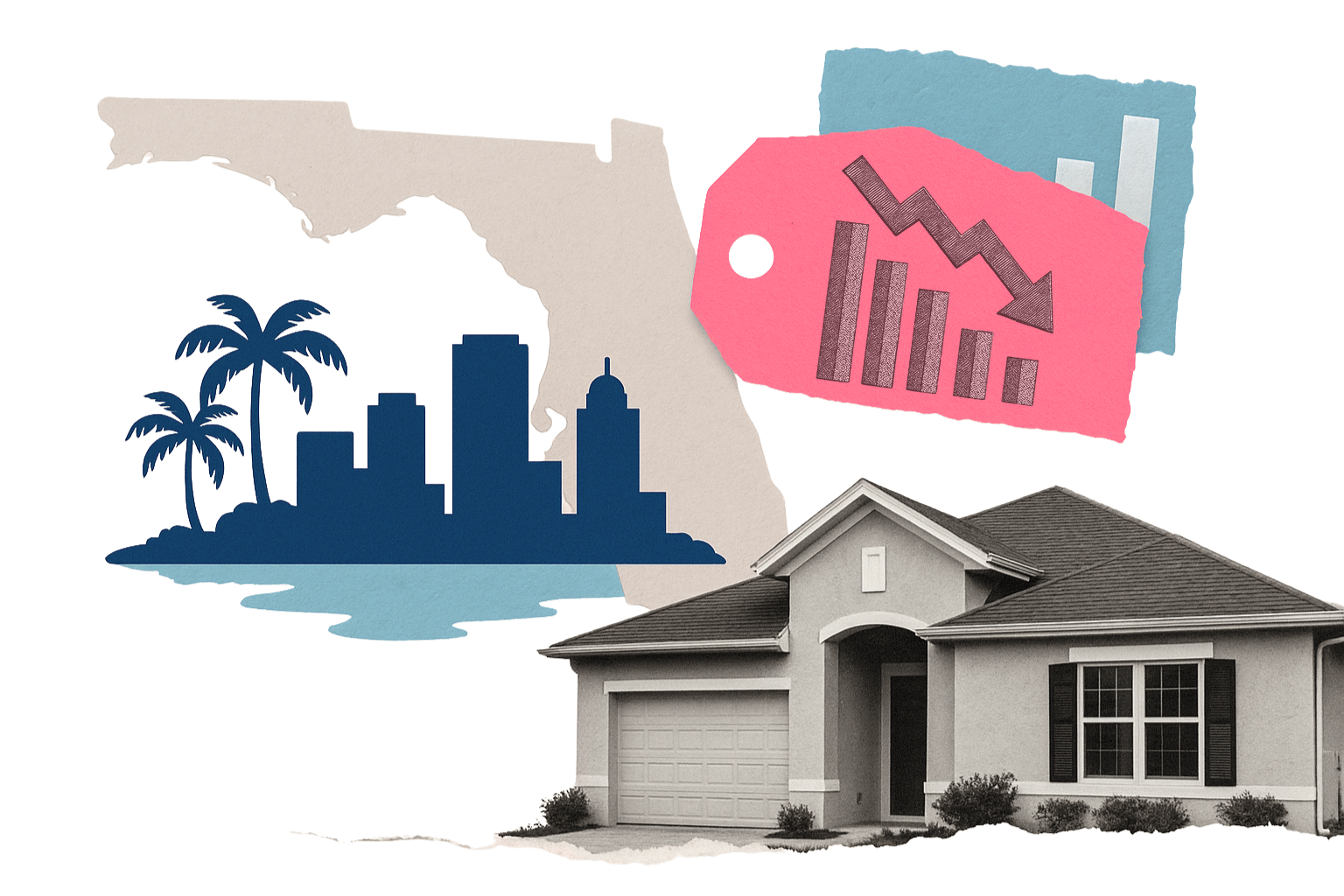
Cape Coral–Fort Myers has officially moved into buyer-friendly territory, with homes now sitting a median 119 days on the market—far longer than both the Florida and U.S. averages. Rising inventory, a 36.9 percent price‑reduction rate, and slower absorption compared to accumulated supply are giving buyers more leverage and time to negotiate, signaling a meaningful reset in this once‑fast‑moving Florida market.

Kansas City’s Commercial Real Estate Market Finds Its Momentum Again

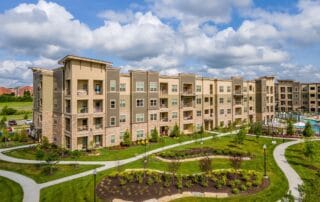
Kansas City’s commercial real estate sector is finally turning a corner after several years of sluggish activity. Retail is leading the rebound, while multifamily and industrial properties are gaining traction as pricing stabilizes and buyer confidence returns. A standout 2025 transaction—the sale of the 380‑unit Cyan Southcreek community—signals that capital is flowing back into the market. With bid‑ask spreads tightening and investor optimism rising, Kansas City is entering a period of renewed opportunity for real estate professionals and investors alike.