Legislative Shifts in Telehealth: A Closer Look at California’s New Norms
In the rapidly evolving landscape of telehealth, recent legislative updates have set the stage for significant changes, particularly impacting healthcare providers, Medicaid, and digital health companies. As highlighted in a recent article by The National Law Review, these developments are crucial for stakeholders to monitor closely.
California’s Legislative Landscape
The article, published a week ago, emphasizes the period between September 17 and September 30, 2024, as a pivotal time for telehealth legislation in California. This West Coast state, known for its progressive stance on healthcare innovation, is at the forefront of these legislative changes. The new regulations aim to streamline telehealth services, ensuring they are more accessible and efficient for both providers and patients.
Impact on Key Stakeholders
The legislative updates carry significant implications for healthcare providers, who must adapt to new compliance requirements. Medicaid services are also undergoing transformations, with an emphasis on integrating digital solutions to enhance patient care. Digital health companies, meanwhile, are poised to benefit from these changes as they align their services with the new legal frameworks.
Staying Informed
For those involved in the healthcare industry, staying informed about these legislative updates is not just beneficial—it’s essential. The changes are expected to influence operational strategies, financial planning, and patient engagement models.
Conclusion
As California continues to lead in telehealth innovation, these legislative updates serve as a blueprint for other states considering similar reforms. The healthcare industry must remain vigilant, adapting to these changes to capitalize on the opportunities they present.
“`
More Articles
Getting licensed or staying ahead in your career can be a journey—but it doesn’t have to be overwhelming. Grab your favorite coffee or tea, take a moment to relax, and browse through our articles. Whether you’re just starting out or renewing your expertise, we’ve got tips, insights, and advice to keep you moving forward. Here’s to your success—one sip and one step at a time!
The detailed study, conducted in February 2025, scrutinized nine popular institutions based on 38 criteria across four pivotal categories: fees, customer satisfaction, features, and availability.
The digital landscape is rapidly evolving, capturing public interest as virtual and physical environments blend seamlessly. In this new age, Virtual Reality (VR), the Metaverse, and Blockchain emerge as transformative forces reshaping how we interact with digital content, form business models, and enhance personal experiences.
In the heart of New Zealand's real estate landscape, a quiet revolution is taking place. The age-old practice of property valuation, once a labor-intensive and opaque process, is being transformed by the rise of artificial intelligence (AI). Yet, this transformation is not without its challenges.
We believe in empowering initiatives that bring people together and create lasting value." The redevelopment of the BCM property is poised to become a vital hub for student life at Georgia Southern University, enhancing the campus's appeal and functionality.
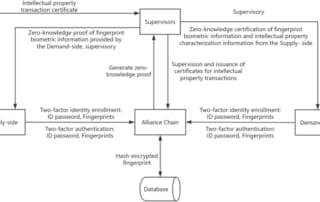
The research introduces a two-factor authentication model that leverages the power of alliance chain technology, aiming to enhance security and trustworthiness in IP transactions.