Legislative Shifts in Telehealth: A Closer Look at California’s New Norms
In the rapidly evolving landscape of telehealth, recent legislative updates have set the stage for significant changes, particularly impacting healthcare providers, Medicaid, and digital health companies. As highlighted in a recent article by The National Law Review, these developments are crucial for stakeholders to monitor closely.
California’s Legislative Landscape
The article, published a week ago, emphasizes the period between September 17 and September 30, 2024, as a pivotal time for telehealth legislation in California. This West Coast state, known for its progressive stance on healthcare innovation, is at the forefront of these legislative changes. The new regulations aim to streamline telehealth services, ensuring they are more accessible and efficient for both providers and patients.
Impact on Key Stakeholders
The legislative updates carry significant implications for healthcare providers, who must adapt to new compliance requirements. Medicaid services are also undergoing transformations, with an emphasis on integrating digital solutions to enhance patient care. Digital health companies, meanwhile, are poised to benefit from these changes as they align their services with the new legal frameworks.
Staying Informed
For those involved in the healthcare industry, staying informed about these legislative updates is not just beneficial—it’s essential. The changes are expected to influence operational strategies, financial planning, and patient engagement models.
Conclusion
As California continues to lead in telehealth innovation, these legislative updates serve as a blueprint for other states considering similar reforms. The healthcare industry must remain vigilant, adapting to these changes to capitalize on the opportunities they present.
“`
More Articles
Getting licensed or staying ahead in your career can be a journey—but it doesn’t have to be overwhelming. Grab your favorite coffee or tea, take a moment to relax, and browse through our articles. Whether you’re just starting out or renewing your expertise, we’ve got tips, insights, and advice to keep you moving forward. Here’s to your success—one sip and one step at a time!
In Florida, the earnings of a real estate agent can vary significantly based on numerous factors including experience, location, and the current state of the housing market. The potential earnings are quite broad, with average salaries ranging from $40,000 to $90,000 per year. However, top-performing agents in high-demand areas can earn well above this range, sometimes exceeding $100,000 annually.
Screening prospective tenants who utilize Section 8 vouchers in Florida requires a thorough understanding of both federal and local laws to ensure compliance and avoid potential legal issues.
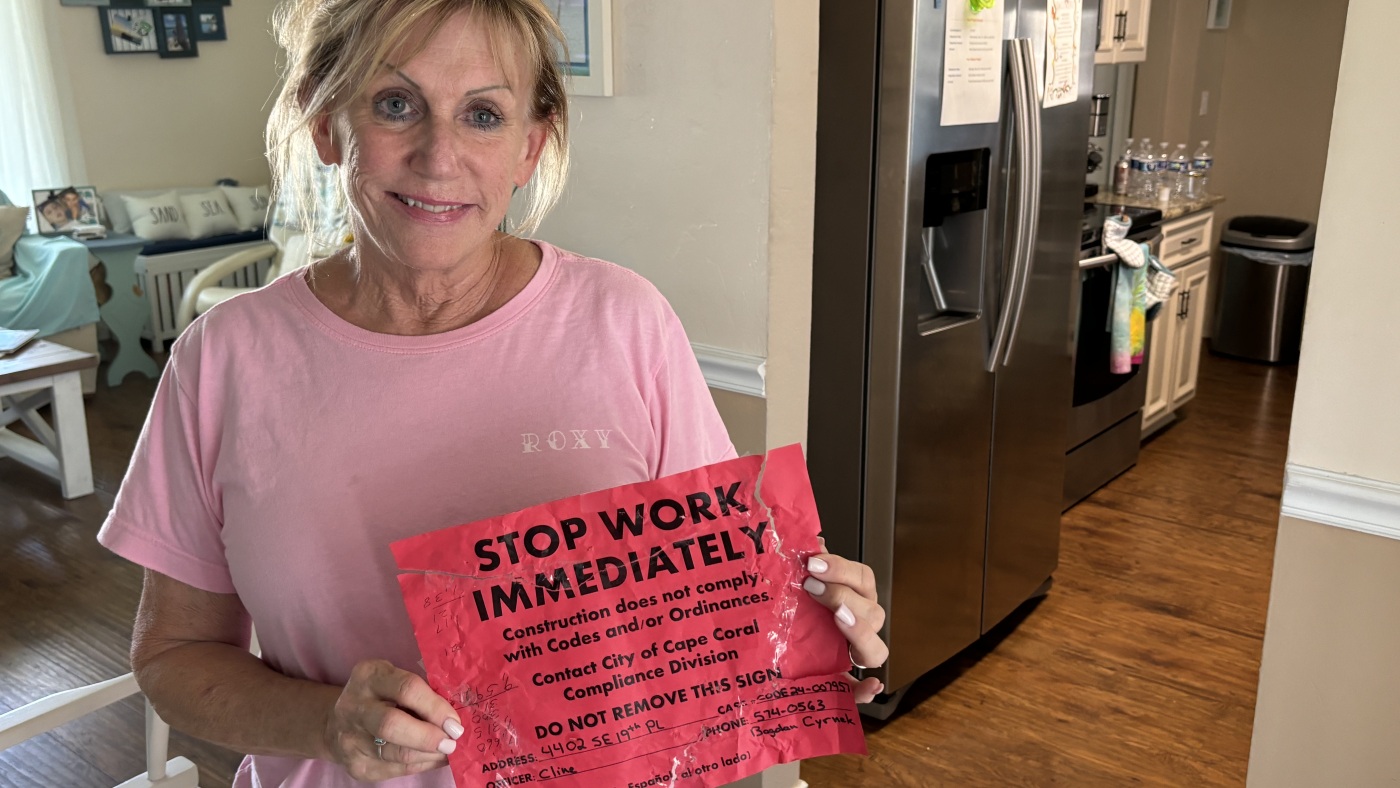
A study by First Street reveals Cape Coral has more properties at risk of flooding than any other city in Florida. Following Hurricane Ian, FEMA withdrew the city's flood insurance discount, blaming improper rebuilding practices.
Goldman Sachs Research has projected a notable increase in US home prices, forecasting a 4.5% rise this year and a 4.4% increase in 2025, as the Federal Reserve is expected to implement interest rate cuts.
In the realm of real estate, myths and misconceptions about Section 8 tenants often cloud the judgment of landlords. These stereotypes suggest that Section 8 tenants might damage property or fail to pay rent. However, these risks are inherent in renting to any tenant, not just those participating in the Section 8 program. The key to mitigating these risks lies in a robust and consistent screening process.