LKP Finance’s Quarter of Profit, Pressure, and a Bold Pivot: What Professionals Can Learn

Financial workspace

LKP Finance Limited reported a profit of Rs 583.15 lakhs for Q2 2025 — but beneath the surface lies a far more dramatic narrative. Leadership shake‑ups, courtroom battles, a loan write‑back more than a decade old, and even a complete shift in business identity color the story. The original reporting from ScanX delivers a gripping look at how financial companies endure turbulence while trying to transform.

A Quarter of Profit — but With Complications

Despite limited revenue disclosures, the company still landed in the black this quarter. Yet the operational ecosystem reveals tension: profit exists, yes, but stability remains uncertain.

Leadership Shifts: A New Compliance Officer Steps In

On November 14, 2025, LKP Finance appointed Mr. Rishi Arya as the new Company Secretary & Compliance Officer, replacing Mrs. Ruby Chauhan. Arya’s legal and regulatory background hints at a renewed corporate push toward fortified compliance — especially timely given ongoing litigation.

Debt Drama: Litigation and a 12‑Year‑Old Loan Write‑Back

Perhaps the most surprising twist is the company’s decision to write back a massive Rs 1,474.24 lakhs from a loan dating back over 12 years. Meanwhile, LKP Finance is locked in disputes involving garnishee orders, mutual fund attachments, and appeals currently sitting before the Debt Recovery Appellate Tribunal, Chennai.

Tap to View the Debt Case Breakdown

• Garnishee claim: Rs 2,500 lakhs + interest

• Company deposit: Rs 1,126.22 lakhs

• Attached mutual funds: Rs 613.44 lakhs

• Current status: Pending before DRAT Chennai

Auditors Issue a Qualified Opinion

The audit team flagged two major concerns: missing confirmations for loans totaling Rs 3,596.65 lakhs and material uncertainties driven by ongoing litigation. Auditors indicated they were unable to judge whether further adjustments were required — a statement that tends to unsettle investors.

The Plot Twist: LKP Finance Becomes Gyftr Limited

Just weeks before reporting these quarterly results, LKP’s board approved a transformative shift. The company is formally exiting its NBFC operations and stepping into digital gifting, rewards, fintech, and e‑commerce under its bold new identity: Gyftr Limited.

This is more than rebranding — it’s the construction of an entirely new business model poised for the digital future.

Tap to View the New Business Focus

• Digital & physical gifting

• Reward management platforms

• E‑commerce solutions

• Payment aggregator services

Why This Matters to Career‑Focused Professionals

Across industries — finance, real estate, insurance, mortgage, and beyond — companies everywhere are reinventing themselves. Professionals who understand compliance, regulations, and adaptive business models will continue to lead the pack.

Institutions like Cameron Academy help forward‑thinking professionals sharpen their credentials so they remain competitive in moments of industry-wide transformation like this pivot from LKP Finance to Gyftr.

Learn More From the Original Source

This story originates from ScanX Earnings News, a go‑to publication for real‑time corporate and market updates.


More Articles

Getting licensed or staying ahead in your career can be a journey—but it doesn’t have to be overwhelming. Grab your favorite coffee or tea, take a moment to relax, and browse through our articles. Whether you’re just starting out or renewing your expertise, we’ve got tips, insights, and advice to keep you moving forward. Here’s to your success—one sip and one step at a time!

Why Today’s High Mortgage Rates Matter More Than Ever for the Housing Market

A growing share of American homeowners now carry mortgage rates above 5%—a dramatic shift that’s reshaping refinancing, inventory, and buyer behavior nationwide. With more than 30% of borrowers locked into rates over 5% and 20% above 6%, the market is split between owners holding on to low pandemic‑era loans and new buyers taking on higher‑rate mortgages. Federal efforts to push rates down could unlock millions of refinancing opportunities, while buyers see only modest monthly savings. For real estate professionals, understanding these rate dynamics is crucial as they increasingly drive inventory levels, affordability, and market activity.

CRE Deal Volume Dips in December, but Office Sector Stages an Unexpected Comeback

New Moody’s data shows commercial real estate deal volume slipped 20% in December, marking a second monthly decline. Yet the full year tells a different story: 2025 ended with a 17% gain, signaling a quiet but resilient recovery. The biggest surprise came from the office sector, which posted a 21% jump in activity as return‑to‑office trends and AI‑driven job growth boosted demand. Multifamily, retail, and alternative assets like data centers also saw strong momentum, giving real estate professionals a market full of fresh opportunities heading into 2026.

Florida Kicks Off 2026 With Major Auto Insurance Rate Cuts and Market Stability

Florida drivers and industry professionals are heading into 2026 with good news: auto insurance rates are dropping across the state as the market shows strong signs of stabilization. USAA leads the latest wave with a 7% average rate decrease expected in May 2026, saving members more than $125 million annually. They join several major insurers — including State Farm, Progressive, AAA, Allstate, and Florida Farm Bureau — all approving significant reductions. Officials credit recent legislative reforms, especially tort reform, for the improved loss ratios and renewed insurer confidence. With both auto and home insurance markets strengthening, Florida’s real estate, mortgage, and insurance professionals can expect more consumer confidence, smoother transactions, and expanding career opportunities.

The 2024 Housing Shortage: Why America Is Still 1.2 Million Homes Behind

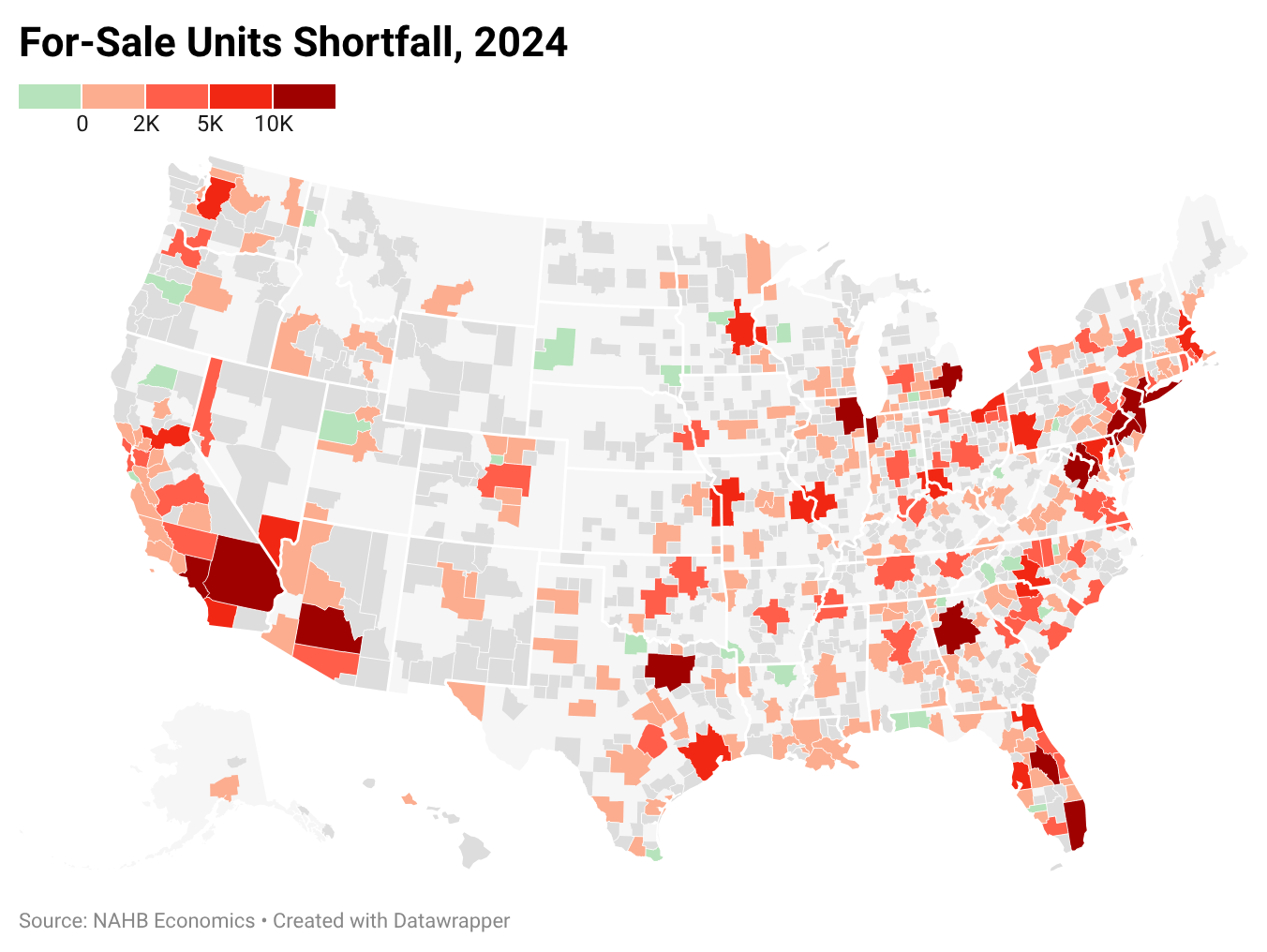
New data from Eye On Housing and the NAHB shows the U.S. remains short more than 1.2 million housing units, keeping pressure on both rents and home prices. Record‑low vacancy rates, slow single‑family construction, and restrictive zoning continue to fuel intense competition in 2024. Major metros like Chicago, New York, and Atlanta face some of the deepest deficits, and the true nationwide shortfall may be even higher when accounting for overcrowding and aging homes. For real estate professionals, the ongoing shortage means sustained demand, tighter inventory, and major opportunities for those who understand the evolving market.

AI Isn’t the Shiny Object Anymore — It’s the New System Driving Real Estate Success

Top real estate coach Jason Pantana says the divide between agents today isn’t about who has “tried” AI — it’s about who is immersed in it. In a new HousingWire interview, he explains why AI isn’t a gimmick but a full business system that amplifies output, improves authenticity, and reshapes how clients search for agents. From prompt mastery to AI‑driven visibility on Google, Pantana reveals how agents who commit even 15 minutes a day to learning AI are already outperforming those who hesitate.

DFW Commercial Real Estate 2025: Industrial Surges, Retail Shines, Office Struggles

Dallas–Fort Worth’s commercial real estate market closed 2025 with a split personality. Industrial dominated with massive new deliveries and soaring leasing demand, retail held steady with some of the market’s strongest fundamentals in years, and office continued to falter under remote‑work pressures. High vacancies, weak absorption, and rising demand for top‑tier space show the sector’s ongoing reset. Meanwhile, industrial and retail strength position the Metroplex for another powerhouse year heading into 2026.