Lofty Unveils the First Agentic AI Operating System: A New Era for Real Estate Productivity

Human and ai collaboration illustration

Artificial intelligence has officially entered its next evolution in the real estate world—and it’s far more than just smart prompts or automated messages. Lofty has launched Lofty AOS, the industry’s first agentic AI operating system, built to autonomously plan, execute, and manage entire real estate workflows.

For busy agents and brokerages, this marks a transformative shift. Instead of juggling dozens of manual tasks or relying on disconnected platforms, Lofty AOS acts like an intelligent digital workforce that manages lead handling, marketing, websites, transactions, and more—without waiting for step-by-step prompting.

AOS: AI That Doesn’t Wait for Instructions

Traditional AI reacts. Agentic AI takes initiative. Lofty AOS understands priorities, coordinates tasks, and completes end-to-end operations while adapting to each brokerage’s structure and goals.

Lofty CEO Joe Chen highlighted this evolution, emphasizing that organizations embracing agentic systems will “move beyond simple AI tools” and unlock exponential growth in productivity and business performance.

A Fully Specialized Network of AI Agents

Lofty AOS functions as a team of advanced digital agents—each one mastering a crucial pillar of real estate operations:

  • AI Assistant – Prioritizes high-value agent activities
  • Sales Agent – Engages leads, qualifies prospects, analyzes calls, and generates scripts
  • Social Agent – Builds and executes social media strategies
  • Homeowner Agent – Enriches databases and automates valuation-driven marketing
  • Website Builder – Creates SEO-optimized websites without design expertise
  • SEO/AEO Manager – Boosts visibility across traditional and AI-driven search systems
  • Transaction Coordinator – Manages mission‑critical steps during property transactions

Together, these agents eliminate tedious administrative work and ensure nothing slips through the cracks—something every real estate professional can appreciate.

Changing How Real Estate Teams Work

According to Taylor from Lofty, transitioning from traditional to agentic AI is more than a technological upgrade—it’s a reshaping of brokerage operations. This shift encourages teams to rethink workflows and redefine responsibilities to unlock AI’s true potential.

In a world where agents must balance marketing, lead nurturing, client communication, and compliance, offloading these tasks to an autonomous AI system could entirely redefine what “productive” means.

What This Means for Real Estate Professionals

Tools like Lofty AOS are reshaping the skill sets modern agents need. While AI handles more operational work, the industry still heavily relies on licensed, knowledgeable professionals who excel at negotiation, contract comprehension, and client guidance.

This is where Cameron Academy remains vital. As AI transforms workflows, agents who are well-trained, well-licensed, and adaptable will not just keep up—they’ll thrive.

Professionals who combine strong foundational knowledge with a keen understanding of emerging technologies will be the ones who lead the next wave of real estate success.

Explore Lofty AOS firsthand at lofty.com. Original coverage from RISMedia can be found here: read the full article.

More Articles

Getting licensed or staying ahead in your career can be a journey—but it doesn’t have to be overwhelming. Grab your favorite coffee or tea, take a moment to relax, and browse through our articles. Whether you’re just starting out or renewing your expertise, we’ve got tips, insights, and advice to keep you moving forward. Here’s to your success—one sip and one step at a time!

Title Insurance Leaders Double Down on Tech and Efficiency to Drive 2026 Market Momentum

The title insurance industry is entering 2026 with a renewed focus on technology, operational efficiency, and stronger agent support after years of volatility. Leaders from major underwriters report rising transaction activity, improved affordability, and a surge in automation and fraud‑prevention tools—signs that smarter systems and better training will define the next wave of growth.

Mortgage CEO Barred in 21 States After Major Education Fraud Settlement

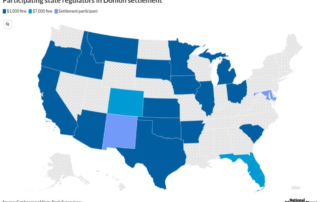
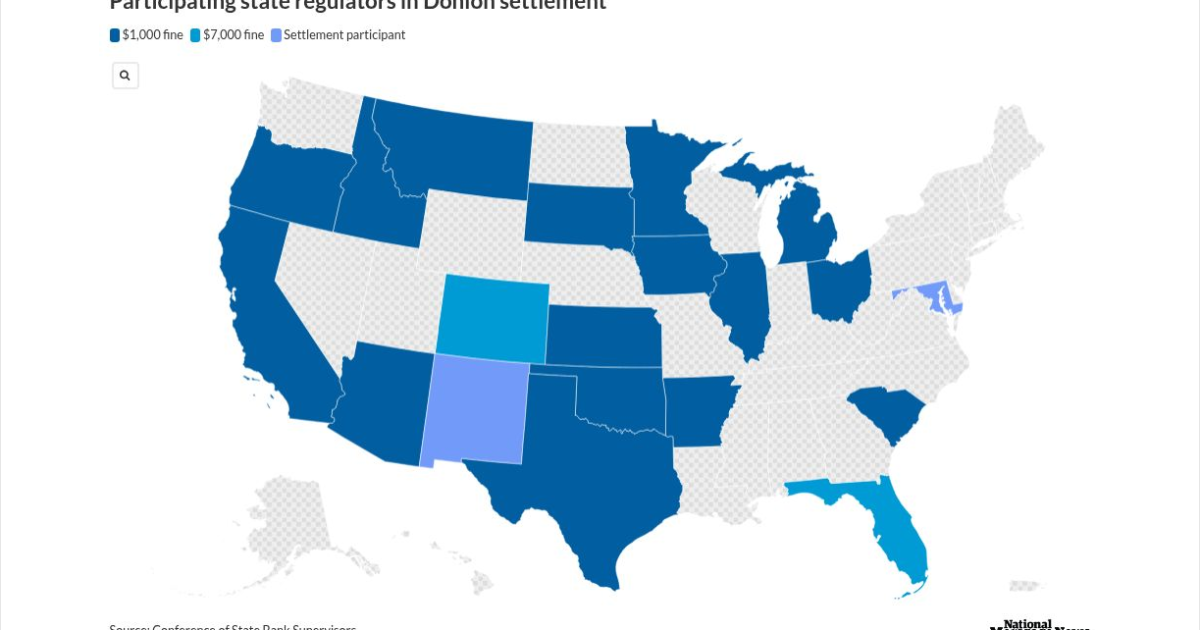
A multistate crackdown has sent shockwaves through the mortgage industry as Patrick Terrance Donlon, CEO of Trusted American Mortgage, accepted a sweeping settlement that bans him from working as a mortgage loan originator in 21 states—19 of them permanently. Regulators say Donlon had another individual complete his mandatory licensing and continuing‑education courses, a violation that triggered a coordinated investigation and a $31,000 penalty. The case underscores regulators’ growing intolerance for education fraud and serves as a sharp reminder to industry professionals: cutting corners on licensing can end careers.

Florida’s Real Estate Slowdown: How Insurance Costs Are Reshaping the Market

Florida’s once‑booming housing market is cooling fast as rising insurance premiums, increasing foreclosures, and expanding flood zones push buyers to back out of deals and force sellers to cut prices. With insurance now adding thousands to annual housing costs, professionals across real estate, mortgage, and insurance are navigating a dramatically shifting landscape that’s redefining affordability in the Sunshine State.

New Florida Laws Taking Effect January 1, 2026: Key Changes Every Professional Should Know

Florida begins 2026 with a wave of more than 250 new laws now in effect, impacting healthcare, insurance, real estate, and consumer protections statewide. From free breast cancer screenings for state employees to tighter pet insurance regulations, mandatory healthcare refund rules, enhanced animal‑cruelty penalties, and new condo‑management requirements, these updates carry major implications for professionals navigating Florida’s evolving regulatory landscape.

Florida’s Barrier Islands: Why Paradise Living Comes With Sky‑High Risks for Homeowners and Agents

Florida’s barrier islands may offer postcard-perfect beaches and soaring real estate demand, but they’re also some of the most fragile and costly places to build in the United States. With 765,000 residents living on land that shifts, sinks, and takes the brunt of every major hurricane, the financial and insurance risks are accelerating fast. From billion‑dollar beach rebuilds to towers settling into the sand, today’s coastal development challenges are reshaping conversations around property values, disclosure, and long‑term resilience. For real estate professionals, understanding these risks isn’t just smart — it’s becoming essential.

Cedar City Builder Redefines Affordable Housing With Luxury‑Style Twin Homes

A Cedar City development is turning heads with its fresh approach to affordability. The team behind Temple View Commons is delivering luxury‑inspired twin homes at prices below the local median by using a small, hands‑on staff and cutting traditional costs like realtor commissions. In a tight Utah housing market where inventory is scarce and prices remain high, their strategy offers a realistic path to homeownership without sacrificing high‑end finishes.