Long Island’s Commercial Real Estate Market Surges to Record-Breaking $4.1 Billion
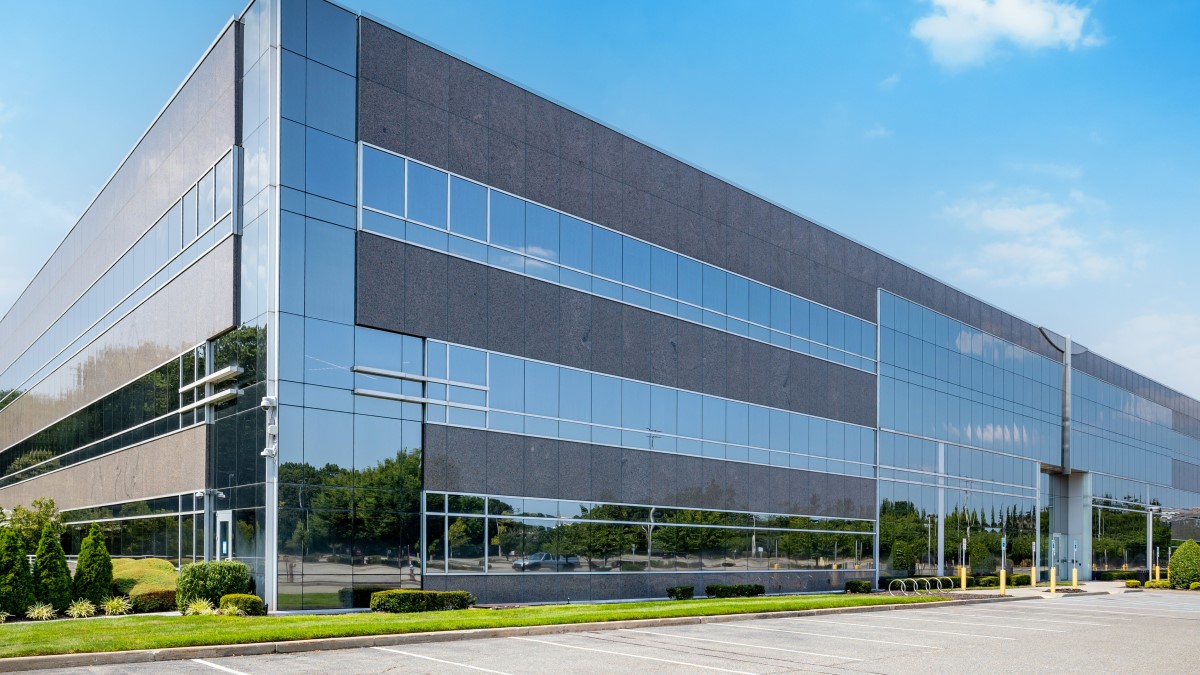
Long Island just posted its strongest commercial real estate year in history, with 2025 deal volume blasting through previous records and reaching an unprecedented $4.1 billion. The findings come from a new deep-dive market report released by Cushman & Wakefield, and the numbers reveal a seismic shift in how investors, developers, and end users are engaging with the market.
The surge represents a stunning 71.5% increase from 2024, signaling that investor confidence—and capital—returned to the region in force, particularly in the second half of the year as interest rates eased.
Specialty Use Properties Lead the Charge
While nearly every property type experienced gains, specialty-use assets stole the spotlight. Assisted living facilities, rehabilitation centers, and self-storage units dominated the top deal lists, accounting for half of the ten largest trades of 2025.
The combined volume was massive: more than $1.965 billion in Nassau and over $2.126 billion in Suffolk. One of the most eye-catching deals was a blockbuster $603 million portfolio acquisition by Ventas, including five Bristal Assisted Living facilities.
Click to expand: 2025 Major Deal Highlights
$603 million Ventas purchase of Bristal Assisted Living portfolio
$135.7 million acquisition of the Philosophy Care Centers portfolio
$124.2 million purchase of the Casata Organization multifamily portfolio
$118.6 million purchase of the former CA Technology site in Islandia
$107 million purchase of a 420-unit rental complex in Hempstead
Transactions Surge Across Nassau and Suffolk
Nassau County recorded 436 completed transactions—a 29% jump—while Suffolk wasn’t far behind with 423 deals, nearly 16% more than in 2024. This combination of volume and high-dollar activity pushed Long Island to its strongest performance ever.
Research analyst Dimitri Mastrogiannis noted that specialty assets roared back as national portfolios targeted Long Island “at a clip we haven’t seen.” Lower interest rates also reignited investor urgency after a period of hesitation.
A Market Powered by New Buyer Profiles
Dan Abbondandolo, who leads the Cushman & Wakefield Long Island Investment Sales and Capital Markets team, highlighted a meaningful shift: end users became far more active—especially in the $5 million to $25 million segment. Ownership transitions, debt restructuring, and generational turnover significantly contributed to buyer momentum.
Looking ahead, the path seems bright. New capital sources are stepping in, with private equity, family offices, and private capital filling the gap left by stepping-back institutional investors.
Abbondandolo emphasized that the office market “has found its bottom,” retail is strengthening, and lower interest rates will continue to activate sidelined demand.
What Professionals Can Learn From This Surge
This record-setting year reinforces a powerful truth: commercial real estate remains one of the most opportunity-rich and resilient sectors in the United States. For professionals aiming to elevate their careers in real estate, finance, insurance, or related fields, understanding regional market behavior is invaluable.
If you’re considering licensing or continuing your education, Cameron Academy offers flexible, top-tier professional programs across all 50 states. Staying educated is one of the smartest ways to stay competitive in fast-moving markets like Long Island’s.
Getting licensed or staying ahead in your career can be a journey—but it doesn’t have to be overwhelming. Grab your favorite coffee or tea, take a moment to relax, and browse through our articles. Whether you’re just starting out or renewing your expertise, we’ve got tips, insights, and advice to keep you moving forward. Here’s to your success—one sip and one step at a time!
The real estate industry is on the brink of a transformation, driven by the integration of the Internet of Things (IoT). This technological advancement is reshaping how buildings operate and enhancing tenant experiences across the globe.
"This framework postulates New Orleans as already living in the future," said Patterson during the exhibition's opening. Lash added, "We want to show New Orleans as a gift and as a scout." The exhibition, featuring 51 artists across 21 venues, highlights how contemporary art can serve as an engine of coping, rather than mere recovery.
As the dust settles on the recent Republican victory in the U.S. presidential election, the tax landscape is poised for significant changes with President-elect Donald Trump set to return to the White House.
As we step into 2025, the multifamily housing sector is projected to experience modest growth. Yardi Matrix anticipates a 1.5% increase in rents, driven by positive economic conditions and stable industry fundamentals, particularly in the Northeast and Midwest regions. However, the rent growth forecasts vary across different markets.
Recent surveys have shed light on the preferences and priorities of renters in 2024, emphasizing the dominance of digital marketing and the importance of community inclusiveness.
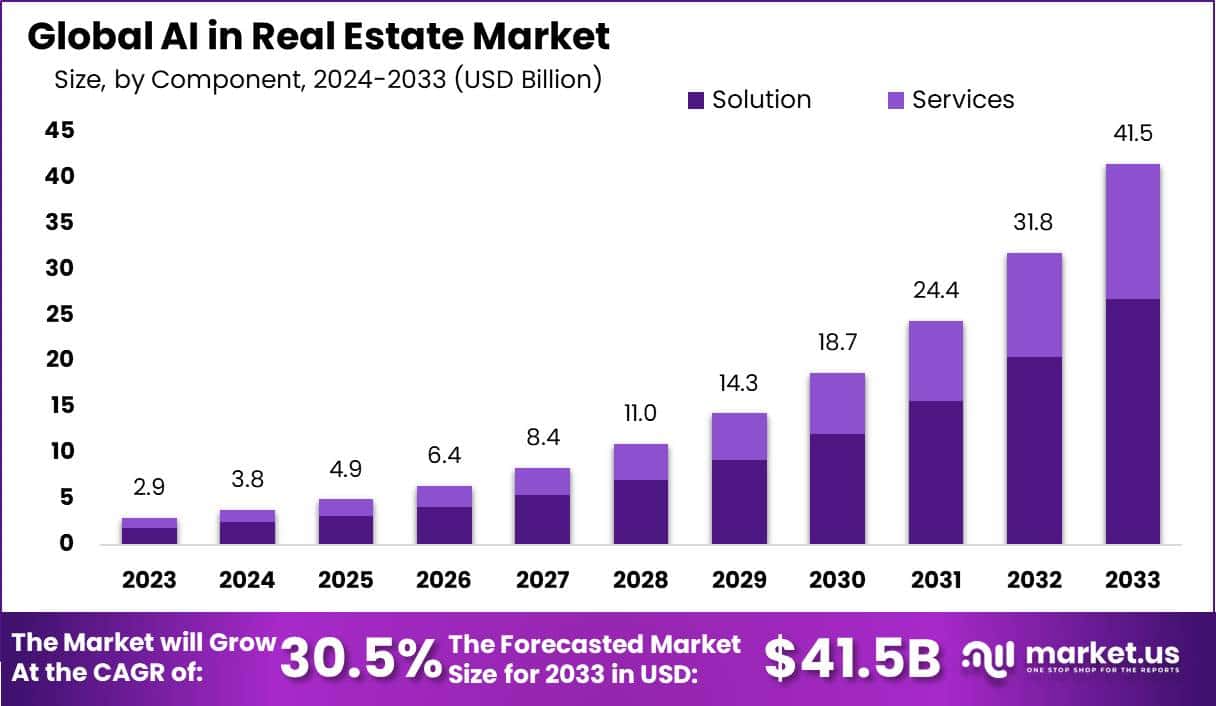
The real estate industry is on the brink of a technological transformation, with Artificial Intelligence (AI) playing a pivotal role. According to a recent report by Market.us, the AI in real estate market is projected to surge from USD 2.9 Billion in 2023 to a staggering USD 41.5 Billion by 2033, growing at an impressive CAGR of 30.5%.