Long Island’s Commercial Real Estate Market Surges to Record-Breaking $4.1 Billion
Long Island just posted its strongest commercial real estate year in history, with 2025 deal volume blasting through previous records and reaching an unprecedented $4.1 billion. The findings come from a new deep-dive market report released by Cushman & Wakefield, and the numbers reveal a seismic shift in how investors, developers, and end users are engaging with the market.
The surge represents a stunning 71.5% increase from 2024, signaling that investor confidence—and capital—returned to the region in force, particularly in the second half of the year as interest rates eased.
Specialty Use Properties Lead the Charge
While nearly every property type experienced gains, specialty-use assets stole the spotlight. Assisted living facilities, rehabilitation centers, and self-storage units dominated the top deal lists, accounting for half of the ten largest trades of 2025.
The combined volume was massive: more than $1.965 billion in Nassau and over $2.126 billion in Suffolk. One of the most eye-catching deals was a blockbuster $603 million portfolio acquisition by Ventas, including five Bristal Assisted Living facilities.
Click to expand: 2025 Major Deal Highlights
$603 million Ventas purchase of Bristal Assisted Living portfolio
$135.7 million acquisition of the Philosophy Care Centers portfolio
$124.2 million purchase of the Casata Organization multifamily portfolio
$118.6 million purchase of the former CA Technology site in Islandia
$107 million purchase of a 420-unit rental complex in Hempstead
Transactions Surge Across Nassau and Suffolk
Nassau County recorded 436 completed transactions—a 29% jump—while Suffolk wasn’t far behind with 423 deals, nearly 16% more than in 2024. This combination of volume and high-dollar activity pushed Long Island to its strongest performance ever.
Research analyst Dimitri Mastrogiannis noted that specialty assets roared back as national portfolios targeted Long Island “at a clip we haven’t seen.” Lower interest rates also reignited investor urgency after a period of hesitation.
A Market Powered by New Buyer Profiles
Dan Abbondandolo, who leads the Cushman & Wakefield Long Island Investment Sales and Capital Markets team, highlighted a meaningful shift: end users became far more active—especially in the $5 million to $25 million segment. Ownership transitions, debt restructuring, and generational turnover significantly contributed to buyer momentum.
Looking ahead, the path seems bright. New capital sources are stepping in, with private equity, family offices, and private capital filling the gap left by stepping-back institutional investors.
Abbondandolo emphasized that the office market “has found its bottom,” retail is strengthening, and lower interest rates will continue to activate sidelined demand.
What Professionals Can Learn From This Surge
This record-setting year reinforces a powerful truth: commercial real estate remains one of the most opportunity-rich and resilient sectors in the United States. For professionals aiming to elevate their careers in real estate, finance, insurance, or related fields, understanding regional market behavior is invaluable.
If you’re considering licensing or continuing your education, Cameron Academy offers flexible, top-tier professional programs across all 50 states. Staying educated is one of the smartest ways to stay competitive in fast-moving markets like Long Island’s.
Getting licensed or staying ahead in your career can be a journey—but it doesn’t have to be overwhelming. Grab your favorite coffee or tea, take a moment to relax, and browse through our articles. Whether you’re just starting out or renewing your expertise, we’ve got tips, insights, and advice to keep you moving forward. Here’s to your success—one sip and one step at a time!
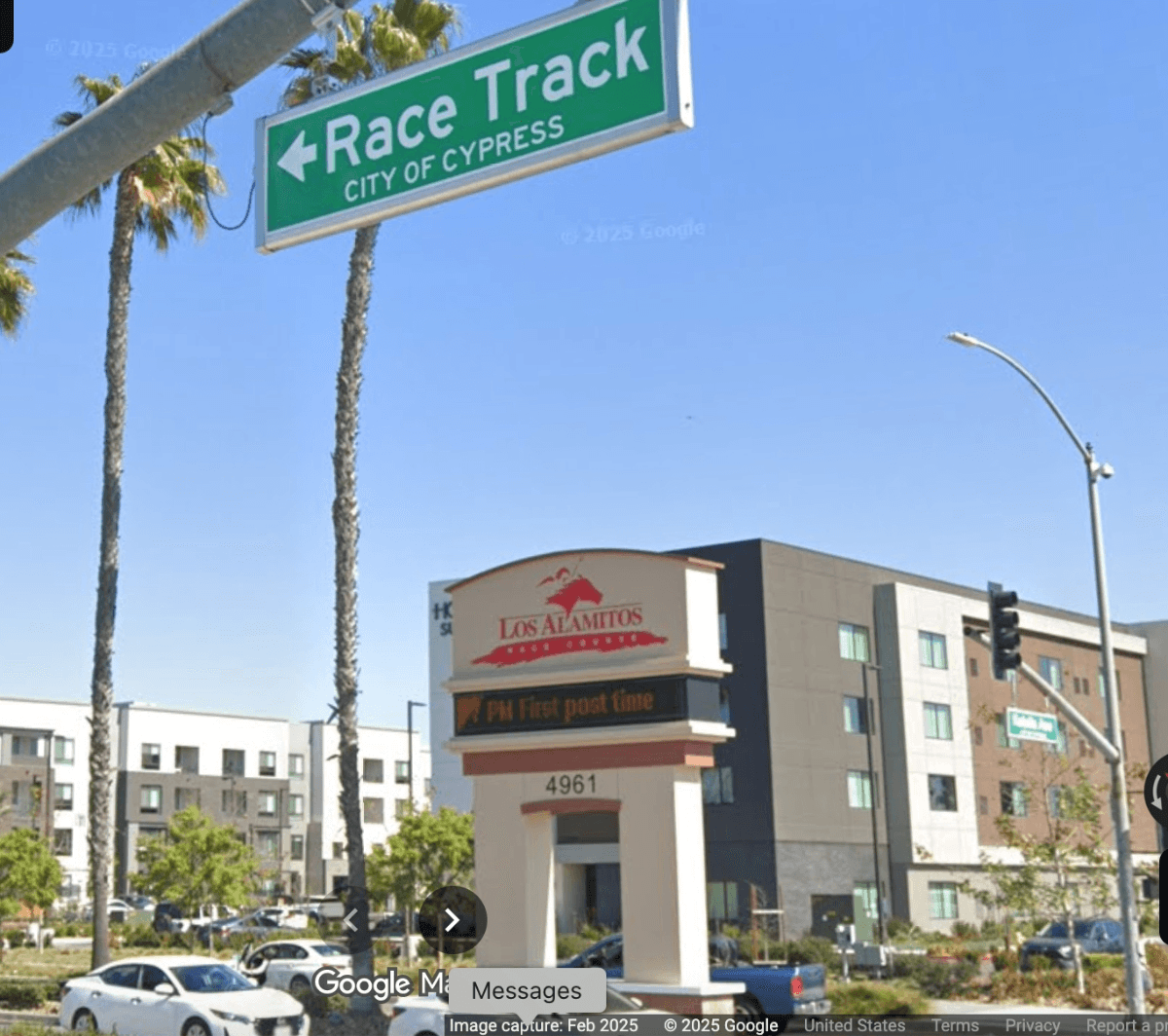
Los Alamitos Race Course is facing its most serious crisis in years after 18 horses died in 2025, prompting regulators to warn the track that its racing license is at risk without immediate safety reforms. Following three catastrophic injuries in a single day, the California Horse Racing Board has ordered urgent changes—including more veterinarians, stricter medication rules, and enhanced on‑track medical support—as pressure mounts for stronger oversight in a sport already under national scrutiny.
Canadian investors have poured more than US$5.8 billion into U.S. commercial real estate this year, making the U.S. their top destination even amid a lingering tariff dispute. Tight inventory in Canada and greater deal availability south of the border are driving the trend, with data centers and industrial properties emerging as the hottest targets for 2025.
Florida’s insurance commissioner says even industry pros struggle to read today’s 150‑page homeowners policies—leaving residents shocked when hurricane claims are denied. With rising premiums, high replacement costs, and widespread confusion over exclusions like flood and water damage, the state is pushing for simpler, clearer policy language so homeowners know what they’re actually covered for before the next storm hits.
Following the 2025 elections, major metros like New York, Chicago, Miami, Los Angeles, and Boston are implementing policy shifts that could reshape property values, rental income, development timelines, and investment strategy heading into 2026. From New York’s push toward aggressive rent reform to Chicago’s sustainability mandates and Miami’s uncertain mayoral runoff, these changes signal a new era where local politics increasingly dictate market performance. This breakdown highlights the biggest post‑election real estate pivots and what they mean for investors, agents, and finance professionals preparing for a rapidly evolving landscape.
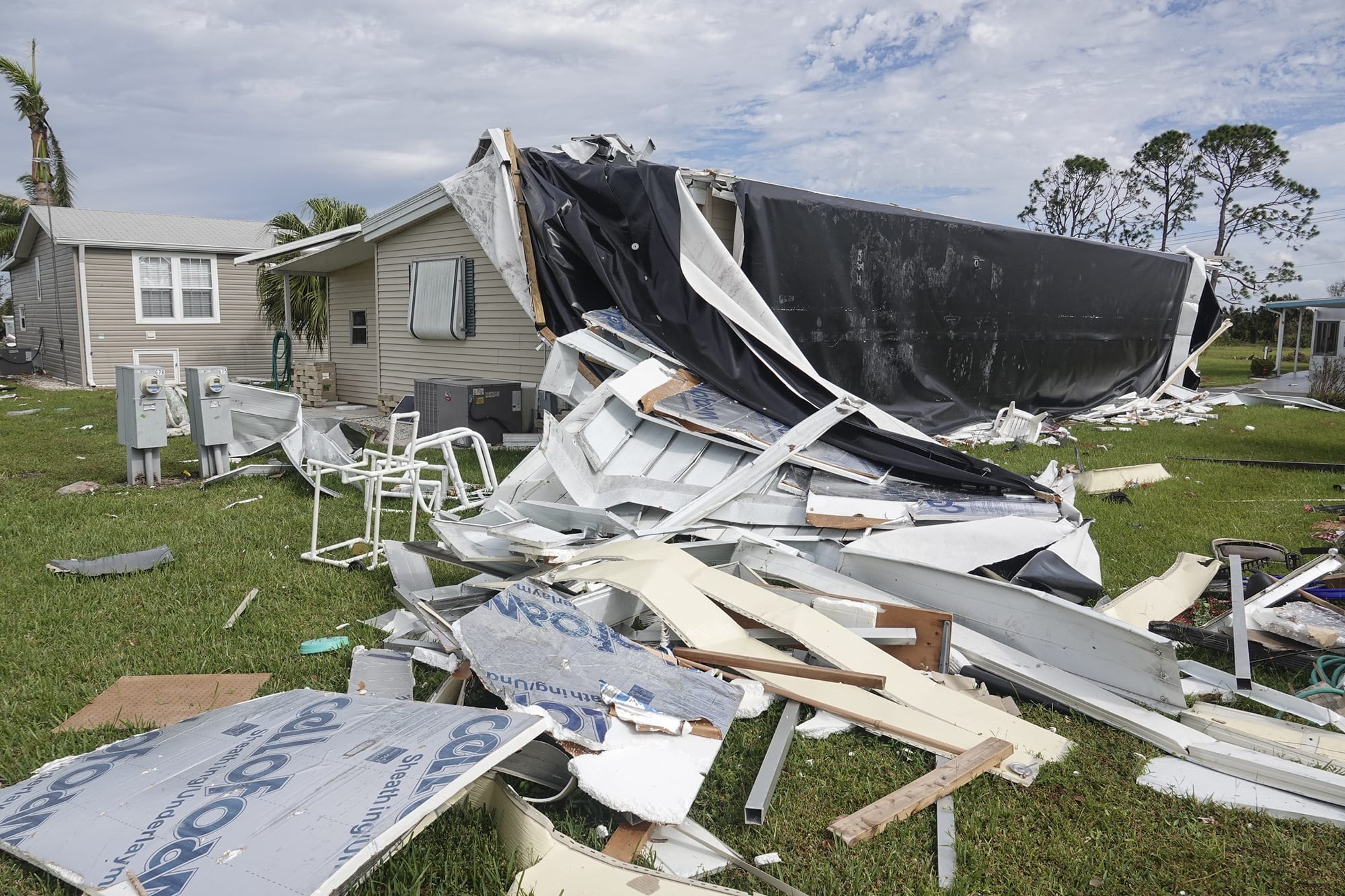
Florida’s Insurance Commissioner is sounding the alarm after thousands of homeowners discovered—only after hurricanes Helene and Milton—that the coverage they thought they had didn’t exist. With nearly 150,000 unpaid claims tied to misunderstood flood exclusions, water‑damage caps, and buried policy clauses, state leaders are pushing to simplify the dense, confusing documents most Floridians never read. As insurance costs remain one of the state’s top concerns, this growing complexity is creating a massive opportunity for real estate, mortgage, and insurance professionals to guide consumers before disaster strikes.
Florida’s insurance market is reliving an old crisis under a new name. Despite reforms meant to stabilize the system, homeowners are being forced out of Citizens and into pricier policies from small insurers with shaky financial histories. Companies tied to past insolvencies are returning with fresh branding, while highly rated carriers continue to deny a majority of claims. With political influence muddying regulation and climate risks rising, experts warn that only a full structural overhaul—not cosmetic reforms—can restore confidence for homeowners, agents, and the entire real estate market.