Long Island’s 2025 Real Estate Hits: Retail Revival, Housing Momentum, and the New Shape of Local Development
Source inspiration: Read the original LIBN story at https://libn.com
Long Island didn’t slow down in 2025—despite high construction costs, pressured financing, tight housing supply, and the fallout of rate hikes. Instead, the region delivered one of its most dynamic years in recent memory. New retail giants arrived, major housing projects broke ground, and transit‑oriented development took center stage.
For professionals in real estate, mortgages, development, finance, and allied industries, this year offered a front‑row seat to how markets evolve under pressure. And for those upgrading their career or pursuing required licensing, these shifts highlight the value of ongoing education—something Cameron Academy proudly provides across Florida and all 50 states.
Retail Titans Make Their Move
Wegmans finally opened its first Long Island location in Lake Grove—an eagerly awaited arrival more than a decade in the making. The 101,000‑square‑foot store became an instant success, complete with its cheerful rooster mascot greeting the crowds. Rumor has it additional Long Island sites are already under review.
Trader Joe’s spun the island’s biggest retail surprise of the year by acquiring a 66‑acre property in Islandia for $118.5 million, where it plans to build a 921,000‑square‑foot distribution center. The development could create up to 800 jobs and significantly boost the brand’s regional logistics and expansion capabilities.
Meanwhile, food and beverage newcomers such as Jinya Ramen Bar, Rocco’s Tacos, Joe & The Juice, and Dave’s Hot Chicken launched or planned their first Long Island restaurants—filling gaps left by Rite Aid’s closure cycle and giving retail corridors new vitality.
The Pickleball Boom: Big Boxes Become Big Courts
Pickleball reached new heights as two huge facilities opened in former big‑box stores. The Picklr transformed a Centereach Big Lots into an 11‑court professional‑grade club, while Pickleball Heaven in Medford introduced an 18‑court complex complete with a massive bar and retail space.
Industry insight: As consumer trends evolve, adaptive reuse of big-box spaces remains one of the strongest strategies in commercial real estate.
Housing Development Ramps Up Across the Island
Long Island’s housing inventory saw meaningful growth in 2025.
The $160 million Carriage House project in Patchogue broke ground—introducing 262 luxury apartments, river restoration, and new public spaces. In Westbury, two major transit‑oriented developments will bring nearly 344 apartments and new retail directly across from the LIRR station.
Riverhead’s Heritage on Main added 165 units and modern amenities, while East Northport finally welcomed the long‑awaited Matinecock Court affordable cooperative—nearly 50 years after its initial proposal.
Luxury Plans, Controversy, and High‑Profile Land Deals
Taconic Capital made headlines with its acquisition of a 13.3‑acre site next to the famed Oheka Castle. The plan: revive a stalled condominium development that could bring nearly 190 upscale units, pending final approvals and resolution of bankruptcy‑related hurdles.
Why This Matters for Professionals
Whether you’re a broker, loan officer, investor, appraiser, or developer, Long Island’s evolution reinforces a simple truth: opportunity never disappears— it shifts. And those prepared with the right credentials and knowledge move ahead fastest.
Cameron Academy continues to support professionals across real estate, mortgage, insurance, finance, and medical licensing—helping you stay educated, compliant, and competitive nationwide.
Explore licensing and continuing education anytime at CameronAcademy.com
The Bottom Line
Long Island’s 2025 real estate story is one of transformation and momentum. From high‑end grocery anchors to innovative housing solutions and booming recreational conversions, the region proved resilient and adaptive.
For deeper insights and the original reporting behind these developments, visit the team at LIBN—whose coverage continues to shape the region’s understanding of growth and opportunity.
More Articles
Getting licensed or staying ahead in your career can be a journey—but it doesn’t have to be overwhelming. Grab your favorite coffee or tea, take a moment to relax, and browse through our articles. Whether you’re just starting out or renewing your expertise, we’ve got tips, insights, and advice to keep you moving forward. Here’s to your success—one sip and one step at a time!
Artificial intelligence is rapidly reshaping the mortgage industry, boosting productivity, reducing manual work, and accelerating loan closings. From automated document data extraction to AI‑generated underwriting narratives and predictive analytics, lenders are using new tools that improve accuracy and drastically speed up processing times. With chatbots, next‑gen point‑of‑sale systems, and end‑to‑end automation, preapprovals that once took days now take minutes. For mortgage and real estate professionals, mastering AI is becoming a major competitive advantage—one that defines who will thrive in the future of lending.
Florida’s property insurance rates are finally starting to drop, but many homeowners are still seeing higher monthly bills. The reason isn’t insurer price hikes—it’s soaring replacement costs driven by construction inflation, labor shortages, and rising home values. Nearly 75 percent of recent premium increases came from higher property values alone. Understanding this gap between “rates” and “premiums” helps homeowners—and real estate and insurance professionals—navigate the shifting Florida market and make smarter coverage decisions.
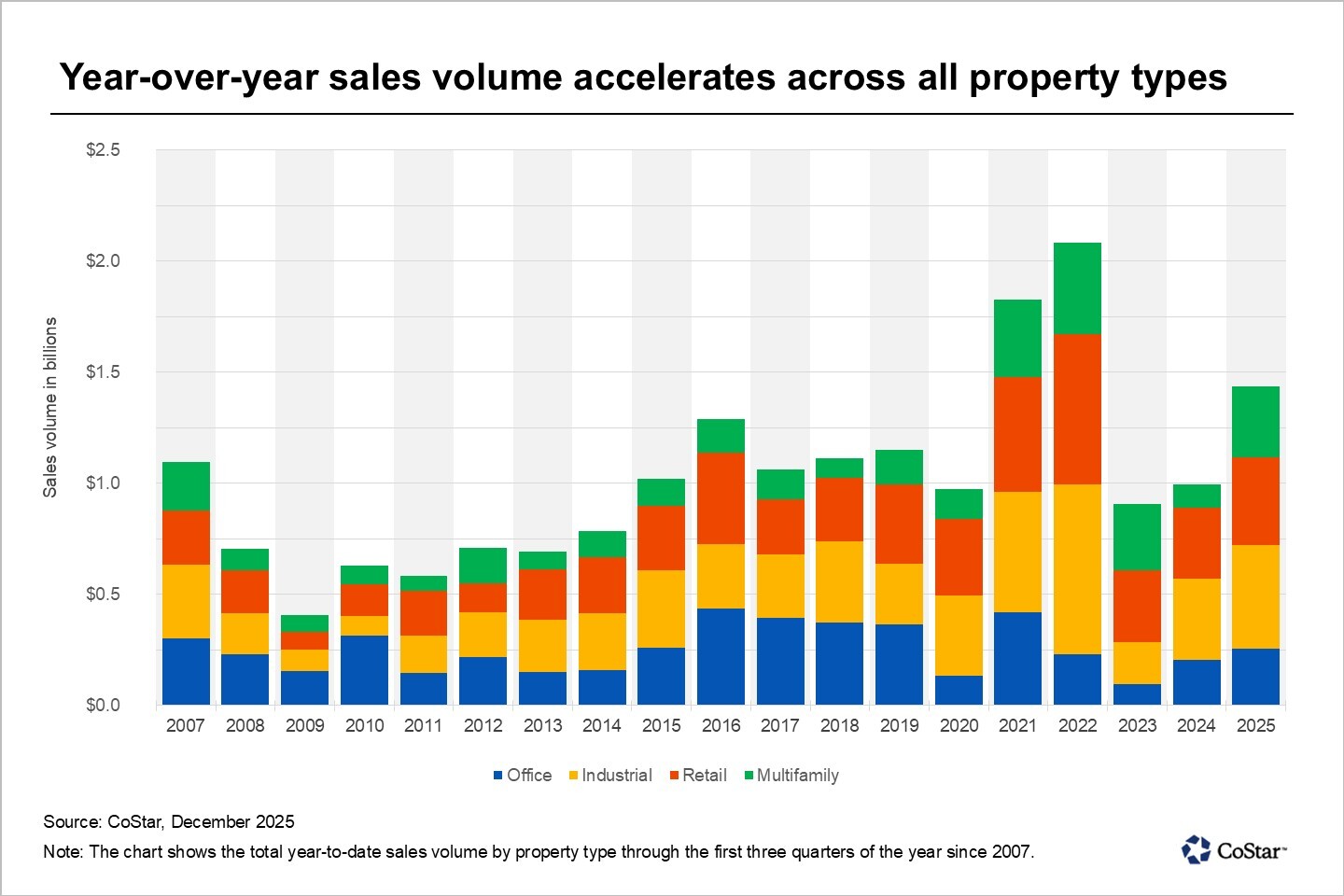
Milwaukee’s commercial real estate market is finally showing real signs of recovery, with 2025 sales volume hitting a three‑year high and investor confidence steadily returning. Driven by selective, fundamentals‑focused buying—favoring strong cash flow, quality assets, and strategic pricing—the city is moving from a period of correction into a healthier, opportunity‑rich phase. For real estate professionals nationwide, Milwaukee’s momentum reflects broader CRE market stabilization and the growing importance of disciplined underwriting and market expertise.
Industry leaders project a major surge in reverse mortgage activity heading into 2026, fueled by rising proprietary products, lender innovation, and strong investor interest. As high interest rates push originators to adopt new strategies, flexible private‑label options, senior‑focused HELOCs, and a wave of big‑capital investment are reshaping the market. With education and policy shifts poised to unlock even more demand, reverse mortgages are entering their most transformative era yet.
Experts forecast that 2026 may bring long‑awaited relief to homebuyers, with both existing and new home inventory expected to rise. NAR predicts a boost in home sales, a slight drop in mortgage rates, and a modest 4% increase in prices—conditions that could motivate more homeowners to list while builders add over a million new homes to the market. For first‑time buyers, higher loan limits and easing qualification standards may make entering the market more achievable than in recent years.
South Florida enters 2026 with renewed optimism as falling mortgage rates, improving buyer confidence, and a strong job market help stabilize a housing landscape that struggled in 2025—especially in the condo sector. While single-family homes remained resilient last year, condos faced price drops, rising fees, and hesitation tied to new safety regulations. With rates projected to fall to around 5.8% by year’s end, buying power is increasing, inventory may loosen, and activity is expected to pick up. Still, affordability challenges persist, Miami’s rental market remains intensely competitive, and the condo sector’s recovery will take time.


 The Mortgage Industry’s AI Transformation: Automation Reshapes Lending From Application to Approval Gallery