Long Island’s 2025 Real Estate Hits: Retail Revival, Housing Momentum, and the New Shape of Local Development
Source inspiration: Read the original LIBN story at https://libn.com
Long Island didn’t slow down in 2025—despite high construction costs, pressured financing, tight housing supply, and the fallout of rate hikes. Instead, the region delivered one of its most dynamic years in recent memory. New retail giants arrived, major housing projects broke ground, and transit‑oriented development took center stage.
For professionals in real estate, mortgages, development, finance, and allied industries, this year offered a front‑row seat to how markets evolve under pressure. And for those upgrading their career or pursuing required licensing, these shifts highlight the value of ongoing education—something Cameron Academy proudly provides across Florida and all 50 states.
Retail Titans Make Their Move
Wegmans finally opened its first Long Island location in Lake Grove—an eagerly awaited arrival more than a decade in the making. The 101,000‑square‑foot store became an instant success, complete with its cheerful rooster mascot greeting the crowds. Rumor has it additional Long Island sites are already under review.
Trader Joe’s spun the island’s biggest retail surprise of the year by acquiring a 66‑acre property in Islandia for $118.5 million, where it plans to build a 921,000‑square‑foot distribution center. The development could create up to 800 jobs and significantly boost the brand’s regional logistics and expansion capabilities.
Meanwhile, food and beverage newcomers such as Jinya Ramen Bar, Rocco’s Tacos, Joe & The Juice, and Dave’s Hot Chicken launched or planned their first Long Island restaurants—filling gaps left by Rite Aid’s closure cycle and giving retail corridors new vitality.
The Pickleball Boom: Big Boxes Become Big Courts
Pickleball reached new heights as two huge facilities opened in former big‑box stores. The Picklr transformed a Centereach Big Lots into an 11‑court professional‑grade club, while Pickleball Heaven in Medford introduced an 18‑court complex complete with a massive bar and retail space.
Industry insight: As consumer trends evolve, adaptive reuse of big-box spaces remains one of the strongest strategies in commercial real estate.
Housing Development Ramps Up Across the Island
Long Island’s housing inventory saw meaningful growth in 2025.
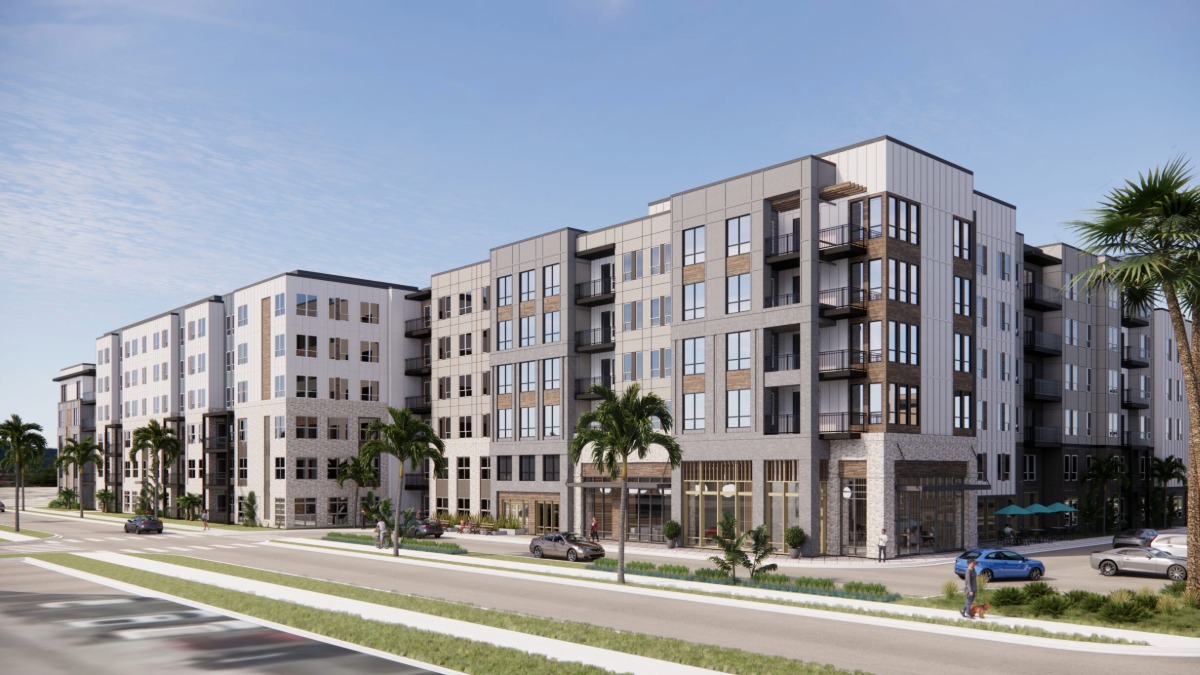
The $160 million Carriage House project in Patchogue broke ground—introducing 262 luxury apartments, river restoration, and new public spaces. In Westbury, two major transit‑oriented developments will bring nearly 344 apartments and new retail directly across from the LIRR station.
Riverhead’s Heritage on Main added 165 units and modern amenities, while East Northport finally welcomed the long‑awaited Matinecock Court affordable cooperative—nearly 50 years after its initial proposal.
Luxury Plans, Controversy, and High‑Profile Land Deals
Taconic Capital made headlines with its acquisition of a 13.3‑acre site next to the famed Oheka Castle. The plan: revive a stalled condominium development that could bring nearly 190 upscale units, pending final approvals and resolution of bankruptcy‑related hurdles.
Why This Matters for Professionals
Whether you’re a broker, loan officer, investor, appraiser, or developer, Long Island’s evolution reinforces a simple truth: opportunity never disappears— it shifts. And those prepared with the right credentials and knowledge move ahead fastest.
Cameron Academy continues to support professionals across real estate, mortgage, insurance, finance, and medical licensing—helping you stay educated, compliant, and competitive nationwide.
Explore licensing and continuing education anytime at CameronAcademy.com
The Bottom Line
Long Island’s 2025 real estate story is one of transformation and momentum. From high‑end grocery anchors to innovative housing solutions and booming recreational conversions, the region proved resilient and adaptive.
For deeper insights and the original reporting behind these developments, visit the team at LIBN—whose coverage continues to shape the region’s understanding of growth and opportunity.
More Articles
Getting licensed or staying ahead in your career can be a journey—but it doesn’t have to be overwhelming. Grab your favorite coffee or tea, take a moment to relax, and browse through our articles. Whether you’re just starting out or renewing your expertise, we’ve got tips, insights, and advice to keep you moving forward. Here’s to your success—one sip and one step at a time!
Landmark Properties has officially begun construction on The Mark Tampa, a six‑story luxury student community featuring over 800 beds, rooftop amenities, study spaces, retail, and modern unit layouts. Set to open before the 2027–2028 school year, the project signals strong investor confidence in North Tampa’s booming student housing market.
Florida’s property and auto insurance crisis is intensifying, setting the stage for a major political showdown ahead of the 2026 elections. Republicans argue recent reforms are finally stabilizing the market, while Democrats insist families are being crushed by soaring premiums and can’t wait for relief. With homeowners, condo associations, and insurers all feeling the pressure, lawmakers are preparing for one of the most consequential legislative battles in years.
Markets are betting heavily on a Federal Reserve rate cut in December, but that doesn’t guarantee lower mortgage rates. Even with an 85% chance of a cut priced in, mortgage rates move more with the 10‑year Treasury than the Fed itself — and recent history shows rates can rise even when the Fed eases. Today’s 6.43% average rate is the lowest in over a year, but still unpredictable, making financial readiness more important than trying to time the market.
Grand Junction is experiencing a powerful commercial real estate upswing, with 151 commercial units closed so far in 2025—a 36% jump from last year. Building permits are also up 23%, signaling expanding development momentum. Brokers say interest from national chains is accelerating the city’s evolution, bringing jobs, investment, and long‑term economic potential to Colorado’s Western Slope.
Nashville continues its rise as one of the nation’s most attractive real estate markets, landing the #6 spot in the Emerging Trends in Real Estate 2026 report from PwC and ULI. With strong demographic momentum, business expansion, and a development pipeline drawing national eyes, the city stands out amid shifting economic conditions. The report highlights fast‑growing sectors such as data centers, senior housing, and evolving office dynamics—offering real estate professionals valuable insight into where opportunities are emerging next.
Canada’s commercial real estate sector continues to evolve rapidly, with new data revealing major transactions, shifting investment patterns, and emerging economic signals across the country. From resilient retail spending to cooling construction and regional standouts like Montreal and the Prairies, this week’s CRE pulse—powered by Altus Group’s research team—gives real estate, mortgage, and finance professionals a sharp snapshot of the market forces to watch as 2025 winds down.