Long Island’s 2025 Real Estate Hits: Retail Revival, Housing Momentum, and the New Shape of Local Development
Source inspiration: Read the original LIBN story at https://libn.com
Long Island didn’t slow down in 2025—despite high construction costs, pressured financing, tight housing supply, and the fallout of rate hikes. Instead, the region delivered one of its most dynamic years in recent memory. New retail giants arrived, major housing projects broke ground, and transit‑oriented development took center stage.
For professionals in real estate, mortgages, development, finance, and allied industries, this year offered a front‑row seat to how markets evolve under pressure. And for those upgrading their career or pursuing required licensing, these shifts highlight the value of ongoing education—something Cameron Academy proudly provides across Florida and all 50 states.
Retail Titans Make Their Move
Wegmans finally opened its first Long Island location in Lake Grove—an eagerly awaited arrival more than a decade in the making. The 101,000‑square‑foot store became an instant success, complete with its cheerful rooster mascot greeting the crowds. Rumor has it additional Long Island sites are already under review.
Trader Joe’s spun the island’s biggest retail surprise of the year by acquiring a 66‑acre property in Islandia for $118.5 million, where it plans to build a 921,000‑square‑foot distribution center. The development could create up to 800 jobs and significantly boost the brand’s regional logistics and expansion capabilities.
Meanwhile, food and beverage newcomers such as Jinya Ramen Bar, Rocco’s Tacos, Joe & The Juice, and Dave’s Hot Chicken launched or planned their first Long Island restaurants—filling gaps left by Rite Aid’s closure cycle and giving retail corridors new vitality.
The Pickleball Boom: Big Boxes Become Big Courts
Pickleball reached new heights as two huge facilities opened in former big‑box stores. The Picklr transformed a Centereach Big Lots into an 11‑court professional‑grade club, while Pickleball Heaven in Medford introduced an 18‑court complex complete with a massive bar and retail space.
Industry insight: As consumer trends evolve, adaptive reuse of big-box spaces remains one of the strongest strategies in commercial real estate.
Housing Development Ramps Up Across the Island
Long Island’s housing inventory saw meaningful growth in 2025.
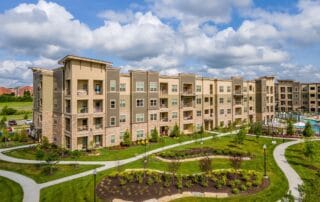
The $160 million Carriage House project in Patchogue broke ground—introducing 262 luxury apartments, river restoration, and new public spaces. In Westbury, two major transit‑oriented developments will bring nearly 344 apartments and new retail directly across from the LIRR station.
Riverhead’s Heritage on Main added 165 units and modern amenities, while East Northport finally welcomed the long‑awaited Matinecock Court affordable cooperative—nearly 50 years after its initial proposal.
Luxury Plans, Controversy, and High‑Profile Land Deals
Taconic Capital made headlines with its acquisition of a 13.3‑acre site next to the famed Oheka Castle. The plan: revive a stalled condominium development that could bring nearly 190 upscale units, pending final approvals and resolution of bankruptcy‑related hurdles.
Why This Matters for Professionals
Whether you’re a broker, loan officer, investor, appraiser, or developer, Long Island’s evolution reinforces a simple truth: opportunity never disappears— it shifts. And those prepared with the right credentials and knowledge move ahead fastest.
Cameron Academy continues to support professionals across real estate, mortgage, insurance, finance, and medical licensing—helping you stay educated, compliant, and competitive nationwide.
Explore licensing and continuing education anytime at CameronAcademy.com
The Bottom Line
Long Island’s 2025 real estate story is one of transformation and momentum. From high‑end grocery anchors to innovative housing solutions and booming recreational conversions, the region proved resilient and adaptive.
For deeper insights and the original reporting behind these developments, visit the team at LIBN—whose coverage continues to shape the region’s understanding of growth and opportunity.
More Articles
Getting licensed or staying ahead in your career can be a journey—but it doesn’t have to be overwhelming. Grab your favorite coffee or tea, take a moment to relax, and browse through our articles. Whether you’re just starting out or renewing your expertise, we’ve got tips, insights, and advice to keep you moving forward. Here’s to your success—one sip and one step at a time!
Fort Myers Beach is becoming the front line of a new Florida—one shaped by hurricane devastation, soaring insurance premiums, and rapid gentrification. Three years after Hurricane Ian, residents are still battling massive rebuilding costs and insurance bills that now exceed $5,700 a year on average, with flood insurance reaching $10,000 for some families. Long-time locals, small businesses, and service workers are being priced out as wealthy investors move in, transforming once-affordable coastal communities. Real estate professionals warn that foreclosures may rise if economic pressures continue, signaling a pivotal moment for Florida’s housing market and the professionals who serve it.
Economic uncertainty, AI disruption, slowing population growth, and rising portfolio risk are reshaping commercial real estate heading into 2026. A new report unveiled at NAR NXT highlights the forces that will reward informed professionals — and challenge those who aren’t prepared. From fiscal policy and shifting capital flows to tech transformation and housing shortages, the landscape is evolving fast. Cameron Academy breaks down the key issues so real estate, mortgage, finance, and insurance professionals can stay ahead of the curve.
A sudden federal shutdown of FEMA’s BRIC resiliency program has left cities and commercial property owners scrambling, exposing billions in real estate to rising climate threats. With nearly a billion dollars in mitigation funding clawed back and extreme weather intensifying, insurance premiums are expected to surge and coverage may shrink — placing new pressure on markets like Florida and New York.
A new Florida Senate bill aims to stop cities and counties from blocking residential developments over vague “compatibility” concerns. Supporters say the measure would speed up homebuilding and ease housing shortages, while opponents argue it strips communities of essential oversight and could accelerate growth without proper planning. The proposal could reshape development timelines and land-use decisions statewide, making it a major issue for real estate professionals to watch.
Cape Coral–Fort Myers has officially moved into buyer-friendly territory, with homes now sitting a median 119 days on the market—far longer than both the Florida and U.S. averages. Rising inventory, a 36.9 percent price‑reduction rate, and slower absorption compared to accumulated supply are giving buyers more leverage and time to negotiate, signaling a meaningful reset in this once‑fast‑moving Florida market.
Kansas City’s commercial real estate sector is finally turning a corner after several years of sluggish activity. Retail is leading the rebound, while multifamily and industrial properties are gaining traction as pricing stabilizes and buyer confidence returns. A standout 2025 transaction—the sale of the 380‑unit Cyan Southcreek community—signals that capital is flowing back into the market. With bid‑ask spreads tightening and investor optimism rising, Kansas City is entering a period of renewed opportunity for real estate professionals and investors alike.


 Florida’s Middle Class Is Being Squeezed Out: Insurance Costs, Rebuilding Struggles, and a Changing Coastline Gallery