Los Alamitos Faces a Crucial Moment After 18 Racehorse Deaths This Year
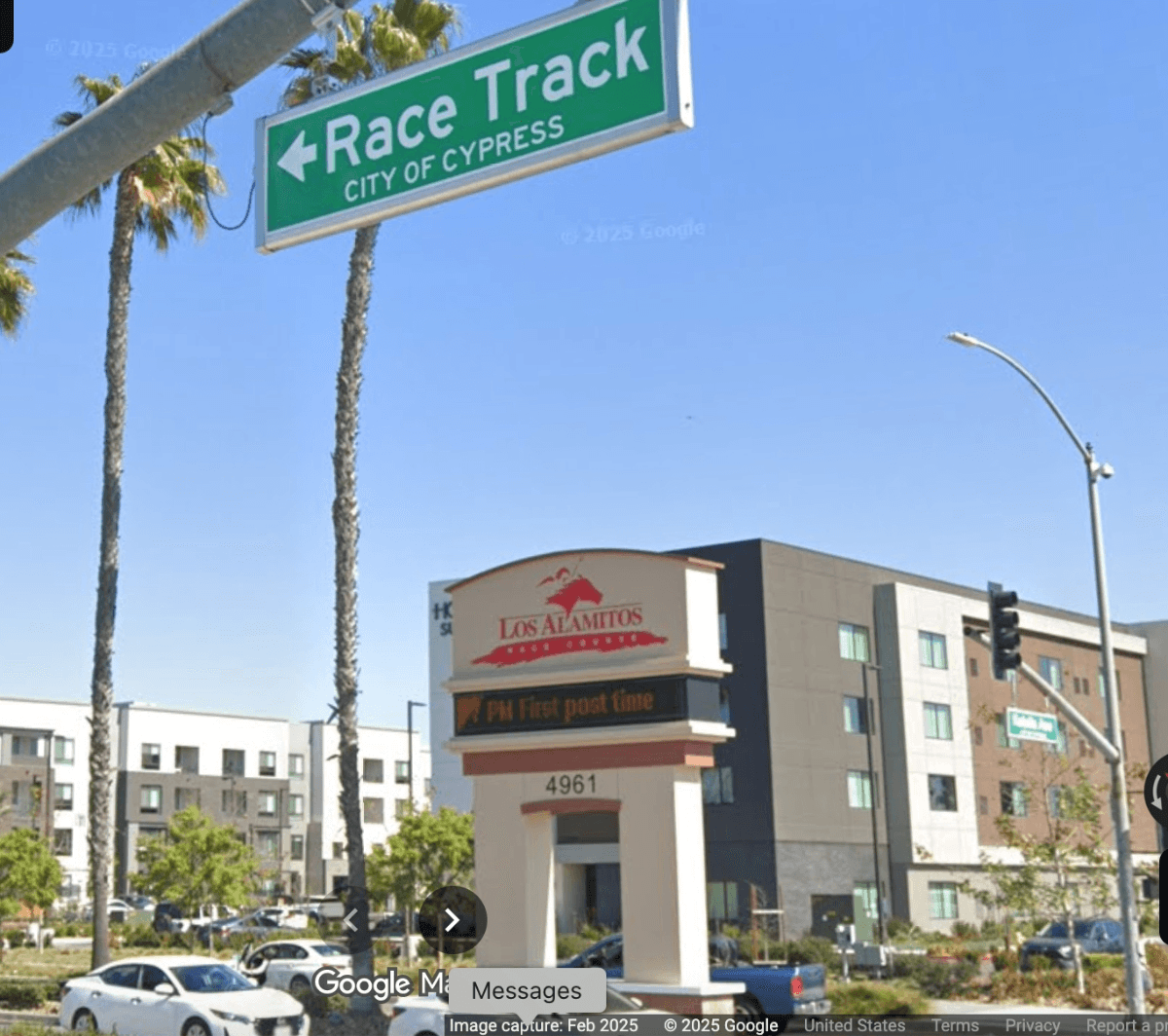
In a troubling year for California racing, Los Alamitos Race Course is under fierce scrutiny after 18 horses died or were euthanized in 2025—three of them on a single Sunday. Following these heartbreaking losses, the California Horse Racing Board (CHRB) has issued a serious ultimatum: enact safety reforms immediately or face the potential loss of the track’s racing license.
According to CHRB officials, all three horses who died on Sunday—Backside Ace, Champions Run, and B Ratifyed—suffered catastrophic racing injuries. Required postmortem examinations are underway to determine the exact causes.
Regulators Step In
The CHRB sent a letter to Los Alamitos leadership expressing significant concern regarding the track’s safety record. Executive Director Scott Chaney noted that an emergency meeting may be called under CHRB Rule 1435—giving the board the authority to suspend racing entirely if immediate improvements are not implemented.
The reforms are not optional. Track management responded by pledging full cooperation, stating that safety has always been a priority but will now be treated with “even greater urgency.” Weekly meetings with regulators and medical directors are already scheduled.
See the Minimum Required Reforms
• Add an additional regulatory veterinarian for morning examinations.
• Ensure a private veterinarian is present nightly during racing.
• Utilize a second equine ambulance during race events.
• Further restrict IA injections near racing and workouts.
• Attend weekly safety and regulatory meetings with CHRB staff.
A Troubling Pattern Over Multiple Years
This year’s fatalities mirror last year’s total, when 18 horses died from racing or training injuries in 2024. Los Alamitos was even placed on probation in 2020 after a similar spike in deaths. Although reforms were implemented, advocates argue they have not yet gone far enough.
Martha Sullivan of Kill Racing Not Horses delivered a sharp critique, stating that “no legitimate sport would tolerate the deaths of 60 of its athletes in 46 weeks in just one state.”
A Wider Conversation About Safety and Regulation
The scrutiny surrounding Los Alamitos reflects a broader movement in regulated industries: greater transparency, enhanced oversight, and stricter safety protocols. Professionals in fields such as real estate, insurance, healthcare, and finance know well that compliance isn’t optional—it’s fundamental.
At Cameron Academy, we train thousands of professionals nationwide to understand licensing, compliance, and ethical practice. Whether you’re entering real estate, renewing a license, or transitioning into a new professional field, staying educated remains the key to protecting the public and elevating your career.
Getting licensed or staying ahead in your career can be a journey—but it doesn’t have to be overwhelming. Grab your favorite coffee or tea, take a moment to relax, and browse through our articles. Whether you’re just starting out or renewing your expertise, we’ve got tips, insights, and advice to keep you moving forward. Here’s to your success—one sip and one step at a time!
Financial analysis remains one of the strongest career paths for professionals seeking high earnings, steady growth, and long-term stability. With median salaries above $100K, expanding demand across industries, and clear promotion tracks leading to senior leadership roles, the field offers both opportunity and resilience—even as AI reshapes the workplace. This article breaks down what analysts do, salary expectations, job outlook, industry demand, and whether this career is the right fit for you.
After losing their home in the Los Angeles wildfires, Jessica and Matt Conkle expected their insurance policy to help them rebuild. Instead, they found themselves trapped in delays, lowball offers, and endless adjuster changes — a struggle now shared by thousands across California. Their experience highlights a nationwide problem: insurers pulling back from climate‑risk areas, soaring premiums, shrinking coverage, and regulators under fire. For professionals in real estate, mortgage, and insurance, this growing instability is reshaping transactions, lending, risk assessment, and the future of homeownership in America.
Kansas City’s housing market is finally gaining momentum heading into 2026 as falling interest rates, new construction, and a renewed focus on affordable homes open the door for first‑time buyers. Economists say improved supply and softer mortgage rates could shift the market after a challenging 2025, giving real estate professionals and buyers a promising window of opportunity.
Nevada has become the first state to allow insurers to sell homeowners policies without wildfire protection—a move aimed at lowering premiums but raising concerns about consumer risk and mortgage barriers. The law introduces new wildfire‑only policies and a regulatory sandbox for insurance innovation, potentially setting a precedent for other Western states.
Investment groups across the U.S. are rapidly expanding into tax‑deferred real estate programs as demand for Delaware Statutory Trusts (DSTs) accelerates. Major players like Blackstone, Brookfield, Denholtz, and PREP are launching new offerings fueled by stronger market certainty, a historic generational wealth transfer, and renewed confidence in 1031 exchange benefits. As DSTs move into the mainstream, real estate professionals are finding new opportunities to guide clients through advanced tax‑advantaged investment strategies.
Canada’s proptech sector is evolving fast as AI adoption accelerates and investor caution forces startups to mature. Funding has tightened, growth rounds have slowed, and companies are shifting from rapid expansion to profitability and real product‑market fit. AI‑driven platforms like Mave are gaining traction, consolidation is rising, and government housing initiatives may boost construction‑focused tech. For real estate professionals, these trends signal a new industry standard where AI tools and ongoing education are essential to staying competitive.