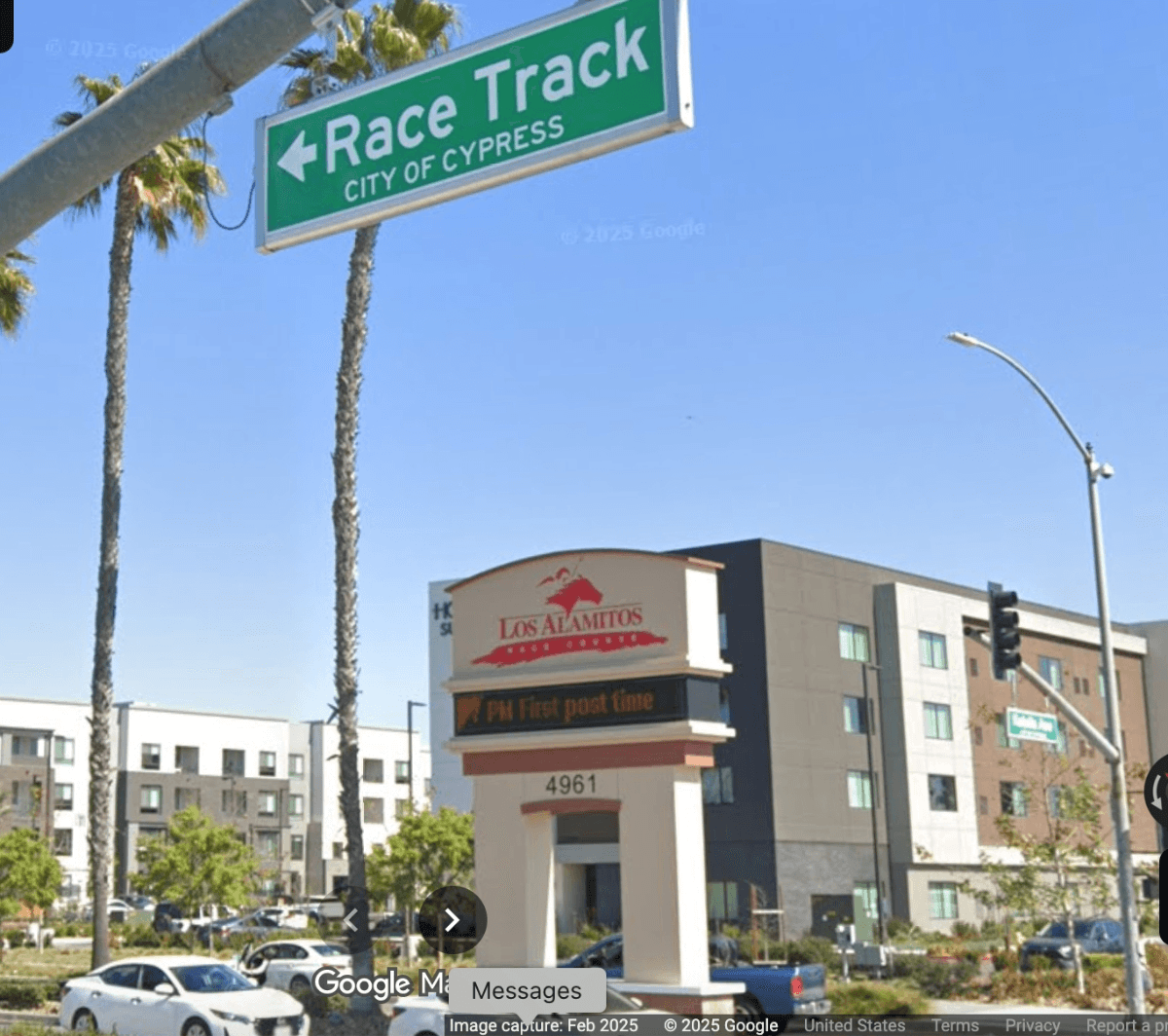
Los Alamitos Faces a Crucial Moment After 18 Racehorse Deaths This Year
In a troubling year for California racing, Los Alamitos Race Course is under fierce scrutiny after 18 horses died or were euthanized in 2025—three of them on a single Sunday. Following these heartbreaking losses, the California Horse Racing Board (CHRB) has issued a serious ultimatum: enact safety reforms immediately or face the potential loss of the track’s racing license.
According to CHRB officials, all three horses who died on Sunday—Backside Ace, Champions Run, and B Ratifyed—suffered catastrophic racing injuries. Required postmortem examinations are underway to determine the exact causes.
Regulators Step In
The CHRB sent a letter to Los Alamitos leadership expressing significant concern regarding the track’s safety record. Executive Director Scott Chaney noted that an emergency meeting may be called under CHRB Rule 1435—giving the board the authority to suspend racing entirely if immediate improvements are not implemented.
The reforms are not optional. Track management responded by pledging full cooperation, stating that safety has always been a priority but will now be treated with “even greater urgency.” Weekly meetings with regulators and medical directors are already scheduled.
See the Minimum Required Reforms
• Add an additional regulatory veterinarian for morning examinations.
• Ensure a private veterinarian is present nightly during racing.
• Utilize a second equine ambulance during race events.
• Further restrict IA injections near racing and workouts.
• Attend weekly safety and regulatory meetings with CHRB staff.
A Troubling Pattern Over Multiple Years
This year’s fatalities mirror last year’s total, when 18 horses died from racing or training injuries in 2024. Los Alamitos was even placed on probation in 2020 after a similar spike in deaths. Although reforms were implemented, advocates argue they have not yet gone far enough.
Martha Sullivan of Kill Racing Not Horses delivered a sharp critique, stating that “no legitimate sport would tolerate the deaths of 60 of its athletes in 46 weeks in just one state.”
A Wider Conversation About Safety and Regulation
The scrutiny surrounding Los Alamitos reflects a broader movement in regulated industries: greater transparency, enhanced oversight, and stricter safety protocols. Professionals in fields such as real estate, insurance, healthcare, and finance know well that compliance isn’t optional—it’s fundamental.
At Cameron Academy, we train thousands of professionals nationwide to understand licensing, compliance, and ethical practice. Whether you’re entering real estate, renewing a license, or transitioning into a new professional field, staying educated remains the key to protecting the public and elevating your career.
Getting licensed or staying ahead in your career can be a journey—but it doesn’t have to be overwhelming. Grab your favorite coffee or tea, take a moment to relax, and browse through our articles. Whether you’re just starting out or renewing your expertise, we’ve got tips, insights, and advice to keep you moving forward. Here’s to your success—one sip and one step at a time!
Local elections across major U.S. cities have kicked off a wave of policy changes that could reshape development costs, rental income, and investment strategies heading into 2026. From NYC’s aggressive tenant‑protection agenda to Chicago’s sustainability push, Miami’s political uncertainty, and Boston’s steady zoning overhaul, the post‑election environment is redefining how real estate professionals, investors, and lenders should prepare for the year ahead.
Insurance carriers are rapidly rolling out AI-related exclusions that strip coverage from claims involving AI tools, automated decision‑making, or generative platforms like ChatGPT and Midjourney. With firms like Berkley and Hamilton introducing sweeping “absolute” and generative‑AI‑specific exclusions, professionals in real estate, mortgage, insurance, and finance now face new liability gaps. As AI becomes unavoidable in everyday work, understanding these exclusions is essential for protecting your career and staying compliant in a fast‑changing risk environment.
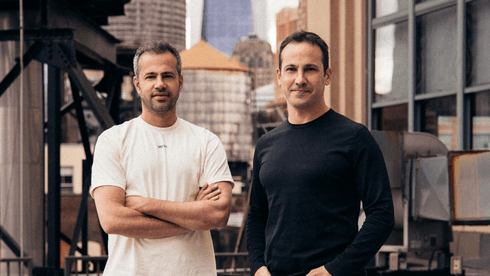
Proptech startup Venn has raised a $52 million Series B to unify the entire renting lifecycle into one intelligent platform, replacing over a dozen traditional systems and serving more than half a million tenants. As AI‑powered tools like Venn rapidly reshape property operations, real estate professionals — especially in fast‑moving markets like Florida — will need stronger education and tech‑savvy skills to stay competitive.
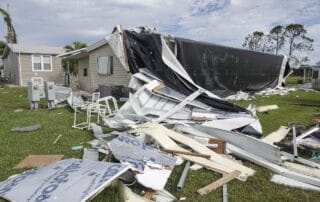
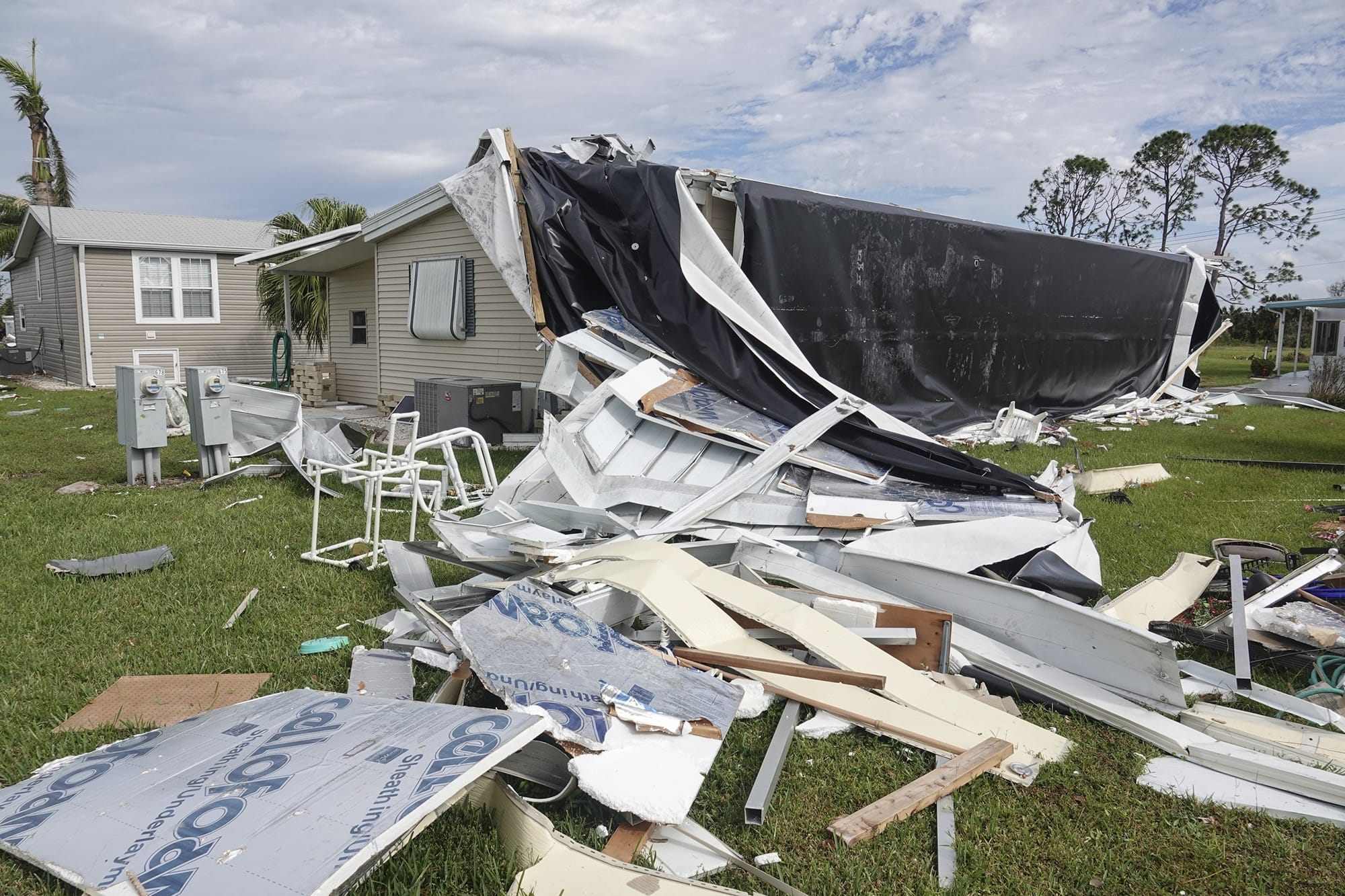
Florida’s Gulf Coast is undergoing a dramatic transformation as soaring insurance premiums, costly construction requirements, and the long shadow of Hurricane Ian force middle‑class families, workers, and longtime residents out of communities they once anchored. With premiums topping $5,700 a year — and many paying far more — Realtors warn of looming foreclosures, renters face steep increases, and entire neighborhoods are being rebuilt for wealthier newcomers. This mounting crisis is reshaping the state’s real estate landscape and leaving professionals scrambling to adapt.
Economic uncertainty, rapid tech advances and shifting population patterns are setting the stage for a pivotal year in commercial real estate. New findings from the Counselors of Real Estate, presented at NAR NXT, outline ten major forces reshaping strategy, investment and opportunity in 2026—from policy impacts and portfolio risk to AI adoption, capital flow changes, housing attainability and demographic shifts. This outlook offers clarity and caution for professionals across real estate, mortgage, finance and related fields.
Florida’s home insurance crisis is back in the spotlight as new reforms appear to be repeating decades‑old mistakes. Despite efforts to depopulate Citizens and attract private insurers, many of the companies taking over policies have ties to past insolvencies. Critics say weak oversight, generous ratings, and political influence are allowing unstable insurers to thrive while homeowners pay more for less protection. Experts warn that without transparent ratings, real accountability, and unified regulation, Florida’s insurance market will remain vulnerable—putting property values, lending, and the broader real estate industry at risk.