Los Alamitos Faces a Crucial Moment After 18 Racehorse Deaths This Year
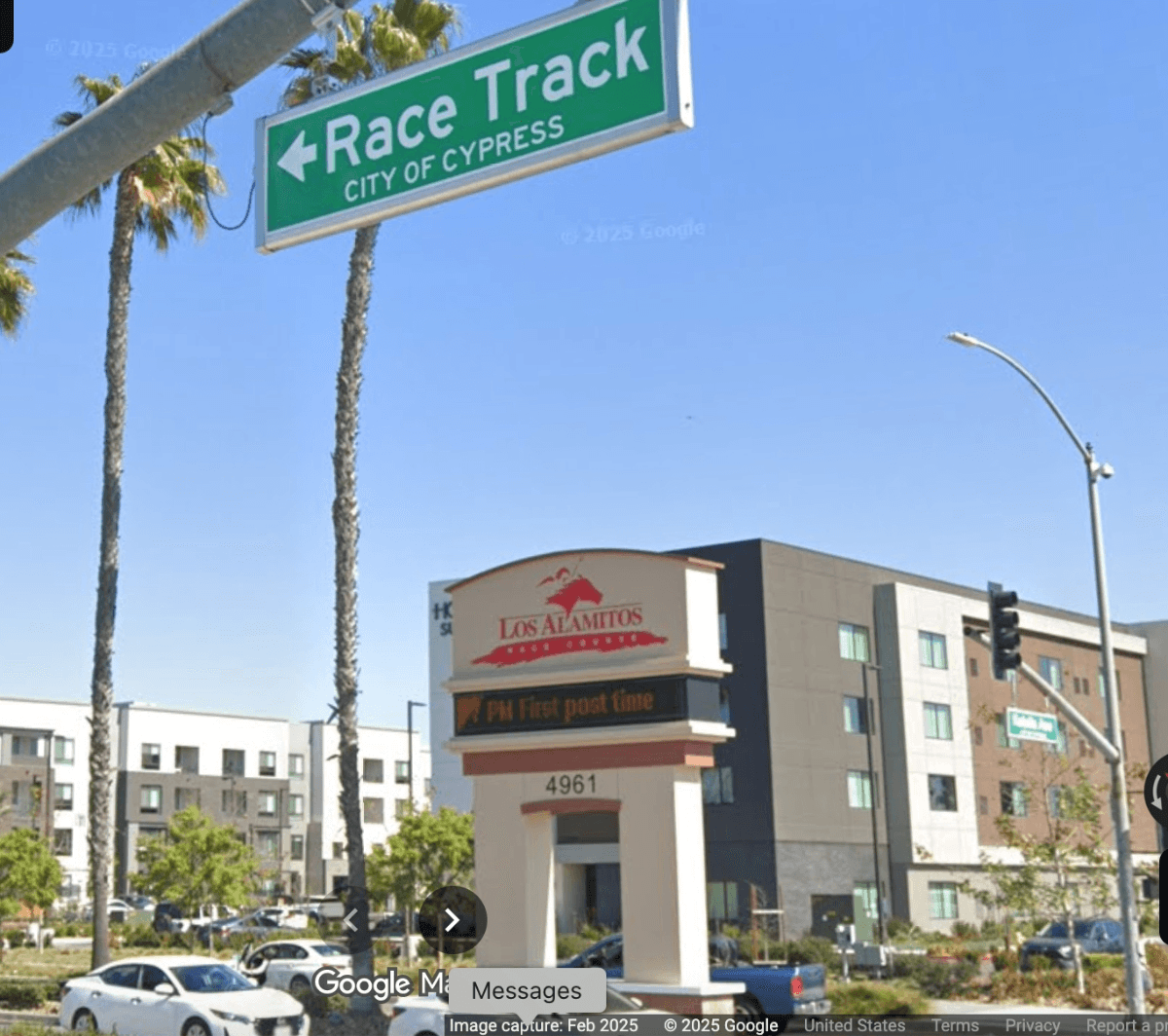
In a troubling year for California racing, Los Alamitos Race Course is under fierce scrutiny after 18 horses died or were euthanized in 2025—three of them on a single Sunday. Following these heartbreaking losses, the California Horse Racing Board (CHRB) has issued a serious ultimatum: enact safety reforms immediately or face the potential loss of the track’s racing license.
According to CHRB officials, all three horses who died on Sunday—Backside Ace, Champions Run, and B Ratifyed—suffered catastrophic racing injuries. Required postmortem examinations are underway to determine the exact causes.
Regulators Step In
The CHRB sent a letter to Los Alamitos leadership expressing significant concern regarding the track’s safety record. Executive Director Scott Chaney noted that an emergency meeting may be called under CHRB Rule 1435—giving the board the authority to suspend racing entirely if immediate improvements are not implemented.
The reforms are not optional. Track management responded by pledging full cooperation, stating that safety has always been a priority but will now be treated with “even greater urgency.” Weekly meetings with regulators and medical directors are already scheduled.
See the Minimum Required Reforms
• Add an additional regulatory veterinarian for morning examinations.
• Ensure a private veterinarian is present nightly during racing.
• Utilize a second equine ambulance during race events.
• Further restrict IA injections near racing and workouts.
• Attend weekly safety and regulatory meetings with CHRB staff.
A Troubling Pattern Over Multiple Years
This year’s fatalities mirror last year’s total, when 18 horses died from racing or training injuries in 2024. Los Alamitos was even placed on probation in 2020 after a similar spike in deaths. Although reforms were implemented, advocates argue they have not yet gone far enough.
Martha Sullivan of Kill Racing Not Horses delivered a sharp critique, stating that “no legitimate sport would tolerate the deaths of 60 of its athletes in 46 weeks in just one state.”
A Wider Conversation About Safety and Regulation
The scrutiny surrounding Los Alamitos reflects a broader movement in regulated industries: greater transparency, enhanced oversight, and stricter safety protocols. Professionals in fields such as real estate, insurance, healthcare, and finance know well that compliance isn’t optional—it’s fundamental.
At Cameron Academy, we train thousands of professionals nationwide to understand licensing, compliance, and ethical practice. Whether you’re entering real estate, renewing a license, or transitioning into a new professional field, staying educated remains the key to protecting the public and elevating your career.
Getting licensed or staying ahead in your career can be a journey—but it doesn’t have to be overwhelming. Grab your favorite coffee or tea, take a moment to relax, and browse through our articles. Whether you’re just starting out or renewing your expertise, we’ve got tips, insights, and advice to keep you moving forward. Here’s to your success—one sip and one step at a time!
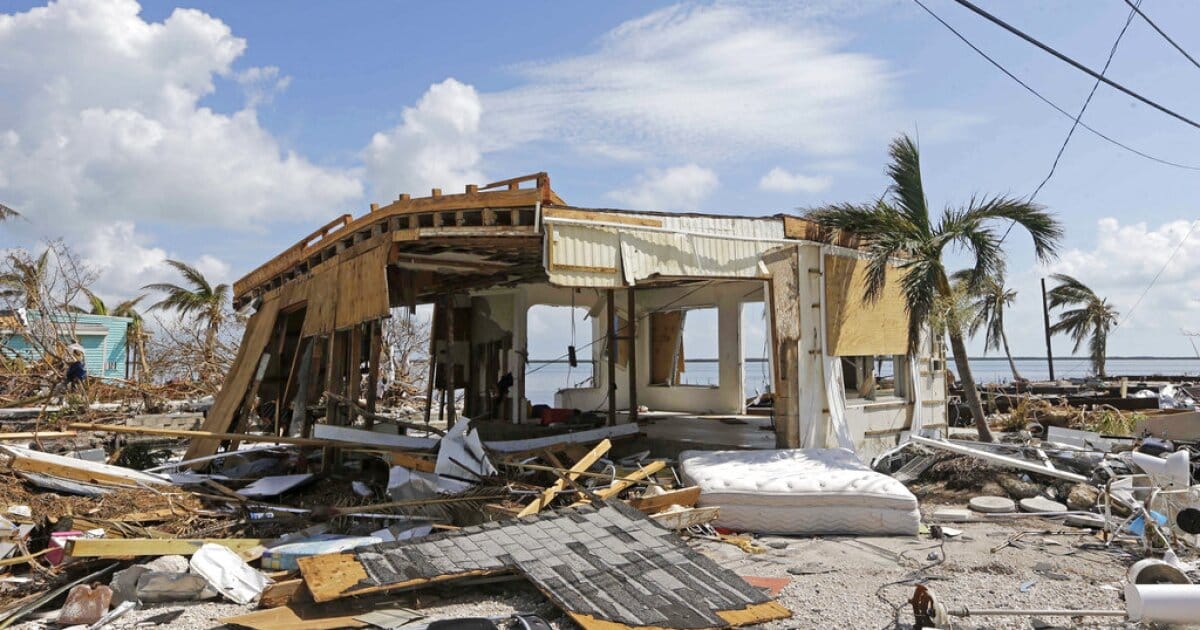
Skyrocketing insurance premiums and soaring rebuilding costs are transforming communities across Southwest Florida, especially in the wake of Hurricane Ian. As longtime residents struggle to keep up with rising financial pressure, wealthier newcomers and stricter building standards are reshaping the identity of places like Fort Myers Beach. With insurance rates now driving home sales, triggering potential foreclosures, and squeezing both owners and renters, Florida’s middle-class families face a growing question: can they afford to stay in the state they love?
Florida’s insurance industry is stabilizing fast, with nearly 1.6 million policies shifting from Citizens to private insurers and litigation dropping sharply. Regulators report stronger market confidence, decreasing premiums, and renewed competition—signaling one of the healthiest periods the state has seen in years.
A Leon County judge has ordered the restart of arbitration for Citizens Property Insurance claims, directly conflicting with a previous ruling that halted the process as potentially unconstitutional. With more than 400 cases now back in motion, real estate, insurance, and mortgage professionals can expect renewed activity in claim disputes and fresh uncertainty as Florida courts clash over the legality of Citizens’ arbitration system.
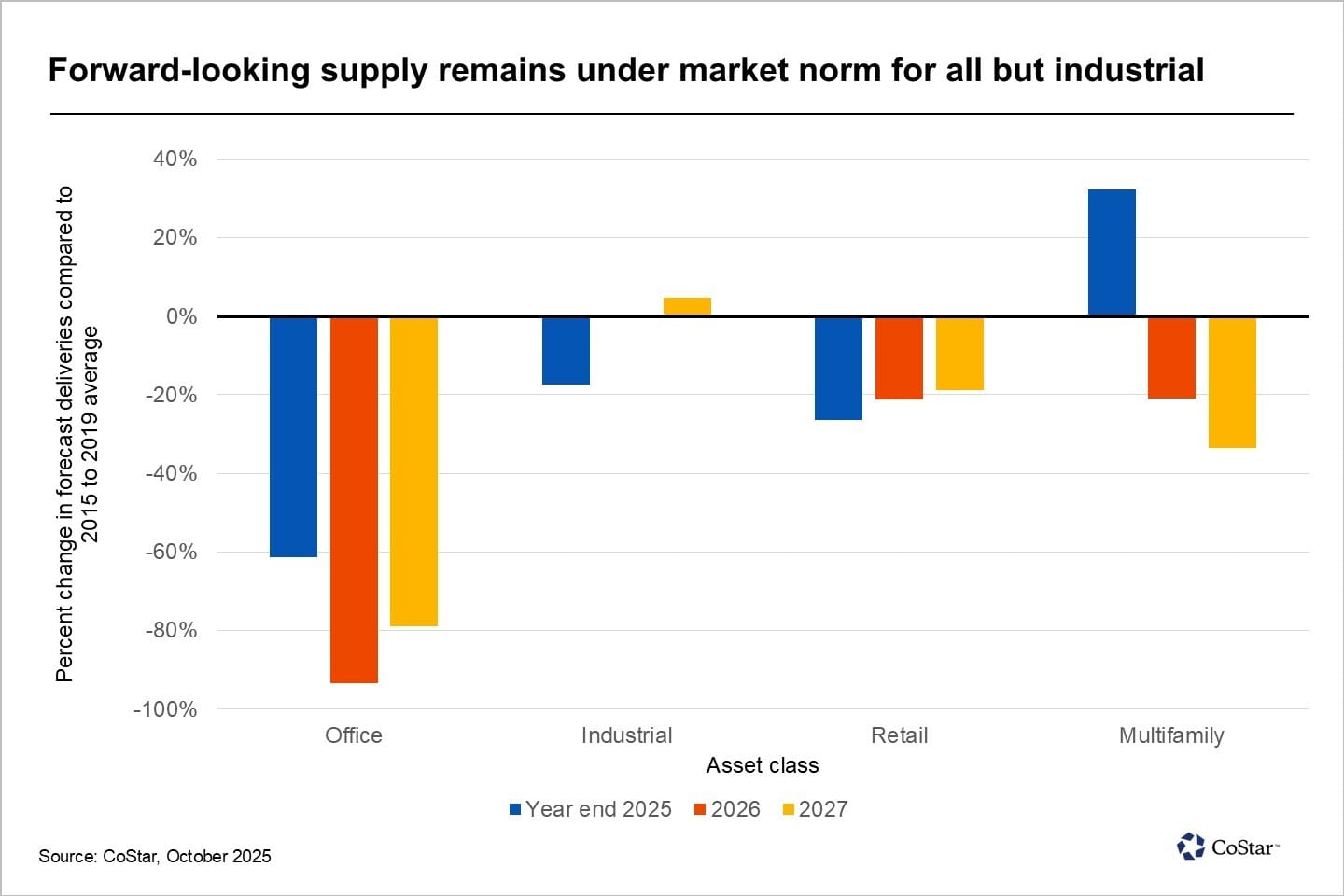
The DFW market is transitioning into a new construction phase marked by a slowdown in office development, a more selective approach to industrial projects, and an evolving housing landscape shaped by affordability and population growth. Developers are recalibrating their priorities, and for real estate professionals, understanding these shifts offers a critical edge in navigating—and capitalizing on—the next phase of the metroplex’s growth.
A new federal lawsuit claims Zillow pushed homebuyers toward Zillow Home Loans by rewarding affiliated agents with valuable leads — all without proper disclosure. The suit alleges undisclosed incentives, referral quotas, and potential RESPA violations, raising major concerns about steering, fiduciary duties, and Zillow’s expanding mortgage ambitions.
The mortgage industry is evolving fast, and the lenders who come out on top will be those who innovate without uprooting what already works. By building on strong technology foundations, streamlining workflows and adopting smart automation, lenders can reduce costs, improve customer experience and stay resilient in any market cycle. This article breaks down why innovation matters now, how a stable tech ecosystem protects lenders in volatile conditions and why small, strategic steps can drive long-term transformation.