In a city where the notion of a “100% affordable project” without public funding once seemed a contradiction, Los Angeles is witnessing an unprecedented transformation. Thanks to an executive order signed by Mayor Karen Bass, the city is now approving these projects by the hundreds, reshaping the landscape of affordable housing.
The executive order, enacted in December 2022, has led to plans for more than 13,770 affordable units, a figure nearly matching the combined total of the previous three years. This policy has not only accelerated the approval process but has also opened the doors for private developers, traditionally focused on luxury housing, to venture into affordable housing.
Developers like Andrew Slocum and Terry Harris are now spearheading projects like the proposed seven-story building on West Court Street. These projects, once deemed financially unfeasible without subsidies, are now viable due to the streamlined processes and incentives provided by the executive order.
However, this rapid development has sparked political debates and legal challenges. Two lawsuits and ongoing discussions in the city council highlight the contentious nature of transforming a mayoral decree into a permanent policy. The executive order, while expediting affordable housing, has also raised questions about its long-term sustainability and impact on existing neighborhoods.
Los Angeles Mayor Karen Bass speaks during the ninth Annual Conference of the African American Mayors Association. Photo by Rod Lamkey, CNP/Sipa USA via Reuters
A Shift in Housing Policy
The shift in policy has allowed developers to bypass traditional hurdles such as environmental impact studies and city council hearings. This expedited process, coupled with the absence of prevailing wage requirements, has made affordable housing projects financially attractive to profit-driven developers.
Yet, the affordability of these projects remains a topic of debate. While they cater to individuals earning under $100,000, the rent for a studio can still reach $1,800, a far cry from the lower rates offered by subsidized housing projects.
The Road Ahead
As Los Angeles navigates this new terrain, the city council is considering a permanent ordinance to solidify the executive order’s provisions. The outcome of this legislative process will determine the future of affordable housing in Los Angeles and whether the city can maintain this momentum without sacrificing community integrity.
For more insights on this evolving story, refer to the original article from CalMatters.
More Articles
Getting licensed or staying ahead in your career can be a journey—but it doesn’t have to be overwhelming. Grab your favorite coffee or tea, take a moment to relax, and browse through our articles. Whether you’re just starting out or renewing your expertise, we’ve got tips, insights, and advice to keep you moving forward. Here’s to your success—one sip and one step at a time!
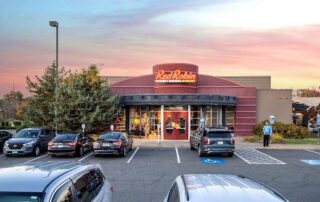
Newman Properties, a Massachusetts-based investment firm, has expanded its footprint into Connecticut with the $3.65 million acquisition of a 6,350‑square‑foot retail building in Enfield. Anchored by national restaurant chain Red Robin, the property offers the type of stable tenancy investors seek when entering new markets. The deal underscores growing confidence in anchored retail assets and provides a valuable real-world example for real estate professionals studying market analysis, investment strategy, and portfolio expansion.
JPMorgan now expects national home prices to flatten in 2026, but the Sunbelt is telling a very different story. Florida home values are down 5.1%, Texas is down 2.4%, and analysts warn that years of rapid building are finally catching up to the region. As demand stabilizes and inventory swells, real estate professionals — especially in Florida — face a market full of challenges, opportunities, and critical timing decisions.
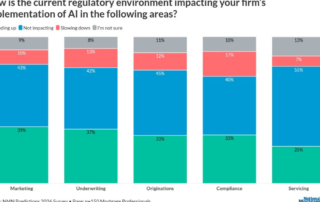
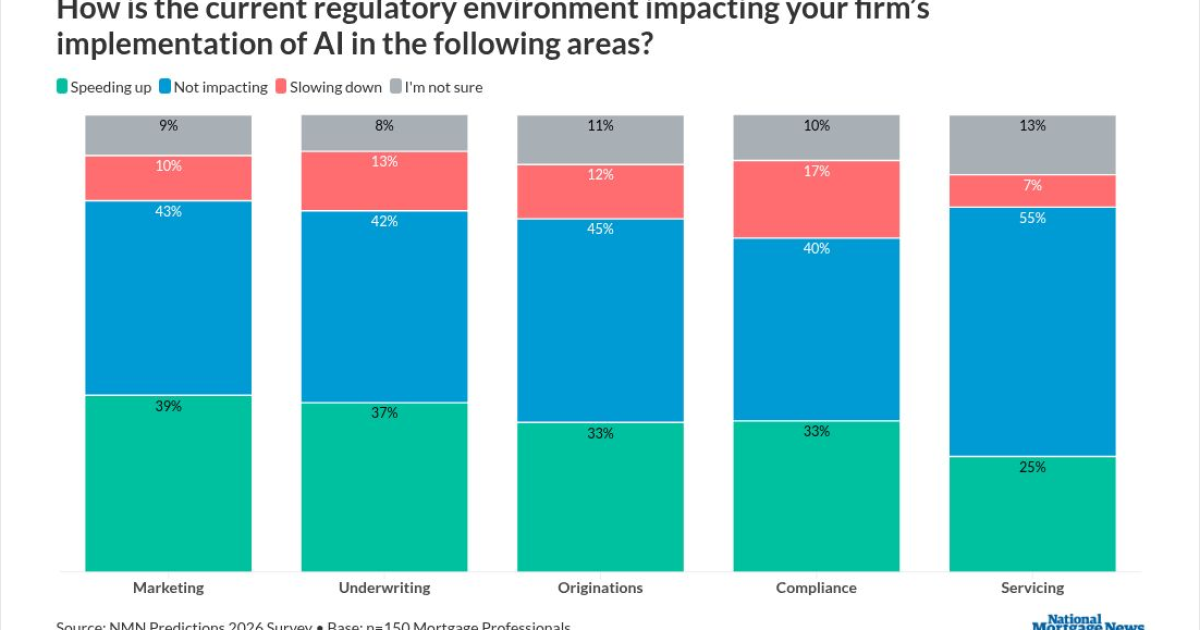
Artificial intelligence is finally stepping into the mortgage underwriting spotlight, with 57% of mortgage professionals predicting it will drive the most transformative industry shift in 2026. Thanks to major advancements in language models and workflow automation, AI is now capable of navigating the messy, document-heavy realities that have long slowed underwriting. From faster preapprovals to improved credit analysis and real‑time income verification, AI is streamlining processes while allowing underwriters to focus on true risk management. As regulatory winds shift and grassroots pressure builds within lending teams, the industry is entering a pivotal era where AI‑powered underwriting becomes not just an advantage — but an expectation.
Portland’s top 20 office towers have lost an unprecedented 70% of their value since 2019—plunging from $3 billion to under $1 billion—triggering tax revenue shortfalls, budget crises, and a surge in appeals as the city grapples with its biggest commercial real estate reset in modern history.
South Florida’s luxury real estate market just raised the bar again — this time with a $1 million virtual reality system that lets buyers walk through Dolce & Gabbana’s upcoming Miami tower long before construction wraps. Real estate master’s students were given an immersive look inside the project, discovering how VR is transforming high‑end development, influencing buyer psychology, and shaping the future skills today’s professionals need.
Long Island’s commercial real estate scene is kicking off 2026 with a surge of activity—industrial leases in Medford, neighborhood retail trades in Bohemia, Pizza Hut’s new DELCO expansion in Centereach, mixed‑use acquisitions in Melville, and major investor interest in bank‑leased and franchise-backed properties. From warehouses to restaurant rebrands, these deals highlight a region evolving fast and offering fresh opportunities for agents, investors, and professionals looking to stay ahead in the market.