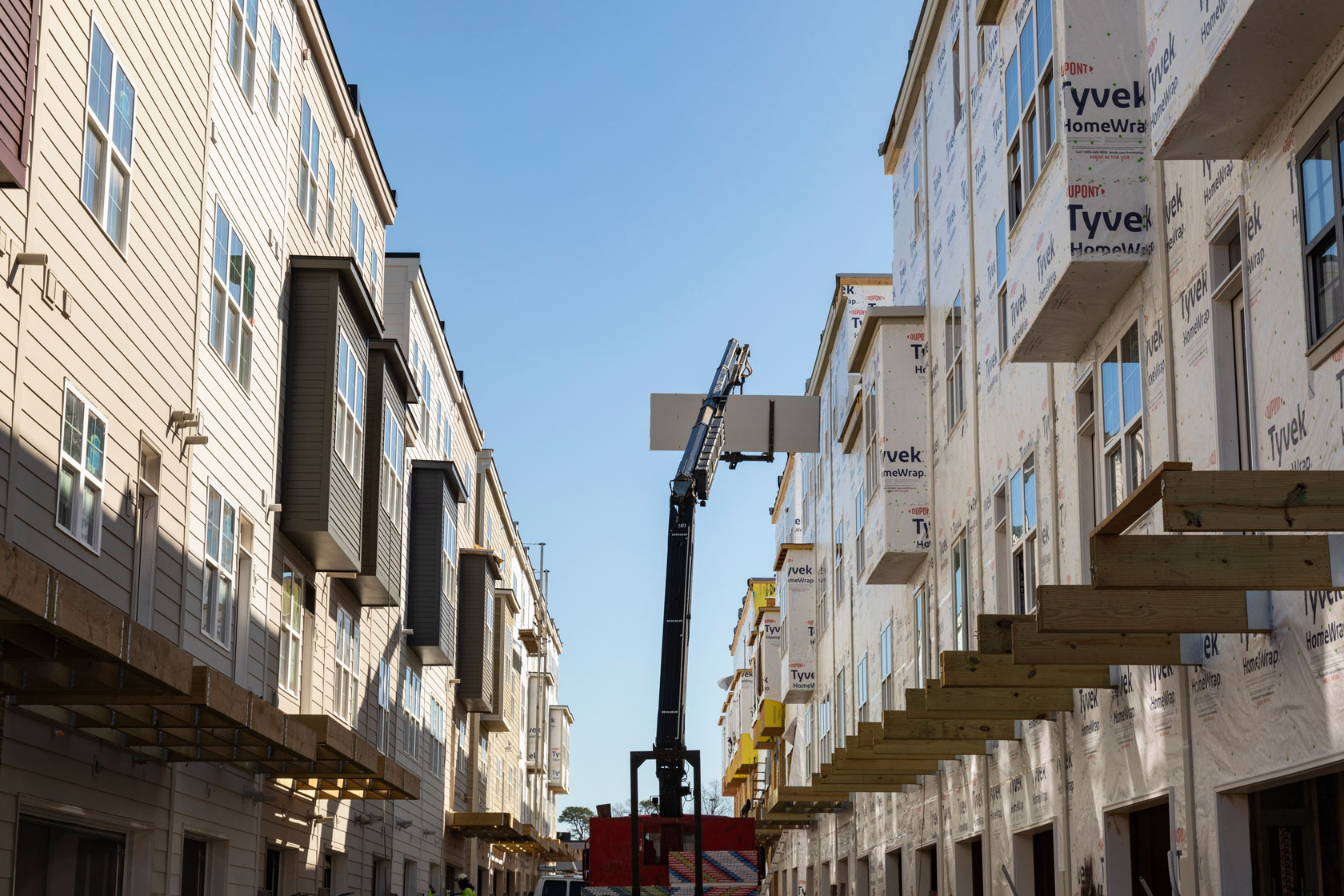
In a city where the notion of a “100% affordable project” without public funding once seemed a contradiction, Los Angeles is witnessing an unprecedented transformation. Thanks to an executive order signed by Mayor Karen Bass, the city is now approving these projects by the hundreds, reshaping the landscape of affordable housing.
The executive order, enacted in December 2022, has led to plans for more than 13,770 affordable units, a figure nearly matching the combined total of the previous three years. This policy has not only accelerated the approval process but has also opened the doors for private developers, traditionally focused on luxury housing, to venture into affordable housing.
Developers like Andrew Slocum and Terry Harris are now spearheading projects like the proposed seven-story building on West Court Street. These projects, once deemed financially unfeasible without subsidies, are now viable due to the streamlined processes and incentives provided by the executive order.
However, this rapid development has sparked political debates and legal challenges. Two lawsuits and ongoing discussions in the city council highlight the contentious nature of transforming a mayoral decree into a permanent policy. The executive order, while expediting affordable housing, has also raised questions about its long-term sustainability and impact on existing neighborhoods.
Los Angeles Mayor Karen Bass speaks during the ninth Annual Conference of the African American Mayors Association. Photo by Rod Lamkey, CNP/Sipa USA via Reuters
A Shift in Housing Policy
The shift in policy has allowed developers to bypass traditional hurdles such as environmental impact studies and city council hearings. This expedited process, coupled with the absence of prevailing wage requirements, has made affordable housing projects financially attractive to profit-driven developers.
Yet, the affordability of these projects remains a topic of debate. While they cater to individuals earning under $100,000, the rent for a studio can still reach $1,800, a far cry from the lower rates offered by subsidized housing projects.
The Road Ahead
As Los Angeles navigates this new terrain, the city council is considering a permanent ordinance to solidify the executive order’s provisions. The outcome of this legislative process will determine the future of affordable housing in Los Angeles and whether the city can maintain this momentum without sacrificing community integrity.
For more insights on this evolving story, refer to the original article from CalMatters.
More Articles
Getting licensed or staying ahead in your career can be a journey—but it doesn’t have to be overwhelming. Grab your favorite coffee or tea, take a moment to relax, and browse through our articles. Whether you’re just starting out or renewing your expertise, we’ve got tips, insights, and advice to keep you moving forward. Here’s to your success—one sip and one step at a time!
In the aftermath of Hurricane Helene, homeowners in North Carolina face the daunting challenge of securing compensation from insurance companies and the federal government. The process can be both infuriating and baffling, yet it is essential for recovery.
Nearly half of all rental households in America are cost-burdened, spending over 30% of their income on rent. This financial strain is even more pronounced in areas with strong employment growth, where housing costs are highest. The paradox is clear: regions with the most economic opportunities present the greatest barriers to affordable housing.
The potential for AI to affect wage structures and income inequality is another critical discussion point. While AI could enhance productivity, it might also concentrate benefits among a select group.
The advent of blockchain technology and decentralized finance (DeFi) is revolutionizing how we perceive and interact with financial markets. Central to this transformation is the concept of tokenization, a process that converts assets into digital tokens on a blockchain, enhancing security, accessibility, and liquidity.
The marriage of AI and blockchain promises to streamline transaction processing, significantly reducing paperwork and processing time. This newfound efficiency allows agents to handle more deals at their own pace, enhancing productivity and client satisfaction.